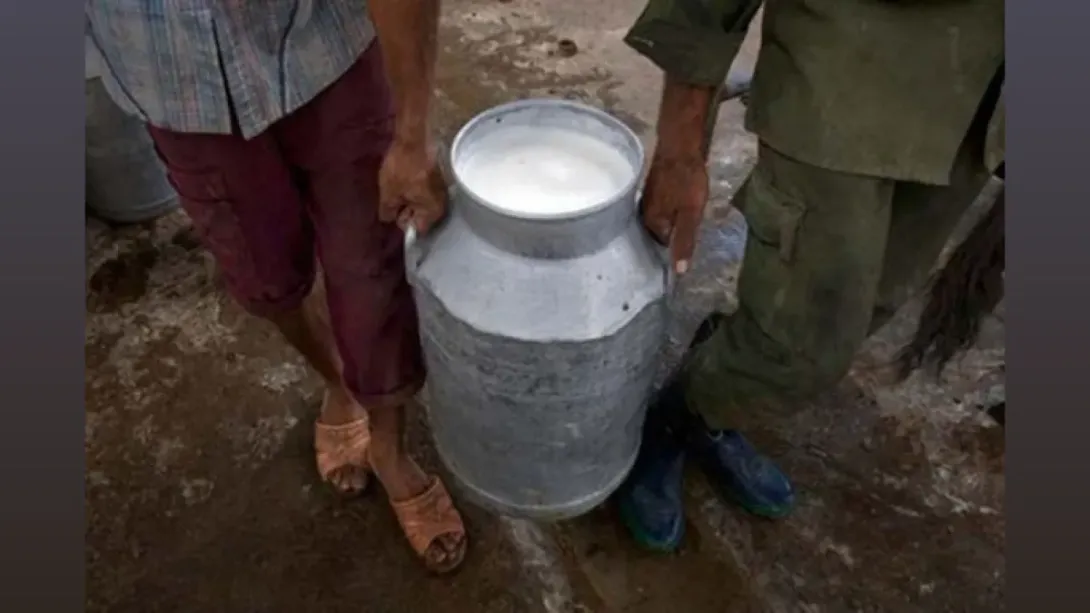
The Punjab government has announced a significant increase in milk procurement prices under its cooperative brand Milkfed Punjab, aiming to enhance farmer incomes and reinforce the rural economy. Effective April 1, 2026, the revised pricing structure raises rates by Rs 10 to Rs 15 per kilogram of fat. The decision reflects a strategic policy shift to support dairy farmers amid rising input costs and evolving agricultural challenges. By strengthening cooperative frameworks and ensuring better remuneration, the state seeks to drive sustainable growth in the dairy sector while improving livelihoods across rural communities.
Policy Shift to Empower Dairy Farmers
In a decisive move to support the agricultural backbone of the state, the government of Punjab has revised milk procurement prices for farmers associated with Milkfed Punjab. The updated pricing mechanism, which came into effect at the beginning of the 2026 fiscal year, increases payments by Rs 10 to Rs 15 per kilogram of fat content.
This adjustment is not merely a routine revision but a targeted intervention designed to address the economic pressures faced by dairy farmers. Rising costs of cattle feed, veterinary care, and transportation have eroded profit margins in recent years, making such policy support critical for sustaining production levels.
By recalibrating procurement prices, the government is signaling its commitment to ensuring that dairy farming remains a viable and profitable enterprise, particularly for small and marginal farmers who form the majority of the sector.
Strengthening the Cooperative Dairy Model
The decision underscores the continued relevance of cooperative institutions like Milkfed Punjab in India’s rural economy. These organizations serve as crucial intermediaries, linking farmers directly to markets while ensuring fair pricing and timely payments.
The cooperative model has historically played a transformative role in India’s dairy sector, fostering collective bargaining power and reducing dependency on private intermediaries. By increasing procurement rates within this framework, the state government is reinforcing a system that promotes equitable growth and financial stability.
Moreover, enhanced procurement prices are expected to improve milk collection volumes, strengthen supply chains, and enable cooperatives to scale operations more efficiently. This, in turn, could lead to better product diversification and value addition in the dairy industry.
Economic Implications for Rural Punjab
The dairy sector is a vital pillar of Punjab’s rural economy, contributing significantly to household incomes and employment generation. The price revision is expected to have a multiplier effect, boosting rural purchasing power and stimulating local economic activity.
Higher incomes for dairy farmers can translate into increased spending on agricultural inputs, education, healthcare, and consumer goods. This ripple effect strengthens rural demand, which is a key driver of economic growth in agrarian states.
Additionally, the move aligns with broader policy objectives aimed at diversifying income sources for farmers. With traditional crop farming facing challenges such as fluctuating market prices and climate variability, dairy farming offers a relatively stable and consistent revenue stream.
Balancing Fiscal Responsibility and Farmer Welfare
While the increase in procurement prices is a welcome relief for farmers, it also raises questions about fiscal sustainability and pricing dynamics within the dairy value chain. Cooperative bodies will need to balance higher procurement costs with competitive pricing for consumers.
However, policymakers appear to be adopting a calibrated approach—prioritizing farmer welfare while maintaining the operational efficiency of cooperative institutions. The emphasis is on creating a sustainable ecosystem where both producers and consumers benefit in the long term.
This strategy reflects a broader trend in agricultural policymaking, where governments are increasingly focusing on income support mechanisms rather than solely relying on production incentives.
Strategic Vision for the Dairy Sector
The leadership of Chief Minister Bhagwant Singh Mann has positioned the dairy sector as a key driver of rural prosperity. The latest pricing decision is part of a larger vision to modernize agriculture, promote allied activities, and ensure inclusive economic growth.
Investments in infrastructure, cold chain logistics, and processing capabilities are expected to complement this policy initiative. By strengthening the entire value chain, the state aims to enhance productivity, reduce wastage, and improve market access for farmers.
Furthermore, the focus on cooperative structures ensures that the benefits of growth are distributed equitably, preventing the concentration of gains among a few large players.
Conclusion: A Timely Intervention with Long-Term Impact
The upward revision of milk procurement prices marks a significant step toward reinforcing the economic resilience of dairy farmers in Punjab. By addressing immediate income concerns while strengthening institutional frameworks, the government has laid the groundwork for sustainable growth in the sector.
As global and domestic agricultural landscapes continue to evolve, such proactive measures will be essential in safeguarding farmer livelihoods and ensuring food security. The success of this initiative will ultimately depend on its implementation and the ability of stakeholders to adapt to changing market conditions.
In the broader context, the move highlights the importance of policy-driven support in transforming traditional sectors into engines of economic growth and social stability.
Comments