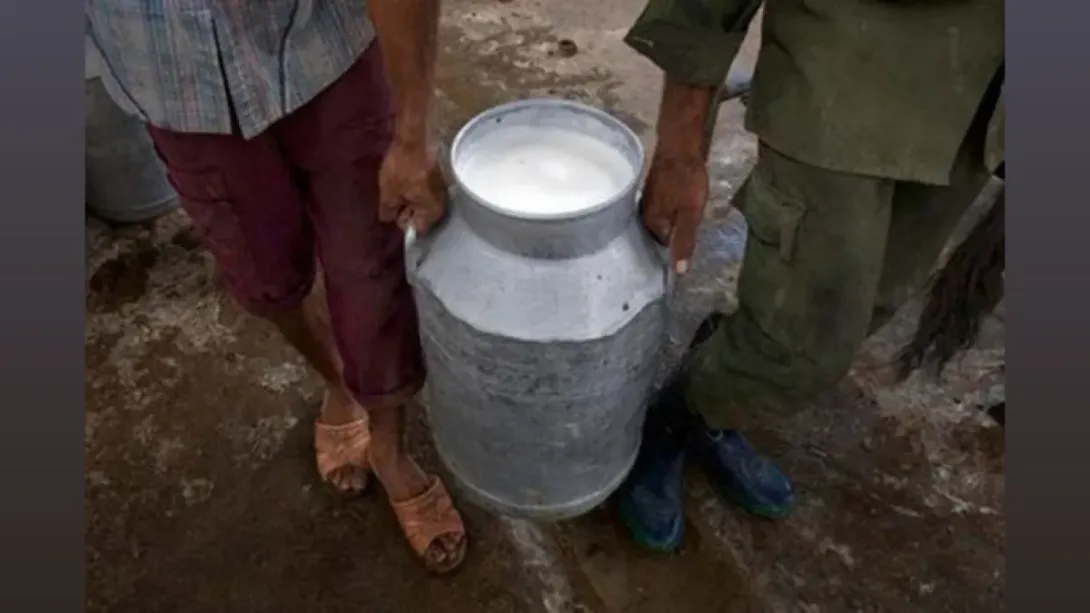
The government of Punjab has approved a significant increase in milk procurement prices under its cooperative brand Milkfed Punjab (Verka), effective April 1, 2026. The revision, ranging between Rs 10 and Rs 15 per kilogram of fat, is aimed at improving farmer remuneration and reinforcing the state’s rural economy. Led by Chief Minister Bhagwant Singh Mann, the move reflects a broader policy focus on strengthening cooperative institutions and stabilizing dairy sector incomes amid rising input costs. The decision is expected to boost liquidity for farmers while enhancing the long-term sustainability of Punjab’s dairy ecosystem.
Policy Shift to Enhance Farmer Remuneration
In a strategic move to support the agricultural economy, the Punjab government has revised milk procurement prices for farmers associated with Milkfed Punjab, popularly known for its Verka brand.
The revised pricing structure introduces an increase of Rs 10 to Rs 15 per kilogram of fat, marking a meaningful upward adjustment in farmer payouts. The new rates came into effect at the start of the financial year on April 1, 2026.
Officials indicated that the revision is designed to ensure fair compensation for dairy farmers, many of whom have been grappling with rising feed costs, inflationary pressures, and fluctuating market demand.
Strengthening the Cooperative Dairy Model
The policy underscores the state’s commitment to strengthening its cooperative dairy infrastructure, a cornerstone of rural economic stability in Punjab.
Milkfed Punjab plays a pivotal role in aggregating milk from thousands of small and marginal farmers, processing it, and distributing it under a unified brand. By enhancing procurement prices, the government aims to reinforce this cooperative framework, ensuring that benefits are equitably distributed across the value chain.
The move also aligns with broader efforts to maintain the competitiveness of cooperative dairies against private sector players, which have increasingly expanded their footprint in the dairy procurement space.
Economic Implications for Rural Households
The increase in procurement prices is expected to have immediate and tangible benefits for rural households. Dairy farming, often considered a supplementary income source, plays a critical role in providing steady cash flow for farmers, particularly in regions with smaller landholdings.
By raising procurement rates, the government is effectively injecting additional liquidity into rural economies. This, in turn, can stimulate local consumption, support allied industries such as feed and veterinary services, and contribute to overall economic resilience.
From a macroeconomic perspective, the policy may also help stabilize milk supply by incentivizing higher production and reducing the risk of supply disruptions.
Leadership and Policy Direction
The decision has been implemented under the leadership of Chief Minister Bhagwant Singh Mann, whose administration has emphasized farmer welfare and rural development as key policy priorities.
In recent years, state governments across India have faced increasing pressure to balance fiscal discipline with the need to support agricultural communities. By opting for targeted interventions such as procurement price revisions, the Punjab government is attempting to strike this balance while addressing immediate income concerns.
Balancing Costs and Consumer Impact
While the increase in procurement prices is a positive development for farmers, it may have downstream implications for consumers. Higher procurement costs could potentially translate into marginal increases in retail milk prices, depending on how cooperatives manage their cost structures.
However, policymakers appear to be prioritizing farmer welfare and sector sustainability over short-term price stability. In the long run, a financially viable dairy sector is essential for ensuring consistent supply and maintaining quality standards.
Outlook: Toward a Resilient Dairy Ecosystem
The revision of milk procurement prices represents more than just a financial adjustment; it signals a broader commitment to building a resilient and inclusive dairy ecosystem.
By supporting farmers, strengthening cooperative institutions, and addressing structural challenges, the Punjab government is laying the groundwork for sustainable growth in the dairy sector.
As the policy takes effect, its success will depend on effective implementation, continued investment in infrastructure, and the ability to adapt to evolving market dynamics. If executed well, the initiative could serve as a model for other states seeking to enhance farmer incomes while maintaining the integrity of cooperative systems.
Comments