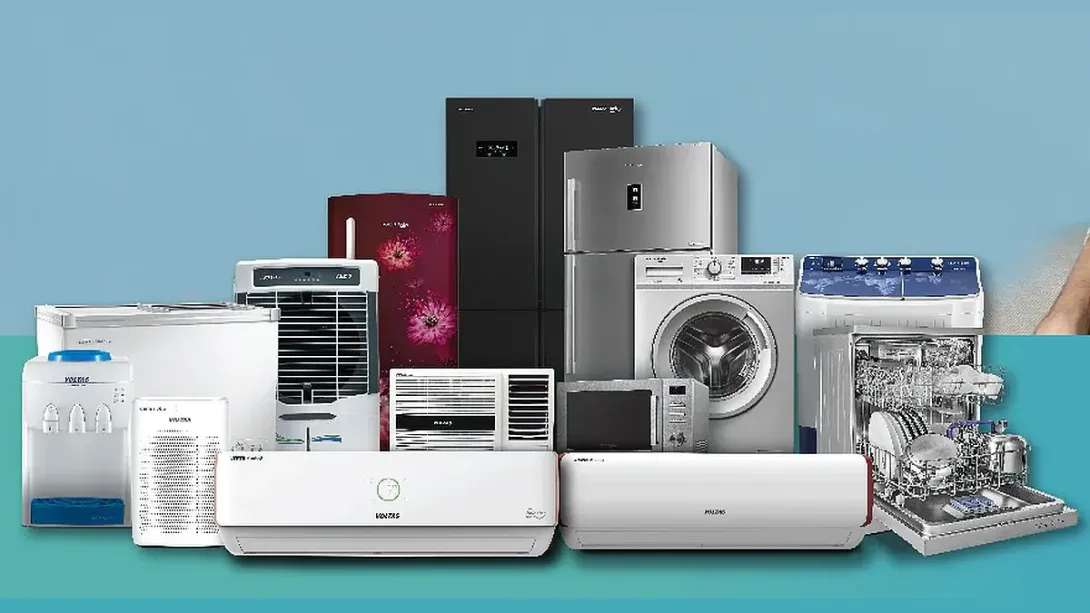
India’s rapidly expanding air conditioner market has entered a new phase of competition as LG Electronics India reported sales exceeding 1 million units in the first quarter of 2026, positioning itself as a category leader. The announcement, however, has been contested by rival Voltas, which maintains its dominance in the residential segment.
With the overall market estimated at 12–14 million units annually, the dispute underscores intensifying competition amid rising demand driven by climate trends and consumer upgrading. The development highlights shifting market dynamics, aggressive brand positioning, and the growing strategic importance of India’s cooling appliances sector.
A Milestone Performance in a High-Growth Market
LG Electronics India has reported a significant commercial milestone, surpassing 1 million air conditioner units sold during the first quarter of 2026. The company described the performance as its fastest start to a summer season in India, signaling strong consumer demand and effective market execution.
This achievement reflects a combination of favorable seasonal conditions, rising disposable incomes, and increased adoption of energy-efficient cooling solutions. The company’s aggressive retail expansion and product diversification strategy appear to have played a crucial role in accelerating sales momentum.
The announcement also comes at a time when India’s consumer durables market is witnessing structural growth, with air conditioners emerging as one of the fastest-growing segments due to rising urbanization and climate variability.
Leadership Claims Trigger Industry Debate
Despite the impressive sales figures, the claim of market leadership has been met with resistance from Voltas, a long-standing dominant player in India’s room air conditioning segment.
Voltas has asserted that it continues to hold the leading position in the residential AC market, citing sustained consumer trust, innovation, and service excellence as its key strengths. While the company refrained from offering detailed counter-data due to its financial reporting cycle, its stance highlights the competitive intensity in the sector.
The divergence in claims reflects the complexity of defining “market leadership,” which can vary based on metrics such as quarterly sales, annual volumes, revenue share, or segment-specific dominance.
Market Size and Competitive Landscape
India’s air conditioning market is currently estimated to range between 12 million and 14 million units annually, making it one of the most promising growth markets globally. Penetration levels remain relatively low compared to developed economies, leaving substantial headroom for expansion.
This environment has attracted aggressive investments from both domestic and global players, each seeking to capture market share through pricing strategies, technological differentiation, and distribution reach.
The competition is no longer limited to volume leadership but extends to areas such as energy efficiency, smart connectivity, and after-sales service—factors increasingly influencing consumer preferences.
Drivers Behind the Surge in Demand
Several macroeconomic and environmental factors have contributed to the surge in air conditioner sales:
Rising Temperatures: Increasing frequency of heatwaves has accelerated the need for cooling solutions across urban and semi-urban regions.
Income Growth: Expanding middle-class incomes are enabling discretionary spending on home appliances.
Financing Options: Easy availability of consumer credit and EMI schemes has lowered entry barriers for first-time buyers.
Energy Efficiency Awareness: Consumers are increasingly opting for inverter ACs and energy-saving models, driving replacement demand.
These structural drivers are expected to sustain growth in the medium to long term, making the segment a strategic focus area for manufacturers.
Strategic Positioning and Brand Competition
LG Electronics India’s strong quarterly performance underscores its strategic emphasis on innovation, premium positioning, and extensive distribution networks. The company’s ability to scale rapidly at the beginning of the summer season suggests effective inventory planning and supply chain management.
On the other hand, Voltas continues to leverage its deep-rooted brand equity and wide service network to maintain customer loyalty. Its consistent messaging around reliability and efficiency has helped it retain a strong foothold in the residential segment.
The rivalry between the two companies is emblematic of a broader shift in India’s consumer durables sector, where global brands and domestic champions are competing intensely for market dominance.
Implications for Investors and Industry Stakeholders
From an investment perspective, the evolving dynamics in the air conditioning market present both opportunities and challenges. Rapid demand growth offers revenue expansion potential, but heightened competition may exert pressure on margins.
Companies that can balance scale with innovation and cost efficiency are likely to emerge as long-term winners. Additionally, the increasing focus on sustainability and regulatory standards related to energy consumption could reshape product strategies across the industry.
For policymakers, the growth of the AC market also raises important considerations around energy demand and infrastructure planning, particularly during peak summer months.
Conclusion
The latest developments in India’s air conditioning market highlight a sector in transition—characterized by strong demand, intensifying competition, and evolving consumer expectations. While LG Electronics India’s milestone of crossing 1 million units in quarterly sales underscores its growing influence, the leadership debate with Voltas reflects the nuanced and competitive nature of the market.
As the industry continues to expand, the definition of leadership will increasingly depend on a combination of scale, innovation, and customer engagement. For now, the race for dominance in India’s cooling market remains wide open, promising further strategic maneuvering in the months ahead.
Comments