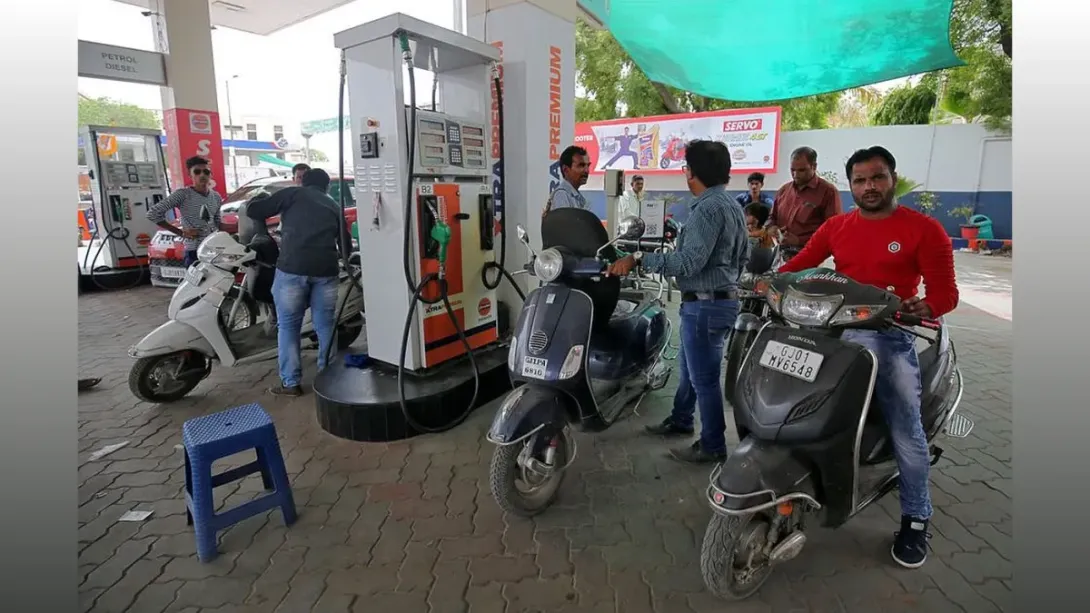
India witnessed a fresh increase in retail fuel prices on Friday after oil marketing companies raised petrol and diesel rates by Rs 3 per litre each, reflecting rising pressure from elevated global energy prices. The move marks another significant adjustment in domestic fuel costs as international crude oil markets remain volatile amid geopolitical tensions and supply-side uncertainties. Analysts believe the price revision could have broader implications for inflation, transportation costs, and household spending patterns. While oil companies have absorbed portions of previous cost increases, the latest revision indicates mounting pressure on fuel retailers to align domestic pricing more closely with global market conditions and refining economics.
Oil Companies Raise Retail Fuel Prices
India’s state-run oil marketing companies on Friday increased petrol and diesel prices by Rs 3 per litre each, passing on part of the recent surge in international energy prices to consumers.
The price revision comes amid continued volatility in global crude oil markets, where geopolitical developments, production concerns, and supply disruptions have pushed energy costs higher in recent weeks.
The latest increase is expected to impact transportation expenses, logistics costs, and overall consumer inflation, particularly in sectors heavily dependent on fuel-intensive operations.
Retail fuel prices in India are closely linked to international crude oil benchmarks, currency movements, refining margins, and domestic taxation structures.
The adjustment reflects growing pressure on oil companies to balance commercial sustainability with market-linked pricing mechanisms.
Global Energy Markets Driving Domestic Adjustments
The latest fuel price hike underscores the strong connection between India’s domestic fuel economy and international crude oil trends.
Global oil prices have remained elevated due to a combination of geopolitical instability, supply-side concerns, and fluctuating production decisions by major energy-producing nations.
India, which imports a substantial portion of its crude oil requirements, remains highly sensitive to international energy market fluctuations.
As crude oil prices rise globally, domestic oil marketing companies face increasing financial strain if retail prices remain unchanged for extended periods.
Industry experts note that oil companies often absorb part of global price increases temporarily, but sustained volatility eventually necessitates retail adjustments to preserve profitability and operational stability.
The latest revision appears to reflect that balancing act.
Inflationary Concerns Return to Focus
The increase in petrol and diesel prices is likely to revive concerns surrounding inflationary pressures within the broader economy.
Fuel prices directly influence transportation and logistics costs, which in turn affect prices across multiple sectors including food, manufacturing, retail, and consumer goods.
Economists warn that sustained fuel inflation can gradually transmit into core inflation through higher freight charges and increased operational expenses for businesses.
For households, rising fuel costs can also reduce discretionary spending capacity, particularly in urban areas where private vehicle usage remains high.
Market observers believe policymakers may closely monitor the inflationary impact of the latest fuel revision in the coming weeks.
The development arrives at a time when central banks globally continue maintaining caution regarding inflation management and interest rate stability.
Oil Marketing Companies Facing Margin Pressure
India’s major oil marketing companies have been navigating a difficult pricing environment shaped by fluctuating crude oil costs and competitive market dynamics.
When global oil prices rise sharply, fuel retailers often face pressure between protecting consumers from sudden price shocks and maintaining financial sustainability.
Prolonged under-recoveries can weaken balance sheets, strain cash flows, and reduce operational flexibility for oil companies.
The latest Rs 3 per litre increase suggests that rising international energy costs have significantly narrowed room for continued price absorption.
Analysts note that retail fuel pricing decisions are often influenced by a combination of commercial considerations, fiscal implications, and broader economic conditions.
The extent of future adjustments may depend largely on how international crude prices behave over the coming weeks.
Transportation and Logistics Sector Likely to Feel Impact
The transportation and logistics industry is expected to be among the most immediately affected sectors following the fuel price increase.
Diesel remains the primary fuel for commercial freight movement across India, making logistics operators highly sensitive to price fluctuations.
Higher transportation costs could gradually increase operating expenses for supply chains, manufacturing businesses, e-commerce companies, and agricultural distribution networks.
Industry participants may attempt to pass part of the increased cost burden onto consumers through freight rate adjustments.
Airlines, delivery companies, public transportation operators, and ride-hailing services may also experience secondary cost pressures if elevated fuel prices persist.
Economists believe the broader economic impact will depend on both the duration and magnitude of future energy price movements.
Consumer Spending Patterns May Shift
Rising fuel prices often influence household financial behavior, particularly among middle-income consumers.
Higher petrol prices can increase commuting costs, reduce discretionary spending, and alter consumption patterns in urban markets.
Consumers may also become more price-sensitive across non-essential spending categories as transportation costs rise.
In previous periods of elevated fuel inflation, sectors such as automobiles, retail, hospitality, and travel have experienced indirect demand moderation.
However, economists point out that the broader impact on consumer sentiment will depend on wage growth, employment conditions, and overall inflation trends.
At present, India’s domestic consumption environment remains relatively resilient despite external economic uncertainties.
Government and Policy Implications
Fuel pricing remains politically and economically sensitive in India due to its direct effect on inflation and household budgets.
Governments often face pressure to balance revenue considerations with consumer affordability during periods of elevated crude oil prices.
Excise duties and state-level taxes constitute a significant portion of retail fuel prices, making taxation policy an important component of fuel pricing dynamics.
While no immediate tax adjustments have been announced alongside the latest price revision, analysts believe policymakers may continue monitoring global oil trends closely.
Any prolonged surge in crude prices could potentially trigger broader discussions around taxation, subsidies, or fiscal measures aimed at containing inflationary pressures.
Energy Market Uncertainty Continues
The outlook for fuel prices remains closely tied to developments in global energy markets, which continue to face considerable uncertainty.
Geopolitical tensions, production decisions by oil-exporting nations, currency fluctuations, and global economic growth trends will all influence future crude oil price movements.
For India, maintaining energy security while managing inflationary risks remains a critical economic priority.
Analysts believe consumers and businesses may need to prepare for continued volatility in fuel prices if international energy markets remain unstable.
The latest increase in petrol and diesel rates serves as another reminder of how deeply interconnected global commodity markets have become with domestic economic conditions and consumer spending patterns.
Comments