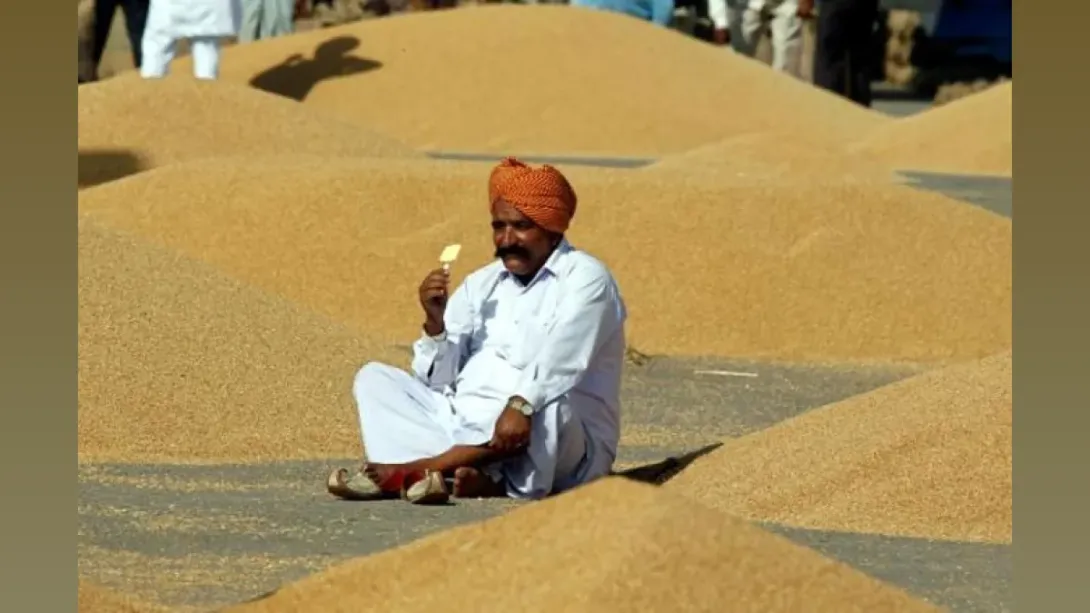
Haryana is reinforcing its agricultural procurement system with a renewed emphasis on transparency, efficiency, and farmer welfare. Chief Minister Nayab Singh Saini has reaffirmed the government’s commitment to purchasing every grain produced by farmers while introducing structural reforms to streamline operations. A new three-tier crop verification mechanism aims to reduce discrepancies and enhance accountability in procurement processes. The initiative comes at a time when ensuring timely payments and fair market access remains critical for rural economic stability. By modernizing mandi operations and improving oversight, the state seeks to build trust and strengthen its agricultural value chain.
Government Reaffirms Commitment to Farmers
Nayab Singh Saini has reiterated the state’s commitment to ensuring that farmers receive full support during the wheat procurement season. During a field visit to a grain market in Kurukshetra district, the chief minister engaged directly with farmers to assess operational challenges related to crop transportation, sales, and payment processes.
The outreach reflects a governance approach focused on real-time feedback and responsive policymaking, particularly in a sector that remains central to the state’s economy.
Enhancing Transparency Through Systemic Reforms
A key highlight of the initiative is the introduction of a three-tier crop verification system. This mechanism is designed to ensure that the quantity and type of produce arriving at mandis align with officially registered crop data.
By implementing layered verification, the government aims to minimize discrepancies, prevent misuse, and improve the overall integrity of procurement operations. Such measures are critical in maintaining fairness and accountability within large-scale agricultural transactions.
Streamlining Procurement Operations
The state has taken steps to simplify the procurement process, making it more accessible and efficient for farmers. Efforts include improving mandi infrastructure, optimizing logistics, and ensuring that procurement centers operate smoothly during peak harvest periods.
Timely payments remain a central focus, as delays can significantly impact farmers’ financial stability. By addressing operational bottlenecks, the government aims to create a more farmer-friendly ecosystem that supports seamless transactions.
Economic Significance of Wheat Procurement
Wheat procurement plays a vital role in Haryana’s rural economy, contributing significantly to farmers’ incomes and the state’s agricultural output. Efficient procurement systems not only ensure fair prices for farmers but also support national food security objectives.
The state’s proactive approach reflects an understanding of the broader economic implications of agricultural policies, particularly in maintaining supply chain stability and supporting rural demand.
Policy Implications and Long-Term Impact
The introduction of verification mechanisms and process improvements signals a shift toward data-driven governance in agriculture. By leveraging structured systems and oversight, the state is laying the groundwork for more efficient and transparent agricultural markets.
These reforms could serve as a model for other states seeking to modernize procurement frameworks while safeguarding farmer interests.
Conclusion: Building Trust Through Accountability
Haryana’s efforts to strengthen its wheat procurement system highlight the importance of transparency and efficiency in agricultural governance. By combining policy reforms with on-ground engagement, the state is working to build trust among farmers and ensure equitable outcomes.
As the procurement season progresses, the effectiveness of these measures will be closely observed. If successfully implemented, they could significantly enhance the credibility and performance of the agricultural procurement system in the long term.
Comments