Honda Cars India is preparing an aggressive long-term expansion strategy for the Indian automobile market, with plans to introduce more than 10 new vehicles by 2030, including electric vehicles, compact SUVs, and midsize offerings. The announcement reflects the growing importance of India within Honda’s global growth roadmap as the company seeks to strengthen its position in one of the world’s fastest-growing automotive markets. Alongside launching updated hybrid models and premium SUVs, the Japanese automaker is also preparing to debut its first fully electric vehicle in India, signaling a broader transition toward electrification and technology-driven mobility solutions.
Honda Deepens Long-Term Commitment to India
Japanese automobile giant Honda is significantly expanding its product and investment strategy in India as competition intensifies across the country’s rapidly evolving passenger vehicle market.
Senior company executives confirmed that Honda plans to introduce more than 10 new models in India by 2030, covering multiple vehicle categories including:
Electric vehicles
Compact SUVs
Midsize vehicles
Hybrid models
The company has identified India as one of its three most strategically important global growth markets, highlighting the increasing significance of the country within the international automotive industry.
India Emerging as Global Automotive Growth Engine
India’s automobile market has become a critical battleground for global automakers seeking long-term expansion opportunities.
Driven by:
Rising middle-class incomes
Rapid urbanization
Expanding infrastructure
Growing vehicle ownership aspirations
India is increasingly viewed as one of the world’s most promising automotive growth destinations.
Industry analysts believe future demand growth will be particularly strong in:
Compact SUVs
Hybrid vehicles
Affordable electric cars
Technology-enabled mobility segments
Honda’s aggressive product pipeline reflects broader industry expectations that India will remain central to global automotive growth over the coming decade.
Electric Vehicle Push Gains Momentum
A major component of Honda’s India strategy involves accelerating its electric vehicle presence.
The company confirmed plans to launch its first fully electric vehicle in India during the second half of the current fiscal year, marking an important milestone in its domestic electrification journey.
The EV rollout comes as automakers worldwide race to adapt to:
Stricter environmental regulations
Consumer demand for cleaner mobility
Government electrification initiatives
Advances in battery technology
India’s EV ecosystem is still in a relatively early stage compared to major global markets, but momentum has accelerated rapidly in recent years.
Hybrid Technology Remains Key Transition Strategy
Alongside electric vehicles, Honda continues emphasizing hybrid technology as part of its transition strategy.
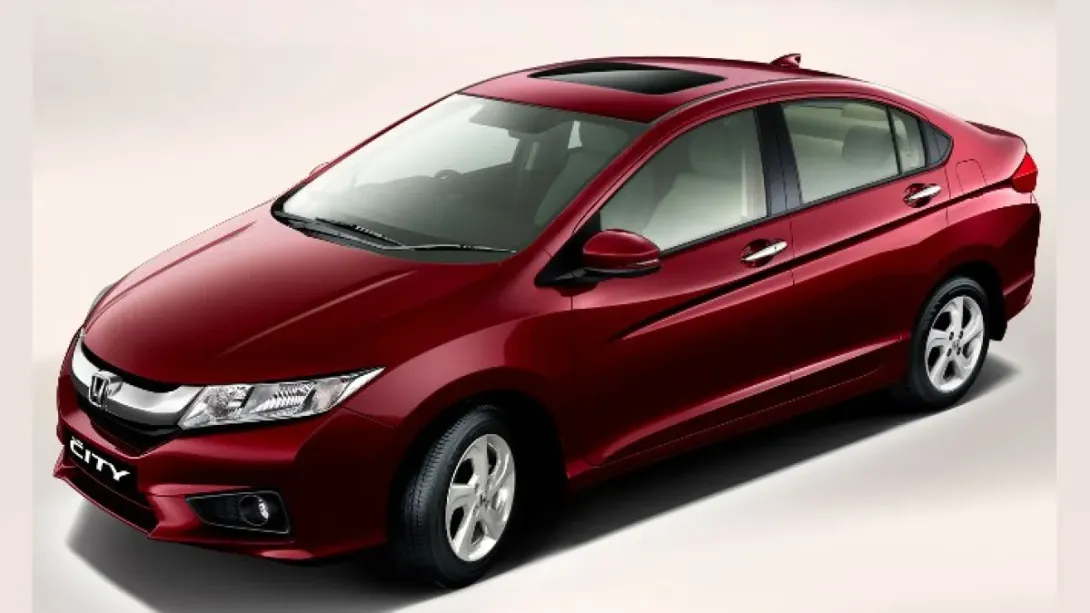
The company recently introduced a new version of its popular hybrid sedan:
Honda City
with introductory pricing beginning at approximately Rs. 11.99 lakh.
Hybrid vehicles are increasingly being positioned as a practical intermediate solution between conventional internal combustion engines and fully electric mobility.
Industry observers note that hybrids may remain particularly relevant in markets like India where:
EV charging infrastructure is still developing
Long-distance travel remains common
Consumers remain price-sensitive
SUV Segment Becoming Core Growth Driver
Honda also unveiled its premium SUV:
Honda ZR-V
as part of its effort to strengthen presence in India’s highly competitive SUV market.
SUVs have become the fastest-growing segment within India’s passenger vehicle industry as consumer preferences shift toward:
Larger vehicles
Higher seating positions
Enhanced road presence
Multi-purpose family usage
Virtually every major automaker operating in India is aggressively expanding SUV offerings to capture market share.
Competition Intensifies in Indian Auto Industry
Honda’s expansion plans come amid intensifying competition from both domestic and international automobile manufacturers.
Companies are increasingly competing through:
Electrification strategies
Advanced connectivity features
Safety technologies
Aggressive pricing models
Expanded product portfolios
The Indian market has become especially competitive in compact and midsize vehicle categories, where consumer demand remains strongest.
Analysts believe product innovation and localization strategies will become increasingly important for long-term success.
Localization and Product Diversification Critical
Honda executives indicated that future launches will focus heavily on categories tailored specifically to Indian consumer demand.
This includes expansion in:
Sub-4-meter vehicles
Midsize models
Urban mobility solutions
Automakers operating in India are increasingly prioritizing localized development strategies to better align with:
Regional consumer preferences
Regulatory requirements
Pricing expectations
Infrastructure realities
The shift reflects how India is no longer viewed merely as an export or secondary market, but as a strategically independent automotive ecosystem.
India’s EV Market Still Faces Challenges
Despite accelerating momentum, India’s electric vehicle market continues facing structural challenges.
These include:
Limited charging infrastructure
Battery supply chain constraints
High upfront vehicle costs
Consumer range anxiety
However, policymakers and automakers alike are investing heavily in overcoming these barriers through infrastructure expansion and domestic manufacturing initiatives.
Industry experts expect EV adoption to grow steadily over the next decade, particularly in urban markets.
Global Automakers Reshaping Future Mobility Strategies
Honda’s expansion strategy mirrors a broader transformation occurring throughout the global automotive industry.
Manufacturers are increasingly repositioning themselves around:
Electrification
Software-driven vehicles
Connected mobility systems
Sustainable transportation technologies
Traditional automakers now face pressure not only from legacy competitors, but also from emerging EV-focused companies and technology-driven mobility startups.
Outlook for Honda in India
Honda’s long-term India roadmap signals renewed confidence in the company’s ability to compete more aggressively within one of the world’s most dynamic automotive markets.
Success will likely depend on the company’s ability to:
Accelerate product launches
Expand EV adoption
Strengthen dealership networks
Localize production efficiently
Adapt quickly to changing consumer trends
Ultimately, Honda’s planned expansion reflects a larger transformation reshaping the global automobile industry, where India is rapidly emerging as a central hub for future mobility innovation, consumer demand growth, and next-generation vehicle development.
Comments