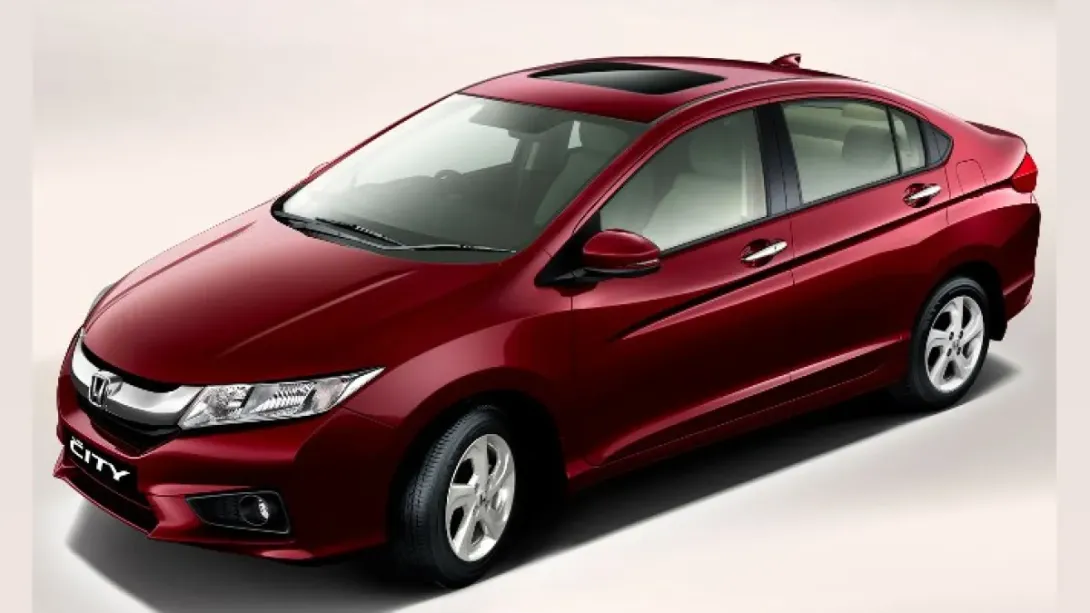
Honda Motor Co. has unveiled an ambitious long-term strategy to rebuild and expand its passenger vehicle business in India, with market-specific models scheduled to launch from 2028 onward. Global CEO Toshihiro Mibe identified India as one of the company’s highest-priority markets alongside Japan and North America, underscoring the country’s growing importance within Honda’s global growth roadmap. The automaker also plans to leverage its dominant two-wheeler presence to transition existing customers toward passenger vehicles. The strategy reflects Honda’s broader effort to strengthen competitiveness in emerging mobility markets while adapting to evolving consumer demand and intensifying industry transformation.
Honda Elevates India Within Global Growth Strategy
Honda Motor Co. has announced a significant strategic shift aimed at revitalizing its passenger vehicle business in India, signaling renewed confidence in one of the world’s fastest-growing automotive markets.
Speaking during a press briefing in Tokyo, Global CEO Toshihiro Mibe confirmed that the company will begin launching India-focused automobile models from 2028 as part of a broader long-term transformation strategy.
Honda has now formally categorized India alongside Japan and North America as a priority market for future growth, highlighting the country’s rising importance within the company’s international business framework.
The move comes as global automakers increasingly compete for dominance in high-growth emerging economies where expanding middle-class consumption and urbanization continue driving vehicle demand.
India-Specific Models to Drive Market Relevance
The company’s decision to introduce models specifically designed for Indian consumers marks a notable strategic evolution for Honda’s automotive operations in the country.
Rather than relying primarily on globally standardized products, the automaker intends to develop vehicles aligned more closely with Indian consumer preferences, driving conditions, affordability expectations, and mobility trends.
Industry analysts view this localization-focused approach as increasingly essential within India’s highly competitive automobile market, where pricing sensitivity and feature customization play major roles in purchasing decisions.
By tailoring products specifically for Indian buyers, Honda aims to strengthen its relevance against domestic and international competitors that have already invested heavily in localized manufacturing and market adaptation.
The initiative is also expected to improve operational efficiency and deepen the company’s long-term engagement with India’s automotive ecosystem.
Two-Wheeler Dominance Seen as Strategic Advantage
A central element of Honda’s future India strategy involves leveraging its extensive two-wheeler customer base to expand its passenger vehicle business.
Honda Motorcycle & Scooter India remains one of the country’s most influential motorcycle and scooter manufacturers, providing Honda with deep market penetration and strong brand familiarity across urban and semi-urban regions.
According to Toshihiro Mibe, the company plans to use this existing customer ecosystem to encourage upgrades from two-wheelers to passenger cars as consumer purchasing power rises over time.
This strategy reflects broader demographic and economic trends in India, where increasing household incomes and expanding financing accessibility are gradually accelerating mobility upgrades among younger consumers.
Analysts believe Honda’s cross-segment brand recognition could provide a meaningful competitive advantage in customer retention and lifecycle expansion.
Rebuilding Passenger Vehicle Business
Honda’s renewed India focus also comes amid efforts to strengthen its passenger vehicle business after facing challenges in recent years.
While the company continues to maintain a respected brand presence, competition within India’s automotive sector has intensified considerably due to aggressive expansion by both domestic manufacturers and global rivals.
The Indian market has evolved rapidly, with consumers increasingly prioritizing advanced technology, fuel efficiency, safety features, connectivity, and electric mobility options.
As a result, automakers are being forced to accelerate innovation cycles and adapt product strategies more aggressively than in previous decades.
Honda’s India-specific roadmap suggests the company is seeking a more targeted and flexible operating model capable of responding to changing consumer expectations.
India’s Automotive Market Gains Global Importance
The decision to prioritize India reflects the country’s growing strategic importance within the global automotive industry.
India has emerged as one of the few major automobile markets expected to deliver sustained long-term growth due to favorable demographics, expanding infrastructure investment, rising urbanization, and increasing personal mobility demand.
Global manufacturers are increasingly viewing India not only as a sales destination but also as a critical manufacturing, research, and export hub.
Government initiatives promoting domestic manufacturing and electric mobility are further accelerating investment interest from international automakers seeking long-term positioning in the region.
Industry experts believe India could become one of the defining battlegrounds for future automotive leadership over the next decade.
Resource Allocation to Support Expansion
Honda indicated that strategic resource allocation will play an important role in executing its long-term growth ambitions across priority markets.
The company plans to direct investments toward regions with strong future demand potential, particularly India, North America, and Japan.
This could involve expanded manufacturing capabilities, localized supply chains, product development investments, and enhanced dealership networks designed to improve competitiveness and customer reach.
Automotive analysts note that efficient capital allocation has become increasingly critical as global manufacturers simultaneously navigate electrification, digital transformation, sustainability requirements, and rising research costs.
For Honda, balancing long-term innovation investment with regional market adaptation will likely become a key determinant of future success.
Industry Transformation Reshaping Global Competition
Honda’s announcement arrives during a period of profound structural change across the global automotive sector.
Electrification, software integration, autonomous technologies, and evolving mobility preferences are forcing traditional automakers to reconsider long-established business models. Companies are now competing not only on engineering quality but also on digital ecosystems, customer experience, and localized innovation.
Emerging markets such as India are becoming particularly important because they offer both scale and long-term consumption growth.
Industry observers believe companies capable of successfully aligning global technology strategies with local consumer expectations will be best positioned for sustained expansion in the coming decade.
Honda Signals Long-Term Commitment to India
By identifying India as a strategic priority market and committing to localized product development, Honda Motor Co. is signaling a stronger long-term commitment to the country’s automotive future.
The success of the strategy will ultimately depend on how effectively the company can translate brand strength, operational scale, and consumer trust into sustained market competitiveness.
For India’s automotive industry, Honda’s renewed focus reinforces the country’s growing significance within the global mobility economy.
For consumers, the strategy could result in a broader range of products designed specifically around Indian driving realities and evolving mobility aspirations beginning later this decade.
Comments