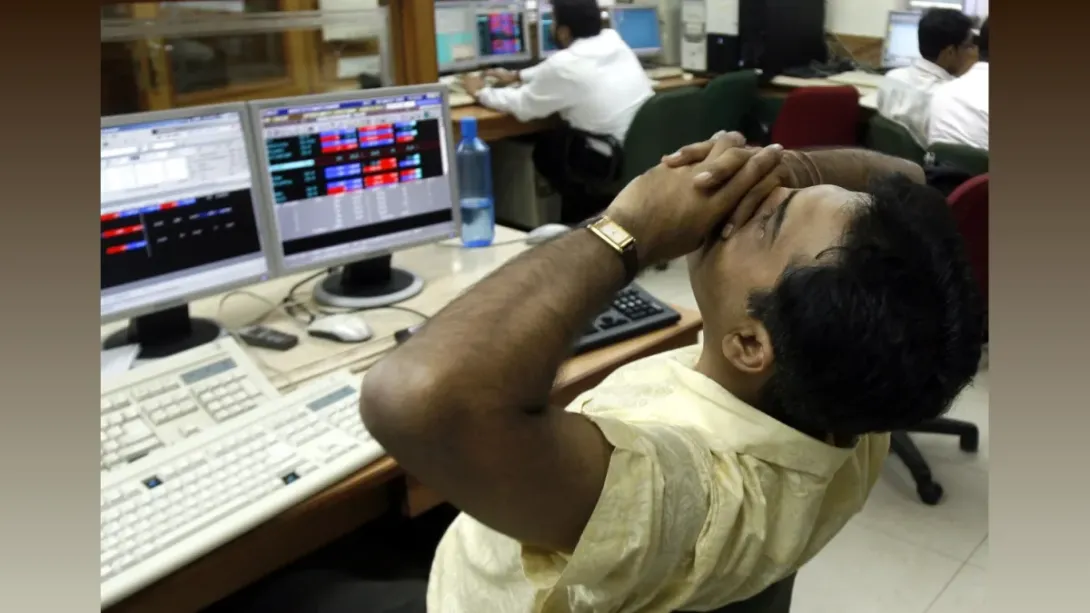
Indian equity markets recovered strongly as benchmark indices closed higher following renewed buying interest in banking and blue-chip stocks amid improving global market sentiment. The rebound was supported by optimism surrounding potential progress in US-Iran diplomatic discussions, easing concerns over geopolitical tensions and energy market volatility. The benchmark Sensex advanced nearly 232 points, while the Nifty posted moderate gains led by private banking, financial services, and select consumer-focused companies. Analysts believe the recovery reflects cautious investor confidence returning to equities after recent volatility, although market participants continue closely monitoring global economic conditions, interest rate expectations, crude oil prices, and geopolitical developments affecting capital flows and investor risk appetite.
Markets Recover After Volatile Trading Session
Indian stock markets staged a notable recovery as benchmark indices ended the session in positive territory following strong buying in banking and financial stocks.
The 30-share:
BSE Sensex
rose approximately 232 points to close at 75,415.35 after witnessing sharp intraday fluctuations.
Meanwhile, the:
Nifty 50
advanced nearly 65 points to settle above the 23,700 mark.
During intraday trade, markets displayed significant volatility before investor sentiment strengthened later in the session amid improving global cues.
Banking Stocks Lead Market Recovery
The rebound was largely driven by renewed investor interest in private banking and financial sector shares, which emerged as the session’s strongest performers.
Major gainers included:
Axis Bank
ICICI Bank
HDFC Bank
Kotak Mahindra Bank
Analysts noted that banking stocks continue attracting institutional interest due to expectations of:
Strong credit growth
Stable asset quality
Resilient profitability
Expanding retail lending activity
Financial stocks remain among the most influential sectors within Indian benchmark indices, often determining broader market direction.
Positive Global Signals Improve Investor Confidence
Global market sentiment improved after reports suggested possible progress in diplomatic discussions involving the United States and Iran.
Investors interpreted the developments as potentially reducing geopolitical tensions that have recently pressured:
Crude oil markets
Global trade sentiment
Inflation expectations
Risk assets worldwide
Energy market stability remains particularly important for India because the country is one of the world’s largest crude oil importers.
Lower geopolitical uncertainty generally supports:
Emerging market equities
Currency stability
Foreign institutional investment flows
Consumer and Retail Stocks Also Advance
Apart from banking shares, several consumer-focused and retail-oriented companies contributed to the market recovery.
Notable gainers included:
Trent
Asian Paints
Hindustan Unilever
Bajaj Finance
The performance of consumer-linked stocks suggests investors remain optimistic regarding domestic consumption trends despite ongoing global economic uncertainty.
Select Defensive Stocks Under Pressure
While broader sentiment improved, some defensive and pharmaceutical shares underperformed during the session.
Among the laggards were:
Sun Pharmaceutical Industries
ITC
Power Grid Corporation of India
Bharat Electronics
Market strategists noted that sector rotation remains active as investors reposition portfolios in response to changing global and domestic conditions.
Volatility Continues to Define Market Environment
Despite the positive close, market volatility remains elevated.
The Sensex experienced significant intraday swings, reflecting persistent uncertainty surrounding:
Global interest rate trajectories
Inflation pressures
Commodity prices
Geopolitical developments
Foreign investment flows
Analysts believe investors are balancing optimism regarding India’s domestic growth outlook with caution surrounding external macroeconomic risks.
Banking Sector Seen as Key Market Anchor
India’s banking sector continues serving as a central pillar of market stability and investor confidence.
Strong balance sheets, improving credit demand, and relatively healthy asset quality have helped major lenders outperform several other sectors in recent quarters.
Financial institutions are also benefiting from:
Expanding digital banking adoption
Retail loan growth
Infrastructure financing demand
Economic formalization trends
As a result, banking stocks remain closely watched indicators of broader economic sentiment.
Foreign Investors Monitoring Global Developments
Foreign institutional investors continue playing a critical role in shaping Indian market momentum.
Emerging markets like India are particularly sensitive to changes involving:
US monetary policy
Global bond yields
Currency movements
Geopolitical risk perception
Positive global signals often encourage greater capital inflows into equity markets perceived as offering stronger growth potential.
India’s relatively resilient economic outlook continues attracting long-term investor attention despite short-term market volatility.
Domestic Economic Fundamentals Remain Supportive
Market analysts believe India’s broader economic fundamentals continue providing support for equities.
Key growth drivers include:
Strong domestic consumption
Infrastructure spending
Manufacturing expansion
Digital economy growth
Financial sector resilience
While global uncertainties remain significant, many investors continue viewing India as one of the strongest long-term growth stories among major economies.
Outlook for Indian Equities
Going forward, market direction will likely depend on a combination of domestic and international factors.
Investors will closely monitor:
Global crude oil prices
Central bank policy decisions
Corporate earnings performance
Inflation data
Geopolitical developments
Analysts expect volatility to persist in the near term, although strong domestic liquidity and economic momentum may continue supporting broader market resilience.
Ultimately, the latest market rebound underscores how interconnected global diplomacy, energy markets, banking sector strength, and investor sentiment have become within modern financial systems, where both domestic fundamentals and international developments increasingly shape equity market direction.
Comments