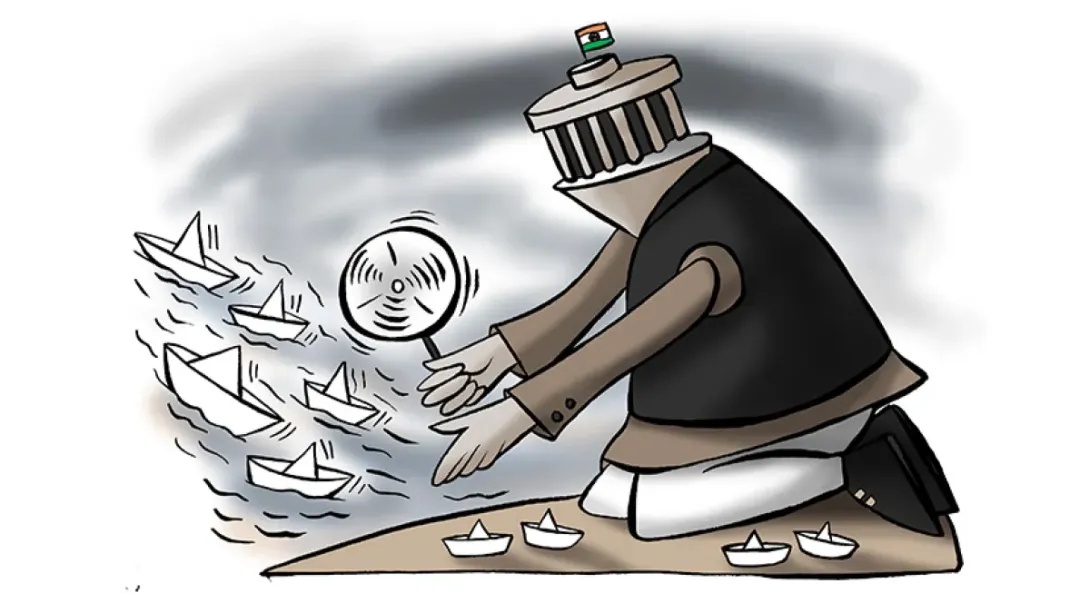
India’s export sector has demonstrated notable resilience in FY26, maintaining growth momentum despite mounting global uncertainties, including geopolitical conflicts and trade disruptions. A senior government official indicated that the country is likely to end the fiscal year with positive export growth, supported by sustained demand and diversified trade strategies. Challenges such as evolving US tariff dynamics and ongoing international conflicts have tested global trade flows, yet India’s merchandise exports have remained stable. With official data expected mid-April, the performance underscores the economy’s adaptability and highlights the strategic importance of exports in driving growth amid a volatile global environment.
Resilience Amid Global Economic Uncertainty
India’s export sector appears poised to close FY26 on a positive trajectory, defying a challenging global backdrop marked by geopolitical tensions and trade disruptions. According to a senior official from the Ministry of Commerce, the country’s merchandise exports have sustained steady momentum through the fiscal year, despite external shocks.
Global trade has faced significant headwinds, including ongoing conflicts in Eastern Europe and West Asia, along with evolving tariff regimes in major economies. Yet, India’s export performance suggests a degree of structural resilience that has enabled it to withstand these pressures.
Geopolitical Risks and Trade Disruptions
The international trade environment over the past year has been characterized by heightened uncertainty. Persistent conflict in Ukraine and escalating tensions involving Iran have disrupted supply chains, influenced commodity prices, and created volatility in global markets.
In addition, protectionist measures, including tariff adjustments by key trading partners such as the United States, have added complexity to export dynamics. These developments typically dampen global demand and restrict market access, posing challenges for export-driven economies.
Despite these constraints, India’s export sector has managed to maintain stability, indicating effective risk management and diversification strategies.
Key Drivers Behind Export Stability
Several factors have contributed to India’s ability to sustain export growth. A diversified export basket has played a crucial role, reducing dependence on any single market or product category. This diversification has allowed exporters to adapt quickly to changing demand patterns across regions.
Moreover, government initiatives aimed at boosting trade competitiveness have provided additional support. Policy measures focused on improving logistics, reducing compliance burdens, and enhancing market access have strengthened the overall export ecosystem.
Currency dynamics and competitive pricing have also contributed to maintaining demand in global markets, particularly in price-sensitive sectors.
Awaiting Official Data Release
The official export and import figures for March, along with the full FY26 data, are scheduled for release on April 15. These numbers will provide a clearer picture of the sector’s performance and offer insights into underlying trends.
Preliminary indications, however, suggest that India will register positive growth in merchandise exports for the fiscal year. This outcome would mark a significant achievement given the challenging global environment.
Strategic Importance of Exports for Economic Growth
Exports play a vital role in India’s economic framework, contributing to foreign exchange earnings, employment generation, and industrial growth. Sustained export performance is particularly critical in times of domestic demand fluctuations, as it provides an additional growth engine.
The ability to maintain export momentum amid global uncertainties reflects the increasing maturity of India’s trade ecosystem. It also underscores the importance of continued policy support to enhance competitiveness and expand market reach.
Challenges and Risks Ahead
While the current outlook is positive, several risks remain. Continued geopolitical tensions could further disrupt global trade flows and impact demand. Fluctuations in commodity prices, particularly crude oil, may also influence export competitiveness.
Additionally, evolving trade policies in major economies could create new barriers or alter market dynamics. Exporters will need to remain agile and responsive to these changes to sustain growth.
Outlook: Cautious Optimism for FY27
Looking ahead, the outlook for India’s export sector remains cautiously optimistic. Structural strengths, including a diversified export base and supportive policy environment, are likely to underpin future growth.
However, the global economic landscape will continue to play a decisive role. Maintaining momentum will require a combination of strategic policy interventions, innovation, and market diversification.
Conclusion: A Testament to Economic Resilience
India’s export performance in FY26 stands as a testament to its economic resilience and adaptability. Despite navigating a complex and uncertain global environment, the sector has managed to sustain growth and maintain momentum.
As the official data release approaches, the focus will shift to understanding the finer details of this performance and identifying opportunities for further expansion. For now, the outlook remains encouraging, reflecting the strength and potential of India’s export economy in an increasingly interconnected world.
Comments