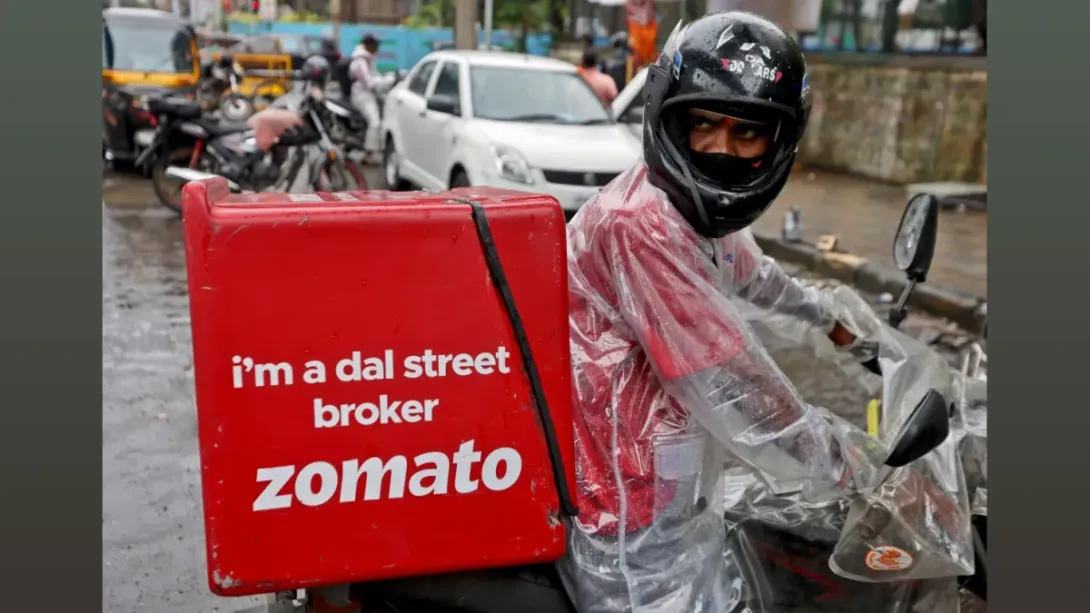
India’s rapidly expanding gig economy is confronting a critical challenge as extreme heatwaves expose delivery workers to significant health risks. With temperatures exceeding 40°C across several regions, millions of workers supporting e-commerce and quick-commerce platforms are operating under hazardous conditions. Limited access to drinking water, rest facilities, and protective infrastructure has amplified concerns around worker welfare. The situation highlights structural gaps in labor protections within the gig economy, raising questions about sustainability, operational efficiency, and corporate responsibility in one of the country’s fastest-growing digital sectors.
Heatwaves Expose Vulnerabilities in Gig Workforce
The ongoing heatwave sweeping across India has intensified scrutiny of working conditions in the gig economy. Delivery personnel, who form the operational backbone of e-commerce and quick-commerce platforms, are among the most exposed to extreme weather.
Navigating dense urban traffic on two-wheelers, these workers face prolonged exposure to high temperatures, significantly increasing the risk of dehydration, heat exhaustion, and heatstroke.
Algorithmic Pressures and Operational Demands
Gig workers operate within tightly structured delivery timelines governed by algorithm-driven systems. These systems prioritize speed and efficiency, often leaving little room for breaks or recovery during peak heat hours.
The pressure to meet delivery targets can compel workers to continue operating despite adverse conditions, raising concerns about the balance between productivity and worker safety.
Infrastructure Gaps: Water and Rest Access
A critical issue highlighted by the current situation is the lack of basic infrastructure support. Many delivery workers report limited access to clean drinking water, shaded resting areas, or cooling facilities during their routes.
This absence of essential amenities not only exacerbates health risks but also points to broader systemic shortcomings in the gig economy’s operational framework.
Economic Implications for the Sector
From a business perspective, worker well-being directly impacts efficiency and service quality. Heat-related health issues can lead to reduced productivity, higher attrition rates, and potential disruptions in delivery networks.
Companies may face increased operational costs if they are required to implement safety measures, but such investments are increasingly seen as necessary to ensure long-term sustainability.
Regulatory and Corporate Responsibility Debate
The situation has reignited discussions around labor protections for gig workers. Unlike traditional employees, gig workers often lack formal safeguards, making them particularly vulnerable during extreme conditions.
There is growing pressure on both regulators and corporations to establish guidelines that ensure safe working environments, especially during climate-related events.
Outlook: Balancing Growth with Worker Welfare
As India’s digital commerce sector continues to expand, addressing worker welfare will be critical to maintaining operational resilience. Companies may need to rethink delivery models, incorporate heat mitigation strategies, and invest in worker support systems.
The current heatwave serves as a stark reminder that sustainable growth in the gig economy must be accompanied by robust protections for the workforce that powers it.
Comments