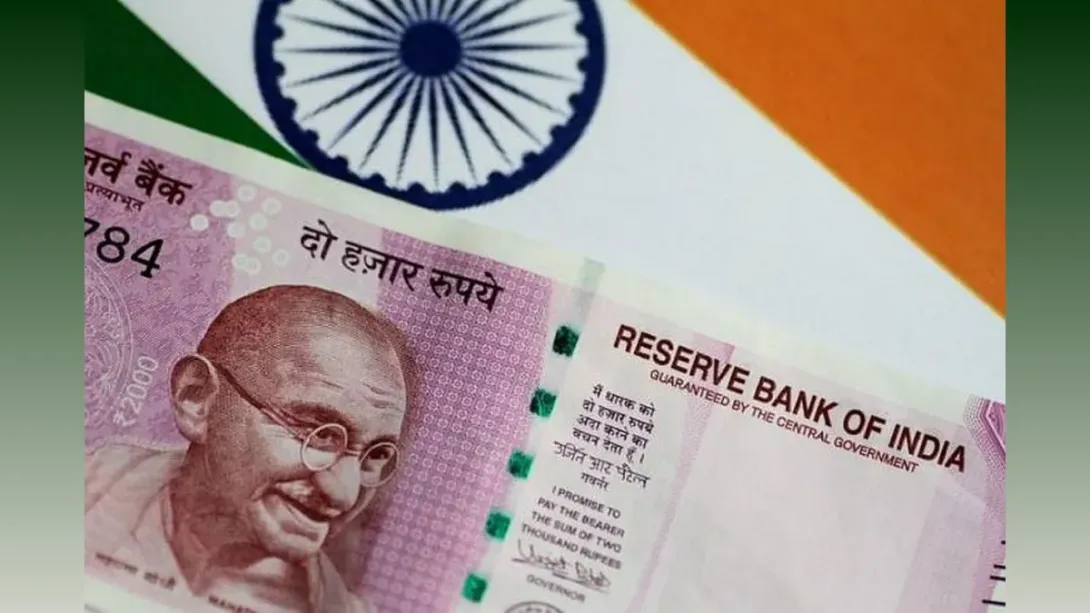
India’s gold import bill surged to a record USD 71.98 billion (approximately Rs 6 lakh crore) in FY26, driven primarily by elevated global prices despite a decline in import volumes. According to official data, imports rose 24 percent year-on-year, even as physical quantities fell to 721.03 tonnes. Meanwhile, silver imports witnessed an even sharper rise, jumping nearly 150 percent in value to USD 12 billion (around Rs 1 lakh crore), alongside a 42 percent increase in volume. The divergence between value and volume underscores the impact of price inflation and shifting demand dynamics in India’s precious metals market.
Record Import Bill Driven by Price Surge
India’s gold imports reached an unprecedented USD 71.98 billion in FY26, marking a 24 percent increase from USD 58 billion in the previous fiscal year. The sharp rise comes despite a noticeable decline in physical imports, highlighting the dominant role of global price movements in shaping the country’s import bill.
Over the past few years, the gold import trajectory has shown a consistent upward trend—from USD 35 billion in FY23 to USD 45.54 billion in FY24, and further to USD 58 billion in FY25—culminating in the current record level.
Volume Decline Signals Demand Adjustment
In contrast to the surge in value, gold import volumes declined by 4.76 percent to 721.03 tonnes, compared with 757.09 tonnes in FY25. This divergence suggests that while consumers and investors continue to purchase gold, higher prices are moderating physical demand.
Such trends are typical in commodity markets, where price sensitivity influences purchasing behavior. Consumers often adjust buying patterns, opting for lower quantities or delaying purchases during periods of elevated prices.
Silver Imports Witness Exceptional Growth
Silver imports presented a contrasting picture, with both value and volume recording significant increases. The import bill for silver rose approximately 150 percent to USD 12 billion, equivalent to around Rs 1 lakh crore.
In volume terms, imports climbed 42 percent to 7,334.96 tonnes in FY26. This surge indicates strong industrial and investment demand for silver, which is widely used in sectors such as electronics, solar energy, and manufacturing.
Macroeconomic Implications for India
The sharp rise in precious metal imports has important implications for India’s macroeconomic stability. As one of the world’s largest importers of gold, higher import bills can widen the current account deficit and exert pressure on the domestic currency.
However, strong domestic demand for gold also reflects cultural preferences and its role as a store of value, particularly during periods of economic uncertainty and inflationary pressures.
Price Dynamics and Global Influences
The increase in import value is closely tied to global price trends, driven by factors such as geopolitical tensions, central bank policies, and investor demand for safe-haven assets. Gold prices have remained elevated amid global uncertainty, prompting higher import costs even as volumes soften.
Silver, on the other hand, has benefited from both investment demand and its growing relevance in green technologies, contributing to its sharp rise in imports.
Outlook: Balancing Demand and Economic Stability
Looking ahead, India’s gold and silver import trends will depend on global price movements, domestic demand cycles, and policy measures aimed at managing imports. Authorities may consider steps to moderate excessive inflows if they begin to significantly impact the trade balance.
For investors and consumers, the current environment underscores the importance of price sensitivity and diversification, as precious metals continue to play a dual role as both investment assets and industrial commodities.
Conclusion: A Complex Demand Landscape
The record surge in India’s gold import bill, coupled with robust growth in silver imports, highlights the complex interplay between price dynamics and consumer behavior. While high prices have tempered gold volumes, they have simultaneously inflated import values, reshaping the country’s trade profile.
As global uncertainties persist, precious metals are likely to remain central to India’s economic and financial narrative.
Comments