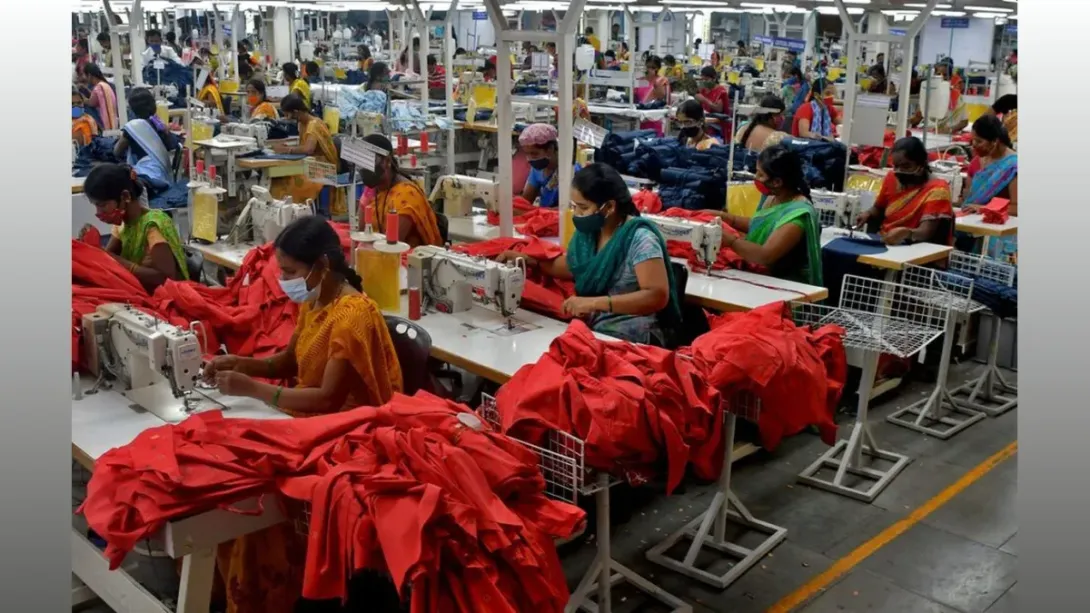
India’s textile and apparel market has witnessed remarkable expansion, growing from Rs 4.89 lakh crore in 2010 to Rs 14.95 lakh crore in 2024, reflecting a compound annual growth rate of 8.3 per cent. The surge has been driven by rising household consumption, urbanisation, and evolving consumer preferences. A significant shift toward man-made and blended fibres, which now account for over half of the market, highlights changing industry dynamics. Cotton, while still dominant, is gradually уступed by synthetic alternatives. The sector’s growth underscores its critical role in India’s economy, employment generation, and its evolving positioning in global textile value chains.
Market Expansion: A Decade of Sustained Growth
India’s textile sector has undergone a transformative expansion over the past decade, emerging as one of the fastest-growing segments within the country’s manufacturing landscape. The domestic market size has nearly tripled, rising from Rs 4.89 lakh crore in 2010 to Rs 14.95 lakh crore in 2024.
This growth trajectory, translating into a compound annual growth rate (CAGR) of 8.3 per cent, reflects both structural and cyclical drivers. Increasing disposable incomes, rapid urbanisation, and a growing middle class have significantly boosted household consumption of textiles and apparel.
The sector’s resilience is particularly noteworthy given global economic uncertainties and supply chain disruptions over the years.
Consumption Patterns: Household Demand at the Core
A key insight from recent industry assessments is the central role of household consumption in driving textile demand. The domestic market is largely shaped by consumer spending on clothing, home textiles, and lifestyle products.
Rising fashion consciousness, increased penetration of organised retail, and the growth of e-commerce platforms have further accelerated demand. Consumers are not only purchasing more but are also seeking greater variety, quality, and functionality in textile products.
This shift in consumption behavior has encouraged manufacturers to innovate and diversify their offerings.
Fibre Mix Transformation: Rise of Man-Made Materials
One of the most significant structural changes in the textile industry is the growing dominance of man-made fibres (MMF) and blended materials. These segments now account for approximately 52.2 per cent of the market.
The increasing adoption of synthetic and blended fibres can be attributed to their durability, cost-effectiveness, and versatility. These materials are widely used across categories, including sportswear, fast fashion, and technical textiles.
In contrast, cotton-based products contribute around 41.2 per cent, indicating a gradual shift away from traditional fibre dominance. While cotton continues to hold cultural and economic significance, its relative share is being challenged by modern alternatives.
Industry Implications: Competitiveness and Innovation
The evolving fibre composition has significant implications for the industry’s competitiveness. Manufacturers are increasingly investing in advanced technologies, sustainable production methods, and product innovation to cater to changing market demands.
The shift toward man-made fibres also aligns with global trends, where synthetic materials play a dominant role in textile production. For India, this transition presents an opportunity to enhance its export competitiveness and integrate more deeply into global supply chains.
However, it also necessitates strategic investments in infrastructure, research, and skill development to support the growing demand for advanced materials.
Policy and Growth Drivers
Government initiatives and policy support have played a crucial role in the sector’s growth. Efforts to promote domestic manufacturing, improve supply chain efficiency, and encourage investment have strengthened the industry’s foundation.
Additionally, the focus on technical textiles and value-added products is expected to drive future growth. As global demand for specialized textile applications increases, India is well-positioned to capitalize on these opportunities.
Outlook: Sustained Growth with Structural Shifts
Looking ahead, the Indian textile market is expected to maintain its growth momentum, supported by favorable demographics and rising consumption. However, the sector will continue to evolve, with increasing emphasis on innovation, sustainability, and diversification.
The transition toward man-made fibres and blended products is likely to accelerate, reshaping production and consumption patterns. Companies that adapt to these changes and invest in technology-driven solutions will be better positioned to capture emerging opportunities.
Conclusion
India’s textile industry stands at a pivotal juncture, marked by robust growth and significant structural transformation. The tripling of market size over the past decade underscores its economic importance and growth potential.
As consumer preferences evolve and global trends shift, the sector must continue to innovate and adapt. With the right mix of policy support, technological advancement, and strategic vision, India’s textile industry is poised to strengthen its position as a key player in the global market.
Comments