India’s wholesale price inflation continued its gradual upward trend in February 2026, reaching 2.13%, according to the latest government data. The increase marks the fourth consecutive monthly rise and was largely driven by higher prices in manufacturing, basic metals, textiles, food articles, and non-food commodities. Although vegetable prices declined slightly compared with the previous month, broader commodity cost pressures pushed the Wholesale Price Index (WPI) higher. The inflation rate rose from 1.81% in January but remained below the 2.45% recorded in February 2025. The latest figures highlight evolving supply-side pressures in India’s economy and signal important trends for producers, policymakers, and financial markets.
Wholesale Inflation Extends Its Upward Momentum
India’s wholesale price inflation rose to 2.13% in February 2026, marking the fourth consecutive month of increase in the Wholesale Price Index (WPI). The latest figure represents a rise from 1.81% recorded in January, indicating growing cost pressures within the production and manufacturing ecosystem.
However, despite the month-on-month increase, the current inflation level remains lower than 2.45% reported in February 2025, suggesting that wholesale price growth is still relatively moderate compared with the previous year.
Wholesale inflation serves as a key indicator of price changes at the producer level and often reflects early trends that may later influence retail inflation and consumer prices.
Manufacturing Sector Plays a Key Role
The increase in February’s wholesale inflation was largely attributed to rising prices across multiple industrial categories. According to the industry ministry, sectors such as manufacturing, basic metals, textiles, food articles, and non-food commodities recorded price increases that contributed to the overall rise in the index.
Manufactured goods form a substantial portion of the WPI basket, making them a critical driver of overall inflation trends. When production costs rise for raw materials and industrial inputs, manufacturers often face higher operating expenses, which can eventually translate into higher wholesale prices.
Industry observers note that fluctuations in global commodity prices and supply chain adjustments may have influenced price movements in several of these categories.
Mixed Trends in the Food Segment
Food prices also contributed to the upward movement in wholesale inflation during February. Several food articles recorded price increases, reflecting supply-side pressures and seasonal demand patterns within agricultural markets.
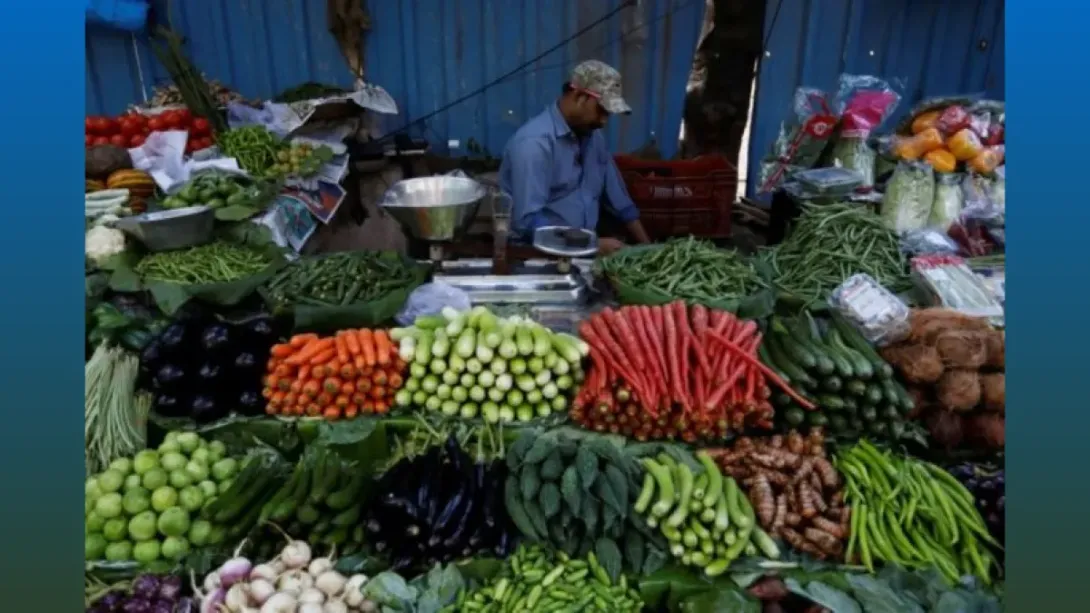
However, vegetable prices provided a modest counterbalance to the broader trend. Data indicates that vegetable prices declined on a month-on-month basis, helping to partially offset the increase in other food categories.
Food commodities remain a particularly sensitive component of inflation in India, as fluctuations in agricultural output, transportation costs, and weather conditions can quickly influence price dynamics across the supply chain.
Implications for Businesses and Economic Policy
Wholesale inflation trends are closely monitored by economists and policymakers because they offer insight into cost pressures faced by producers. Sustained increases in WPI inflation may eventually pass through to retail prices, affecting consumers and influencing monetary policy decisions.
For businesses, higher wholesale prices often lead to tighter margins unless companies adjust product pricing or improve efficiency. Industries that rely heavily on raw materials, such as metals and textiles, are particularly sensitive to changes in commodity costs.
At the same time, the relatively moderate inflation level suggests that cost pressures remain manageable for now, providing policymakers with room to carefully monitor economic conditions without immediate concerns of runaway inflation.
Outlook for the Coming Months
The trajectory of wholesale inflation in the coming months will depend on several factors, including global commodity price movements, domestic agricultural supply conditions, and overall industrial demand. Seasonal variations in food production and international market fluctuations in metals and energy could continue to influence price trends.
Economists expect inflation to remain relatively stable if supply chains remain efficient and commodity prices avoid significant volatility. However, persistent increases in manufacturing costs could gradually exert additional pressure on wholesale prices.
Conclusion
India’s wholesale inflation rate rising to 2.13% in February 2026 underscores a gradual increase in cost pressures across manufacturing and commodity sectors. While food and non-food articles contributed to the rise, the decline in vegetable prices offered limited relief within the broader inflation landscape.
As the economy continues to navigate global and domestic market dynamics, monitoring wholesale price trends will remain essential for policymakers, businesses, and investors seeking to understand the evolving trajectory of inflation and industrial costs in India.
Comments