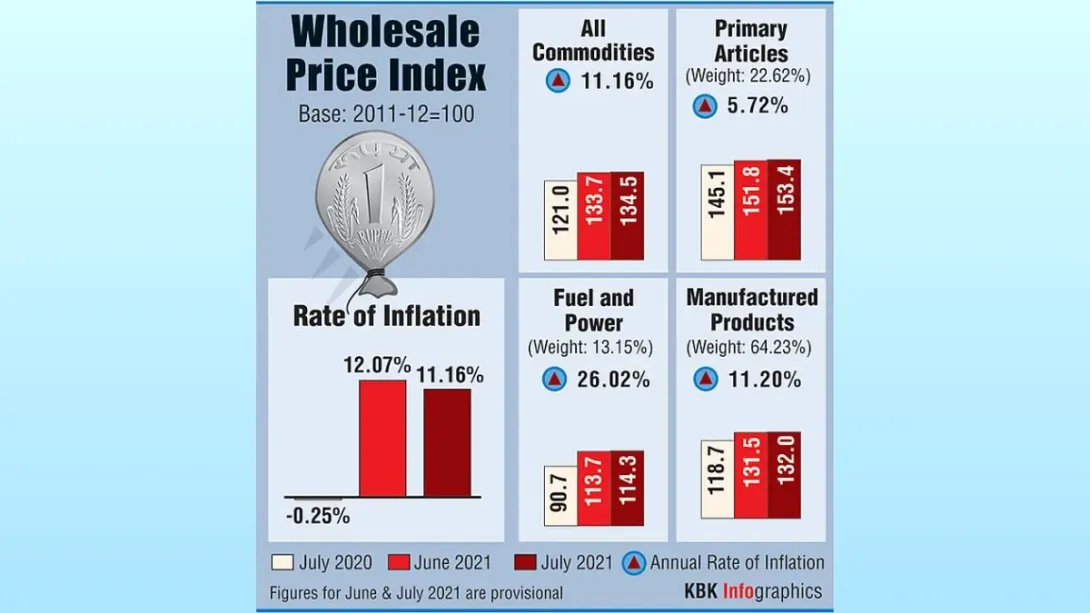
India’s wholesale price inflation rose to 3.88 percent in March, marking the fifth consecutive month of increase and signaling renewed cost pressures across the economy. The rise was largely driven by a sharp uptick in fuel, power, and manufactured goods prices, influenced by geopolitical tensions in West Asia and higher global commodity costs. Compared with 2.13 percent in February and 2.25 percent a year earlier, the latest data reflects a broad-based inflationary trend. Economists warn that persistent wholesale inflation could eventually pass through to retail prices, complicating monetary policy decisions and impacting business margins in the coming quarters.
Wholesale Inflation Continues Upward Trajectory
India’s Wholesale Price Index (WPI)-based inflation rose to 3.88 percent in March, extending its upward streak for the fifth consecutive month. The increase represents a significant acceleration from 2.13 percent recorded in February and 2.25 percent in March of the previous year.
The sustained rise in wholesale inflation indicates mounting cost pressures at the producer level, which often precede broader price increases across the economy. Analysts note that the current trend reflects both domestic supply dynamics and global economic developments.
Fuel and Power Costs Drive Price Pressures
A major contributor to the March inflation spike was the sharp increase in fuel and power prices. Rising costs of crude petroleum and natural gas have had a cascading effect across industries, pushing up transportation, production, and energy expenses.
The ongoing geopolitical tensions in West Asia have further tightened global energy supplies, leading to elevated price volatility. As India remains heavily dependent on energy imports, such external shocks continue to exert considerable influence on domestic price levels.
Manufactured Goods and Commodities Add to Inflation
Beyond energy, inflationary pressures were also evident in manufactured goods and key commodity segments. Prices of basic metals, non-food articles, and various industrial inputs recorded notable increases during the month.
The rise in manufacturing costs suggests that businesses are facing higher input expenses, which may eventually be passed on to consumers. Additionally, the uptick in food articles indicates that inflation is becoming more broad-based rather than limited to a few sectors.
Economic Implications and Policy Outlook
The continued increase in wholesale inflation presents a complex challenge for policymakers. While moderate inflation can signal economic recovery, persistent cost escalation raises concerns about margin compression for businesses and reduced purchasing power for consumers.
Economists suggest that if wholesale price pressures persist, they could translate into higher retail inflation in the coming months. This may complicate the central bank’s policy stance, particularly in balancing growth objectives with inflation control.
Global Factors Amplifying Domestic Trends
Global commodity markets have played a significant role in shaping India’s inflation dynamics. Fluctuations in crude oil prices, supply chain disruptions, and geopolitical uncertainties have all contributed to the current environment of elevated costs.
These external factors, combined with domestic demand recovery, have created a scenario where inflationary pressures are likely to remain sensitive to global developments in the near term.
Conclusion
India’s wholesale inflation reaching 3.88 percent in March underscores a period of rising input costs driven by energy prices and manufacturing sector pressures. The fifth consecutive monthly increase highlights a trend that warrants close monitoring, particularly as it may influence retail inflation and broader economic stability.
As policymakers navigate this evolving landscape, the balance between sustaining growth and managing inflation will remain a central challenge in the months ahead.
Comments