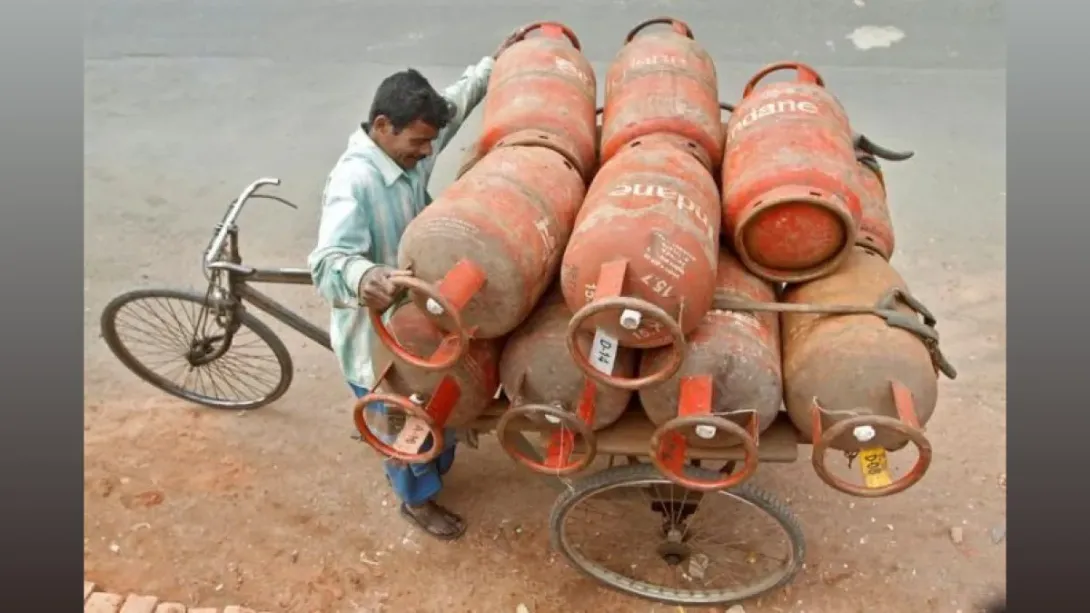
India is accelerating its transition toward piped natural gas (PNG) by mandating that household LPG supplies be discontinued in areas where pipeline connectivity is available. The move comes amid supply disruptions in liquefied petroleum gas (LPG) due to geopolitical tensions in West Asia and reflects a broader strategy to diversify energy sources. PNG, delivered directly through pipelines, offers uninterrupted supply and reduced logistical dependency compared to cylinder-based systems. The policy aims to expand gas infrastructure, improve energy security, and reduce import reliance while encouraging households and businesses to adopt a more efficient and scalable fuel alternative.
Policy Shift Toward Piped Natural Gas
The Government of India has introduced a directive requiring households to transition from LPG to piped natural gas (PNG) in regions where such infrastructure is already operational. The measure is designed to accelerate the adoption of pipeline-based gas distribution and optimize resource allocation in the domestic energy ecosystem.
Under the new framework, LPG supply may be discontinued for consumers who do not switch to PNG despite having access. The policy reflects a decisive shift toward modernizing India’s urban energy consumption patterns.
Addressing Supply Disruptions and Energy Security
The move comes at a time when India is facing constraints in LPG availability due to disruptions in global supply chains, particularly from West Asia. Geopolitical tensions have highlighted the vulnerability of import-dependent energy systems.
By promoting PNG, which can be sourced both domestically and through diversified import channels, the government aims to reduce reliance on a single fuel source. This diversification is critical for enhancing long-term energy security and insulating the economy from external shocks.
Operational Advantages of PNG
Piped natural gas offers several operational benefits over traditional LPG cylinders. It is supplied continuously through a network of pipelines, eliminating the need for manual booking, delivery logistics, and storage concerns.
For consumers, this translates into greater convenience, consistent availability, and potentially improved safety standards. For the government and energy companies, PNG reduces distribution costs and streamlines supply chain management.
Infrastructure Expansion and Urban Energy Transition
The policy is also closely linked to India’s broader infrastructure expansion agenda. Significant investments have been made in city gas distribution networks, particularly in urban and semi-urban areas.
Encouraging widespread adoption of PNG ensures optimal utilization of this infrastructure while supporting the transition toward cleaner and more efficient energy systems. It also aligns with India’s long-term environmental and sustainability goals.
Challenges in Consumer Adoption
Despite its advantages, the transition to PNG may face resistance from consumers accustomed to LPG systems. Initial installation costs, awareness gaps, and regional disparities in infrastructure readiness could pose challenges.
To address these concerns, policymakers may need to focus on awareness campaigns, financial incentives, and ensuring seamless onboarding processes. Building consumer trust will be essential for the success of the initiative.
Economic and Environmental Implications
From an economic standpoint, reducing LPG imports can help ease pressure on the current account deficit and improve fiscal stability. PNG’s relatively lower carbon footprint also contributes to environmental objectives, making it a cleaner alternative in the household energy mix.
As India moves toward a more diversified energy portfolio, policies like this are expected to play a pivotal role in shaping consumption patterns and driving sustainable growth.
Conclusion
The government’s directive to phase out LPG in favor of PNG in connected areas marks a significant shift in India’s energy strategy. By prioritizing infrastructure utilization, supply diversification, and consumer convenience, the policy aims to create a more resilient and efficient energy ecosystem.
While challenges remain in execution and adoption, the transition to piped natural gas represents a forward-looking step toward modernizing India’s domestic fuel landscape and strengthening its energy security framework.
Comments