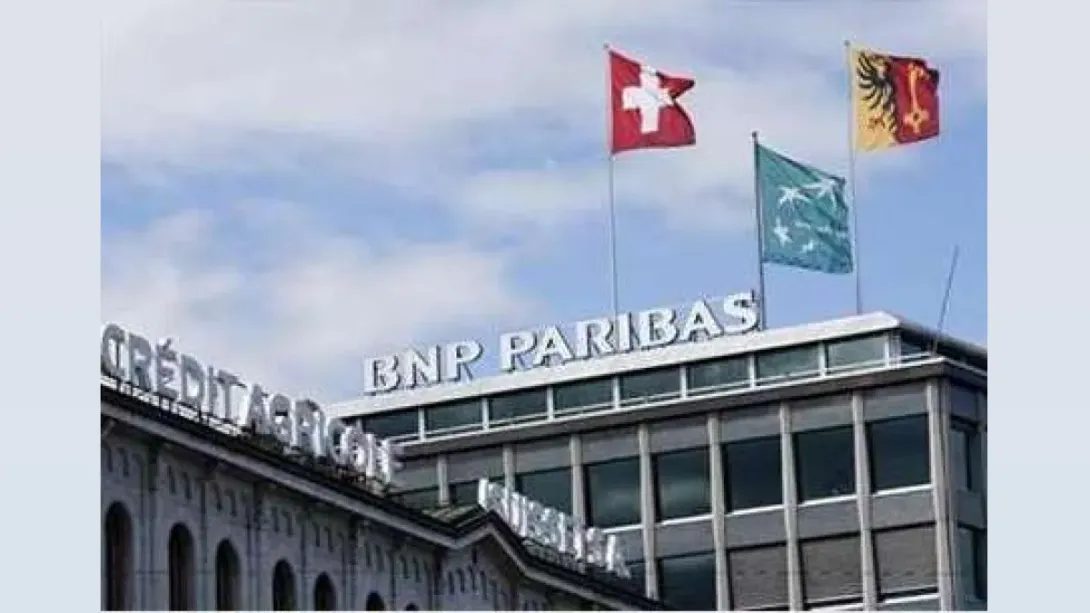
French financial major BNP Paribas has acquired a significant stake in Adani Green Energy through an open market transaction valued at approximately Rs 55.78 crore. The deal involved the purchase of 6.9 lakh shares from Morgan Stanley at an average price of Rs 808.3 per share. The transaction reflects continued institutional interest in India’s renewable energy sector, particularly in companies positioned to benefit from the country’s clean energy transition. Market response remained positive, with the stock registering gains following the deal. Analysts view the transaction as a strategic portfolio adjustment amid evolving global investment trends in sustainable infrastructure.
Strategic Stake Acquisition in Renewable Energy
In a notable market development, BNP Paribas has strengthened its exposure to India’s renewable energy sector by acquiring a substantial equity stake in Adani Green Energy. The transaction, executed through its affiliate BNP Paribas Financial Markets, underscores growing global investor confidence in India’s clean energy growth story.
The deal involved the purchase of 6,90,000 shares at an average price of Rs 808.3 per share, translating into a total investment of Rs 55.78 crore. The shares were acquired via a block deal on the open market, reflecting a transparent and market-driven transaction structure.
Morgan Stanley Exits Equivalent Position
The counterparty in the transaction was Morgan Stanley, which offloaded an identical number of shares through its Singapore-based arm. The simultaneous buy-and-sell arrangement indicates a strategic rebalancing of portfolios rather than a broader shift in sentiment toward the company.
Such transactions are common among institutional investors, who frequently adjust their holdings based on evolving risk assessments, capital allocation priorities, and market conditions.
Market Reaction and Stock Performance
Following the transaction, shares of Adani Green Energy witnessed a positive uptick, rising by approximately 2.76 percent. The gain reflects investor optimism and reinforces the perception of sustained institutional backing.
Market participants often interpret large-scale institutional investments as signals of confidence, particularly in sectors undergoing structural transformation such as renewable energy.
India’s Renewable Energy Sector Attracts Global Capital
The investment aligns with a broader trend of increasing foreign institutional participation in India’s green energy ecosystem. With the country targeting ambitious renewable capacity additions and transitioning toward a low-carbon economy, companies in this space are attracting significant global attention.
For BNP Paribas, the investment represents not just a financial opportunity but also a strategic alignment with global sustainability goals. Institutional investors are increasingly integrating environmental, social, and governance (ESG) considerations into their portfolio decisions, and renewable energy assets are central to this shift.
Implications for Institutional Investment Trends
The transaction highlights a key trend in global capital markets—rotation toward sustainable and infrastructure-linked assets. As traditional energy sectors face regulatory and environmental pressures, capital is being redirected toward cleaner alternatives.
Moreover, the scale and transparency of the deal indicate a maturing Indian equity market capable of facilitating large institutional transactions with efficiency and liquidity.
Balancing Risk and Opportunity
While the renewable energy sector offers substantial growth potential, it is not without risks. Factors such as regulatory changes, financing costs, and execution challenges can influence company performance.
However, the continued participation of global financial institutions suggests a long-term investment horizon, where short-term volatility is outweighed by structural growth prospects.
Conclusion: A Vote of Confidence in Green Growth
BNP Paribas’ Rs 55.78 crore investment in Adani Green Energy serves as a strong endorsement of India’s renewable energy trajectory. The transaction not only reinforces the company’s market position but also reflects broader investor confidence in sustainable infrastructure as a cornerstone of future economic growth.
As global capital increasingly gravitates toward environmentally aligned assets, such developments are likely to shape the next phase of investment flows into emerging markets. For India, the message is clear: the transition to clean energy is not just an environmental imperative but also a compelling investment opportunity.
Comments