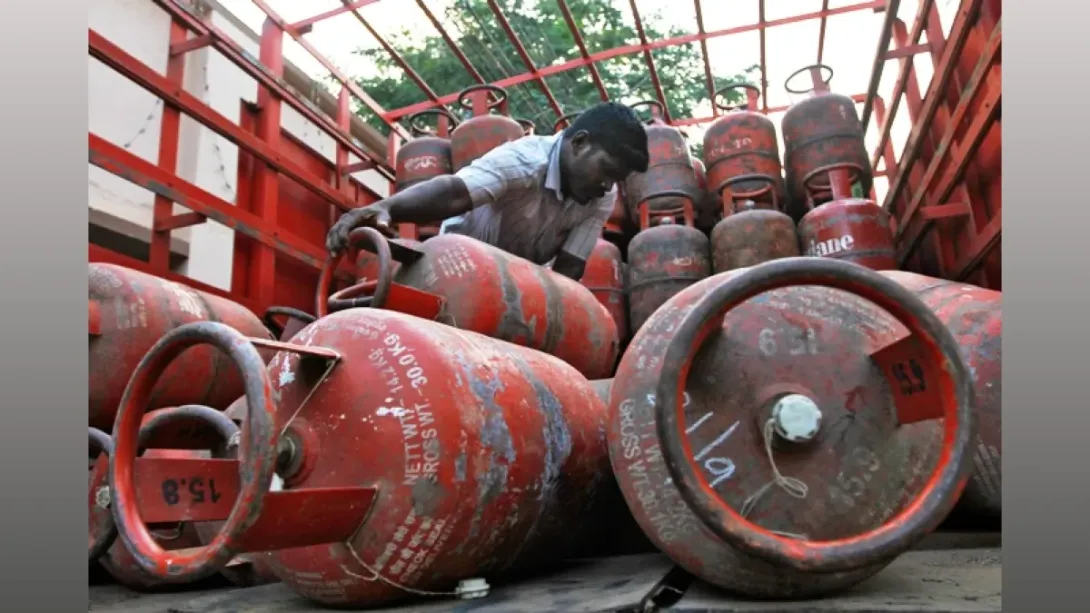
The Government of Maharashtra has revised commission structures and transportation rates for kerosene distribution under the Public Distribution System (PDS), responding to renewed demand triggered by liquefied petroleum gas (LPG) shortages. The supply disruption, linked to geopolitical tensions in West Asia, has prompted the central government to allocate 3,744 kilolitres of kerosene as an alternative fuel source. Once phased down due to widespread LPG penetration and regulatory restrictions, kerosene is now being repositioned as a contingency energy solution. The policy adjustment aims to stabilize supply chains, ensure affordability, and address energy access concerns among vulnerable households.
Policy Shift Driven by Energy Supply Constraints
The Maharashtra government has undertaken a significant policy recalibration by revising commission and transportation rates for kerosene distributed through the PDS network. The move reflects a pragmatic response to evolving energy supply dynamics, particularly the recent shortage of LPG.
Officials indicated that the revision is designed to incentivize distribution efficiency while ensuring that kerosene reaches end-users without logistical bottlenecks or pricing distortions.
Revival of Kerosene as a Strategic Fuel Alternative
Kerosene distribution had been steadily curtailed in recent years due to the expansion of LPG coverage and judicial directives limiting supply to households already using cleaner fuels. However, the current supply constraints have necessitated a temporary revival of kerosene as a viable alternative.
The allocation of 3,744 kilolitres underscores the urgency of addressing immediate energy needs, particularly for low-income households that rely on subsidized fuel options.
Impact of Geopolitical Developments on Domestic Energy Supply
The disruption in LPG availability has been linked to ongoing geopolitical tensions in West Asia, a region critical to global energy supply chains. These external shocks have highlighted the vulnerability of domestic energy systems to international developments.
By proactively adjusting kerosene distribution policies, authorities aim to mitigate the impact of supply-side volatility on household energy security.
Economic and Operational Implications
The revised commission and transport rates are expected to improve last-mile delivery by aligning incentives for distributors and transporters. This could reduce delays, minimize leakages, and enhance overall system efficiency.
From a fiscal perspective, the move may temporarily increase subsidy outflows but is likely to deliver social benefits by ensuring uninterrupted access to essential fuel.
Balancing Energy Transition with Ground Realities
While India continues to promote cleaner energy adoption through LPG and renewable initiatives, the current situation illustrates the importance of maintaining flexible policy frameworks. Transitional fuels like kerosene, though less environmentally sustainable, remain critical in times of crisis.
The government’s approach reflects a balance between long-term sustainability goals and immediate socio-economic needs.
Conclusion: Adaptive Policy for Energy Resilience
Maharashtra’s decision to revise kerosene distribution parameters highlights the importance of adaptive policymaking in an uncertain global energy environment. By strengthening supply mechanisms and addressing short-term shortages, the state aims to safeguard energy access while maintaining stability in its public distribution system.
Comments