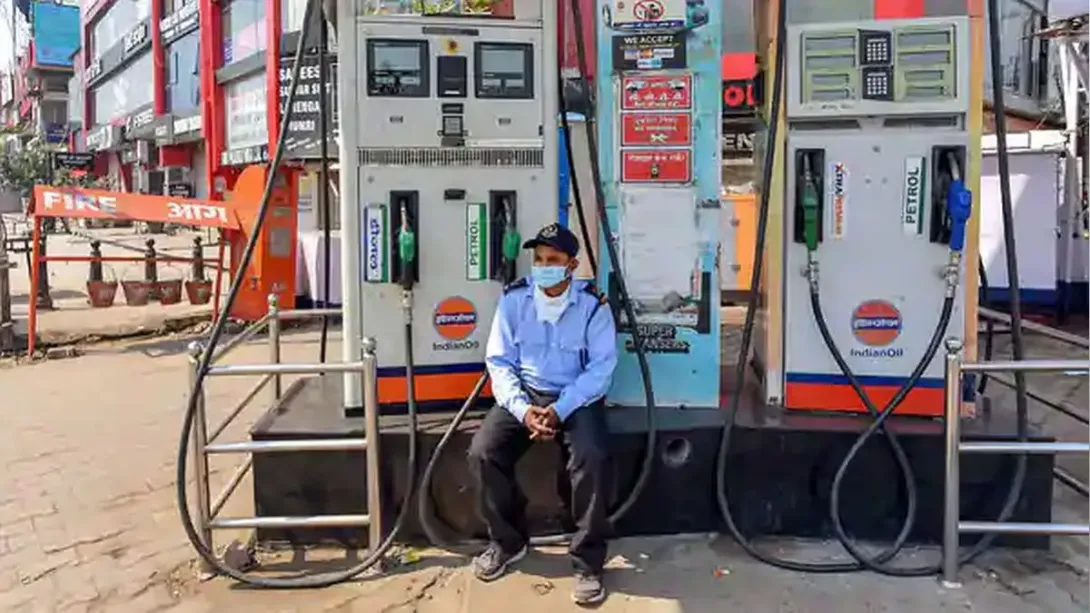
Himachal Pradesh has introduced a calibrated fiscal framework that balances social welfare objectives with economic stability, avoiding an immediate increase in fuel prices while creating legislative flexibility for future adjustments. The government has proposed a provision allowing up to Rs 5 per litre cess on petrol and high-speed diesel, earmarked for welfare initiatives targeting vulnerable groups. Simultaneously, relief measures for the transport sector—such as reduced entry taxes and toll exemptions—signal a broader policy intent to support economic activity. This dual approach reflects a pragmatic governance model that aligns fiscal discipline with targeted social protection and sectoral incentives.
Policy Overview: A Measured Fiscal Strategy
In a move that underscores cautious fiscal management, the government of Himachal Pradesh has clarified that no immediate increase in petrol and diesel prices has been implemented. Instead, the legislative framework now permits a potential future adjustment of up to Rs 5 per litre through a newly introduced cess mechanism.
This provision, embedded within the amended Value Added Tax structure, is not an outright price hike but a strategic policy tool. It enables the state to respond dynamically to evolving fiscal pressures without imposing an immediate burden on consumers.
Chief Minister Sukhvinder Singh Sukhu emphasized that the intent is to maintain economic stability while preserving the option to mobilize additional resources if necessary.
The ‘Orphan and Widow’ Cess: Welfare Through Fiscal Instruments
At the heart of the legislative amendment lies the introduction of an “Orphan and Widow” cess. This targeted levy, if activated, is designed to fund welfare programs aimed at some of the most vulnerable segments of society.
From a public finance perspective, this approach reflects a shift toward earmarked taxation, where revenue streams are directly linked to specific social outcomes. Such mechanisms often enhance transparency and public acceptance, particularly when the intended beneficiaries are clearly defined.
However, economists caution that the effectiveness of such levies depends on execution. Ensuring that funds are efficiently allocated and reach intended recipients will be critical in maintaining policy credibility.
Transport Sector Relief: Stimulating Economic Activity
While retaining the option to increase fuel-related revenues, the government has simultaneously introduced relief measures aimed at easing operational costs within the transport sector.
Key initiatives include:
Reduction in entry tax for passenger vehicles entering the state—from Rs 130 to Rs 100
Lower toll rates for larger vehicles
Complete exemption from toll tax for locally registered light commercial vehicles, including pickups, taxis, and three-wheelers
These measures are particularly significant in a geographically challenging state where transportation costs play a critical role in economic activity. By reducing logistical expenses, the government aims to stimulate trade, tourism, and intra-state mobility.
Balancing Act: Fiscal Prudence vs. Economic Growth
The policy reflects a broader balancing act between revenue generation and economic stimulation. On one hand, the state faces increasing expenditure commitments, particularly in welfare and infrastructure. On the other, excessive taxation risks dampening consumption and business activity.
By deferring immediate fuel price hikes while keeping the option open, the government is effectively adopting a wait-and-watch approach. This allows policymakers to assess macroeconomic conditions—such as inflation, crude oil prices, and revenue trends—before making decisive fiscal moves.
Such flexibility is particularly valuable in an uncertain global environment marked by volatile energy markets and geopolitical disruptions.
Implications for Consumers and Businesses
For consumers, the immediate takeaway is clear: fuel prices remain unchanged, offering short-term relief amid broader inflationary pressures. However, the possibility of future increases introduces an element of uncertainty that could influence spending behavior.
For businesses—especially those in logistics and transportation—the reduction in taxes and tolls provides tangible cost savings. This could improve margins and potentially translate into more competitive pricing for goods and services.
From an investment standpoint, the policy signals a stable yet adaptive regulatory environment, which is often viewed positively by market participants.
Governance and Public Communication
An important aspect of this policy rollout has been the government’s emphasis on communication. By explicitly stating that no immediate price hike has occurred, authorities have sought to preempt public concern and misinformation.
Clear messaging is crucial in fiscal policy, where perception often shapes economic behavior as much as actual policy changes. The government’s proactive clarification helps maintain consumer confidence and avoids unnecessary market disruptions.
Conclusion: A Pragmatic Approach to Fiscal Management
Himachal Pradesh’s latest fiscal measures illustrate a nuanced approach to governance—one that seeks to balance competing priorities without resorting to abrupt policy shifts. By combining legislative flexibility with targeted relief measures, the state is positioning itself to navigate economic uncertainties while safeguarding social welfare objectives.
The success of this strategy will ultimately depend on timing, execution, and the broader economic context. For now, it stands as an example of how regional governments can employ measured, data-driven policymaking to address complex financial and social challenges.
Comments