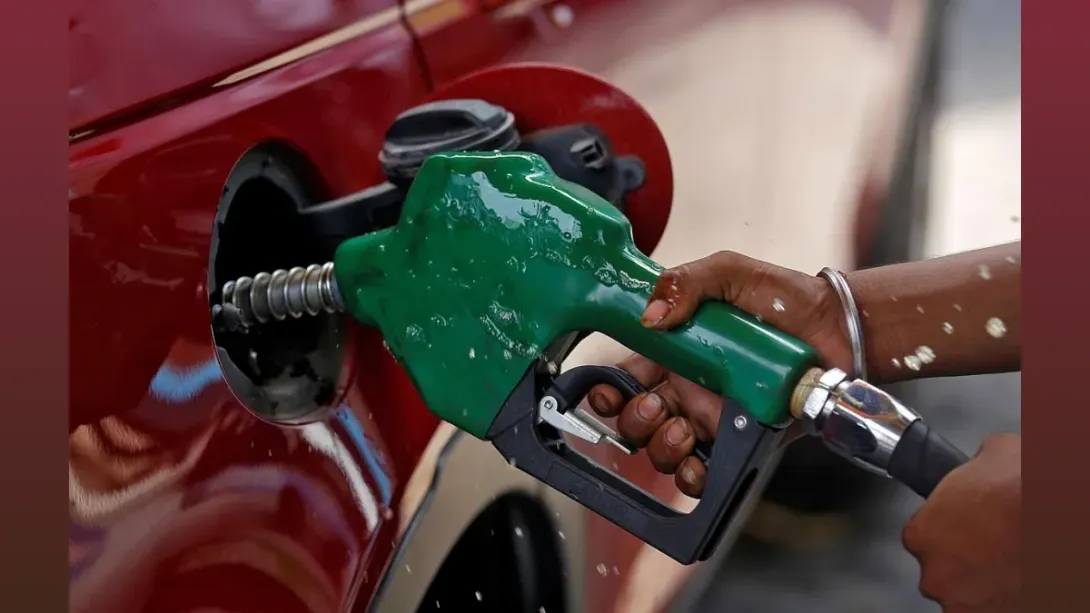
Pakistan has implemented a sharp and unprecedented increase in fuel prices, raising petrol and high-speed diesel (HSD) rates by over 40 percent and 55 percent, respectively. The move comes amid surging global oil prices triggered by escalating geopolitical tensions in West Asia, particularly the US-Israel conflict involving Iran. The government has simultaneously restructured petroleum levies to manage fiscal pressures while limiting the burden on critical sectors. Officials describe the decision as necessary to preserve macroeconomic stability and reduce subsidy dependence. However, the steep hike is expected to intensify inflationary pressures and strain household and industrial budgets.
A Historic Surge in Fuel Prices
In a decisive yet contentious move, Pakistan has announced one of the steepest fuel price increases in its recent economic history. The government raised petrol prices by Rs. 137.23 per litre, pushing the retail rate to Rs. 458.41 from Rs. 321.17. High-speed diesel (HSD), a critical fuel for transport and agriculture, witnessed an even sharper rise of Rs. 184.49 per litre, reaching Rs. 520.35 from Rs. 335.86.
Kerosene prices also saw an upward revision, increasing by Rs. 34.08 per litre to Rs. 457.80. The revisions took immediate effect, signaling urgency in the government’s response to mounting global and domestic pressures.
Geopolitical Tensions Driving Oil Prices
The primary catalyst behind the surge lies in escalating geopolitical instability in West Asia. Rising tensions involving the United States, Israel, and Iran have disrupted global oil supply expectations, pushing crude prices higher in international markets.
For import-dependent economies like Pakistan, such external shocks translate directly into higher domestic fuel costs. With limited capacity to absorb these increases through subsidies, the government has passed a significant portion of the burden onto consumers.
This development underscores the vulnerability of emerging markets to global energy volatility, particularly during periods of geopolitical uncertainty.
Fiscal Strategy and Levy Adjustments
Alongside the price hike, the government has recalibrated its petroleum levy structure in a bid to balance fiscal priorities with social considerations. The levy on petrol has been increased sharply to Rs. 160 per litre from Rs. 105, while the levy on diesel has been reduced to zero from Rs. 55.
This asymmetric adjustment reflects a targeted approach. Diesel, widely used in agriculture and freight transportation, has a direct impact on food prices and supply chains. By eliminating the levy on diesel, policymakers aim to cushion key economic sectors from the full impact of rising global prices.
However, the higher levy on petrol indicates the government’s intent to bolster revenue streams and reduce reliance on external borrowing.
Balancing Subsidies and Economic Stability
Officials have characterized the decision as a necessary step toward fiscal discipline. Maintaining large-scale fuel subsidies in the face of rising global prices would have placed immense strain on public finances, potentially widening the fiscal deficit.
By limiting subsidies to targeted segments, the government seeks to ensure that financial support reaches the most vulnerable populations while avoiding unsustainable expenditure.
This approach aligns with broader macroeconomic objectives, including stabilizing the currency, managing inflation, and meeting international financial commitments.
Inflationary Impact and Economic Ripple Effects
Despite its fiscal rationale, the fuel price hike is likely to have far-reaching economic consequences. Fuel costs are a key input across multiple sectors, including transportation, manufacturing, and agriculture. As a result, the increase is expected to trigger a cascade of price rises across goods and services.
Higher transportation costs will directly affect food prices, while increased input costs for industries may lead to reduced margins or higher consumer prices. The cumulative effect could exacerbate inflationary pressures, already a significant concern for the economy.
For households, particularly those in lower-income brackets, the impact will be immediate and pronounced, reducing disposable income and purchasing power.
Market Sentiment and Policy Credibility
From a financial markets perspective, the move may be viewed as a demonstration of policy resolve. By taking decisive action, the government signals its commitment to fiscal prudence and economic stability.
However, the challenge lies in maintaining public confidence while implementing such measures. Transparent communication and targeted relief programs will be critical in mitigating social backlash and sustaining policy credibility.
Investors and international stakeholders are likely to monitor the situation closely, particularly in terms of inflation trends and fiscal performance.
The Road Ahead: Navigating Uncertainty
Looking forward, Pakistan’s economic trajectory will depend on multiple variables, including global oil prices, geopolitical developments, and domestic policy responses. While the current measures address immediate fiscal concerns, long-term solutions will require structural reforms.
Investments in energy diversification, improved efficiency, and reduced import dependence could help mitigate future shocks. Additionally, strengthening social safety nets will be essential to protect vulnerable populations from the adverse effects of such policy decisions.
Conclusion: A Difficult but Defining Decision
The sharp increase in fuel prices represents a pivotal moment for Pakistan’s economic management. Faced with external shocks and internal constraints, the government has opted for a path of fiscal discipline, albeit at the cost of short-term economic discomfort.
As the country navigates this challenging phase, the effectiveness of complementary policies and the resilience of its economic framework will determine whether this decision serves as a foundation for stability or a precursor to further challenges.
Comments