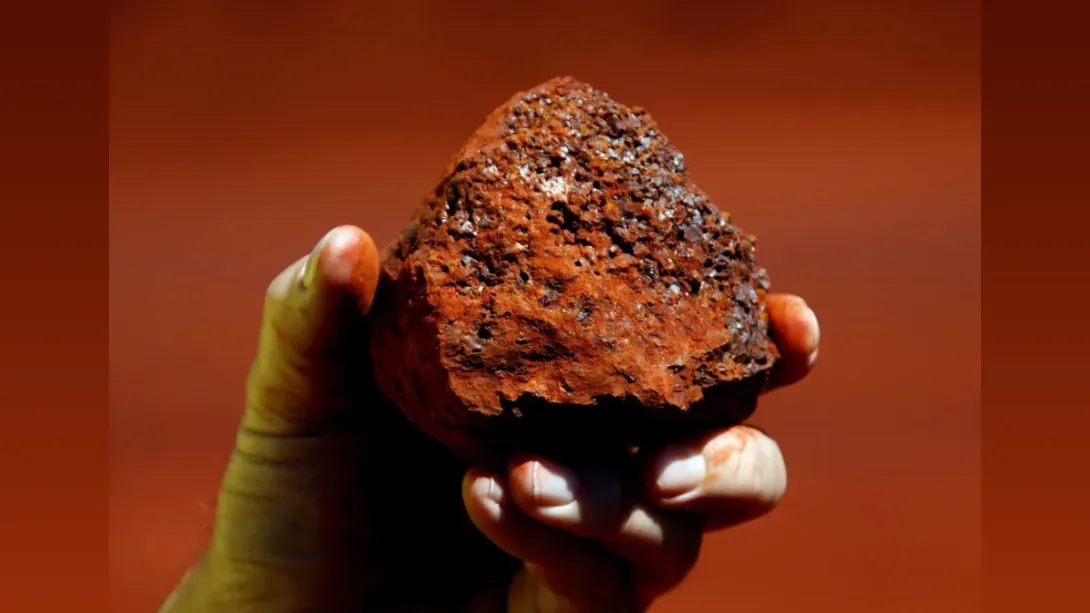
Vedanta Ltd delivered a mixed operational performance in the fourth quarter of FY26, with growth in core metal segments offset by a decline in energy and bulk commodity output. Aluminium and zinc production registered modest increases, reflecting steady demand and operational stability. However, output from iron ore, steel, and oil & gas segments declined, highlighting sector-specific challenges. Notably, oil and gas production fell sharply, underscoring volatility in the energy business. The results illustrate Vedanta’s diversified portfolio dynamics, where gains in metals partially cushion weaknesses in other segments amid evolving global commodity cycles.
Operational Snapshot: Diverging Segmental Performance
Vedanta Ltd reported a mixed production performance for the January–March quarter of FY26, reflecting varied trends across its diversified business verticals. While the company’s metals portfolio showed resilience, other segments faced headwinds.
Aluminium production recorded a 2 per cent increase during the quarter, signaling stable operational efficiency and consistent demand. Similarly, Zinc India’s mined metal output also rose by 2 per cent, reinforcing the company’s strong positioning in the base metals segment.
However, these gains were offset by declines in other key areas, including iron ore, steel, and oil & gas production, pointing to uneven performance across the portfolio.
Metals Segment: Stability Anchors Performance
The metals division continues to serve as the backbone of Vedanta’s operational strength. Incremental growth in aluminium and zinc production highlights the company’s ability to maintain output levels despite broader market uncertainties.
Aluminium, a critical industrial metal with applications across infrastructure, automotive, and packaging sectors, has benefited from steady domestic and global demand. Similarly, zinc, widely used for galvanization and corrosion protection, remains a key contributor to Vedanta’s revenue base.
These segments provide relative stability, especially during periods when other commodity cycles exhibit volatility.
Energy Segment Under Pressure
The most significant drag on Vedanta’s quarterly performance came from its oil and gas division. The company reported a 15 per cent decline in average daily gross operated production, which fell to 81,500 barrels of oil equivalent per day (boepd).
This sharp drop reflects operational challenges and possibly maturing assets within the energy portfolio. Lower production volumes in this segment can have a direct impact on overall profitability, given the typically high margins associated with oil and gas operations.
The decline also underscores the inherent volatility of the energy sector, which is influenced by both operational factors and global price fluctuations.
Weakness in Bulk Commodities: Iron Ore and Steel
Vedanta’s iron ore and steel segments also witnessed a decline in output during the quarter. These sectors are particularly sensitive to macroeconomic conditions, including infrastructure spending, construction activity, and global trade dynamics.
A slowdown in these segments may indicate softer demand conditions or operational constraints. Additionally, fluctuations in commodity prices and regulatory factors can influence production decisions and output levels.
The underperformance in these areas highlights the cyclical nature of bulk commodities and their susceptibility to external economic factors.
Strategic Implications of a Diversified Portfolio
Vedanta’s diversified business model plays a crucial role in mitigating risk. While certain segments underperformed, gains in aluminium and zinc helped balance the overall operational outcome.
This diversification allows the company to navigate commodity cycles more effectively, reducing dependence on any single revenue stream. However, it also requires continuous capital allocation and strategic focus to optimize performance across multiple sectors.
The mixed results emphasize the importance of operational efficiency and cost management in maintaining profitability across diverse business lines.
Market Context and Commodity Trends
The global commodity environment remains dynamic, influenced by geopolitical developments, supply chain disruptions, and shifting demand patterns. Metals such as aluminium and zinc have shown relative resilience, supported by infrastructure spending and industrial activity.
In contrast, energy markets have experienced volatility, with production challenges and price fluctuations affecting output decisions. Similarly, iron ore and steel demand is closely tied to global economic growth, which has shown signs of uneven recovery.
Vedanta’s performance reflects these broader market trends, highlighting the interplay between global dynamics and company-level operations.
Outlook: Navigating Cyclical Challenges
Looking ahead, Vedanta’s performance will depend on its ability to strengthen high-performing segments while addressing challenges in underperforming areas. Enhancing operational efficiency, optimizing asset utilization, and managing costs will be critical.
The company may also focus on technological upgrades and strategic investments to improve output in its energy and bulk commodity segments. Additionally, favorable commodity price movements could provide upside potential.
Investors will closely monitor production trends and margin performance as indicators of the company’s ability to navigate a complex and evolving market environment.
Conclusion
Vedanta Ltd’s fourth-quarter performance underscores the complexities of operating in a diversified commodity business. While growth in aluminium and zinc production provided stability, declines in oil & gas, iron ore, and steel segments weighed on overall output.
The results highlight both the strengths and challenges of a multi-segment portfolio. As global commodity markets continue to evolve, Vedanta’s strategic execution and operational resilience will be key to sustaining long-term growth and value creation.
Comments