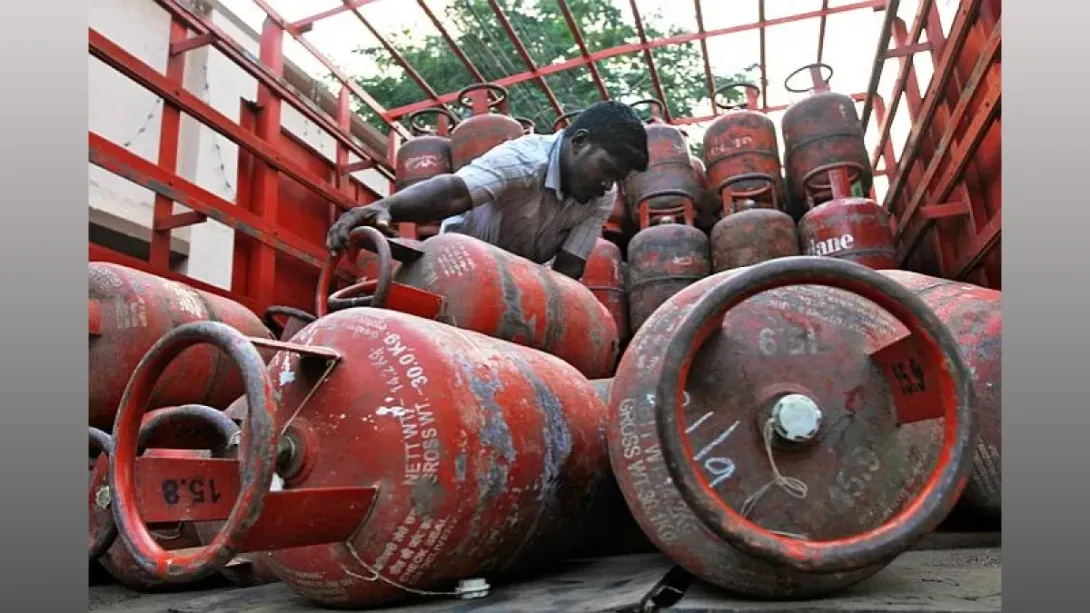
India has intensified its liquefied petroleum gas (LPG) supply measures to ensure uninterrupted availability amid rising geopolitical concerns surrounding the Strait of Hormuz. The government has significantly increased the distribution of 5-kg free trade LPG cylinders, selling approximately 6.6 lakh units since late March 2026. Authorities have emphasized that there is no shortage of domestic LPG, with over 51 lakh cylinders delivered in a single day and digital bookings accounting for 95 per cent of demand. The proactive strategy aims to stabilize consumer sentiment, maintain supply chain resilience, and mitigate any potential disruptions caused by global energy uncertainties.
Strategic Response to Geopolitical Uncertainty
In response to escalating tensions in the Strait of Hormuz—a critical global energy transit route—the government has moved swiftly to reinforce domestic LPG availability. The initiative reflects a broader strategy to insulate India’s energy supply chain from external shocks.
Officials have underscored that the measures are precautionary rather than reactive, aimed at maintaining market stability and preventing panic-driven demand surges. By ensuring consistent supply flows, policymakers are attempting to reassure both households and commercial users.
Surge in Distribution of 5-kg LPG Cylinders
A key component of the government’s strategy has been the increased availability of 5-kg LPG cylinders, commonly referred to as free trade LPG (FTL) units. These cylinders, sold at market-linked prices, offer greater accessibility due to simplified purchase requirements.
Since March 23, 2026, approximately 6.6 lakh such cylinders have been sold, with over 90,000 units distributed in a single day on April 4. Unlike subsidized 14.2-kg domestic cylinders, these smaller units do not require address verification, making them particularly useful during periods of heightened demand.
This flexible distribution model enhances last-mile delivery efficiency and provides an alternative supply channel for consumers.
Robust Domestic Supply and Distribution Network
Authorities have reported no disruptions in LPG availability across the country. On a single day, more than 51 lakh domestic cylinders were delivered, indicating strong operational capacity within the distribution network.
Notably, digital adoption continues to play a critical role in streamlining demand. Online bookings now account for approximately 95 per cent of total orders, reflecting the growing integration of technology in essential service delivery.
This high level of digital penetration enables real-time monitoring of demand patterns, allowing for quicker adjustments in supply logistics.
Market Dynamics and Pricing Considerations
The distinction between subsidized and market-priced LPG cylinders has become increasingly relevant in the current scenario. While the 14.2-kg cylinders remain subsidized, the 5-kg FTL units are priced according to prevailing market conditions.
This dual pricing mechanism allows the government to balance fiscal responsibility with consumer accessibility. It also provides flexibility in managing supply during periods of volatility without significantly impacting subsidy outlays.
Policy Implications and Consumer Confidence
The government’s proactive stance highlights the importance of energy security in an increasingly volatile global environment. By preemptively addressing potential supply concerns, authorities aim to sustain consumer confidence and prevent market disruptions.
Such measures also reinforce India’s commitment to maintaining a resilient energy infrastructure capable of withstanding geopolitical shocks.
Conclusion
India’s decision to scale up LPG distribution amid global uncertainties reflects a calculated and forward-looking approach to energy management. By leveraging flexible supply mechanisms, digital infrastructure, and robust logistics, the country has effectively mitigated potential risks. As geopolitical tensions continue to evolve, maintaining such resilience will be critical to ensuring long-term energy stability and economic continuity.
Comments