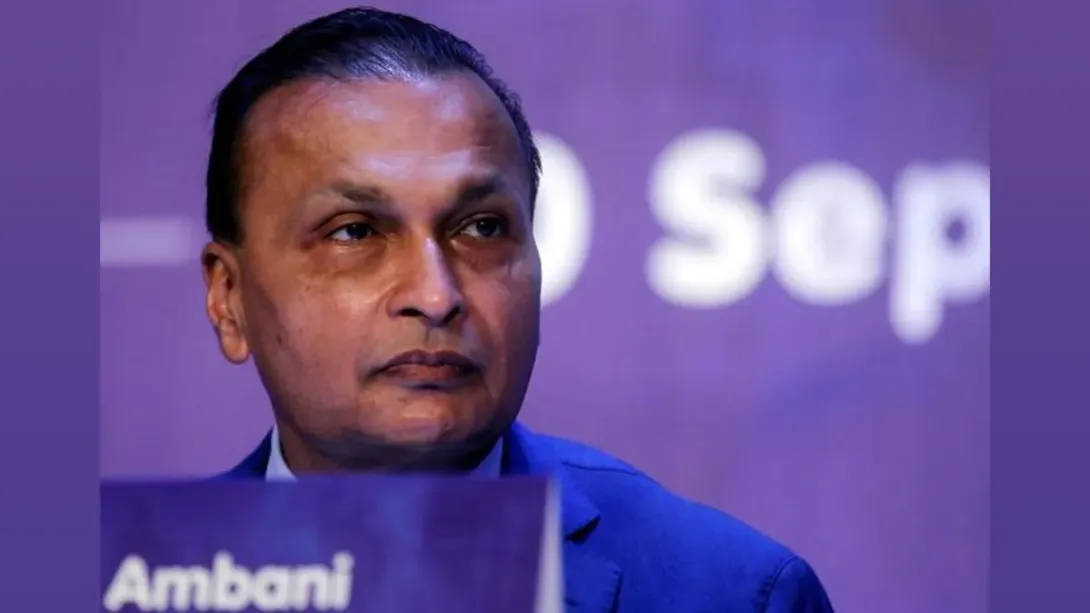
India’s premier investigative agency, the Central Bureau of Investigation, is examining bank loan fraud cases amounting to nearly Rs 73,000 crore involving the Reliance Anil Ambani Group. The probe, currently spanning seven cases, also involves scrutiny of public officials and financial institutions. Parallel investigations by the Enforcement Directorate have uncovered potential irregularities in insolvency proceedings. The Supreme Court of India has directed agencies to expedite a transparent and time-bound inquiry, emphasizing accountability and inter-agency coordination amid growing concerns over systemic lapses in large-scale financial transactions.
Massive Financial Probe Enters Critical Phase
India’s financial regulatory and investigative landscape is witnessing heightened scrutiny as the Central Bureau of Investigation intensifies its probe into alleged loan frauds linked to the Reliance Anil Ambani Group. The cumulative value of the cases under investigation stands at approximately Rs 73,006 crore, making it one of the most significant financial probes in recent years.
The cases, numbering seven, are at various stages of investigation, with authorities examining complex financial transactions and potential irregularities in lending practices. The scale of the probe underscores the systemic importance of ensuring transparency and accountability in large corporate borrowings.
Role of Public Officials Under Examination
Investigators are not limiting their focus to corporate entities alone. The probe extends to the role of certain public servants, particularly those associated with financial institutions that sanctioned loans.
This dimension adds a critical governance angle to the investigation. If irregularities are established, it could indicate lapses in due diligence, risk assessment, or even collusion in the approval of large credit facilities. Such findings may have far-reaching implications for regulatory frameworks governing banking operations.
Insolvency Proceedings Under Scrutiny
Parallel findings from the Enforcement Directorate suggest potential manipulation within insolvency proceedings conducted under the Insolvency and Bankruptcy Code (IBC). According to investigative inputs, certain processes may have been initiated deliberately through unrelated lenders.
In one instance, claims totaling around Rs 2,983 crore were reportedly settled for a significantly lower amount of Rs 26 crore. Such discrepancies have raised concerns about the integrity of resolution mechanisms and whether they were used to facilitate undue financial advantages.
Complex Financial Structures and NBFC Involvement
Investigations have also highlighted the involvement of multiple non-banking financial companies (NBFCs) in funding arrangements. A group of eight such entities is believed to have facilitated financing for acquisitions under insolvency frameworks.
These layered financial structures complicate the investigative process, requiring detailed forensic analysis to trace fund flows and establish accountability. The findings may prompt tighter regulatory oversight of NBFC operations and their role in corporate financing.
Supreme Court Calls for Coordinated Action
The Supreme Court of India has taken a firm stance on the matter, directing both the CBI and the Enforcement Directorate to conduct a thorough, impartial, and time-bound investigation.
The apex court emphasized the need for collaboration among investigative agencies and full cooperation from financial institutions. It also stressed that the inquiry must remain transparent and independent, ensuring that any wrongdoing is identified and addressed appropriately.
The next hearing in the matter is scheduled for April 30, signaling continued judicial oversight.
Implications for India’s Financial Ecosystem
The unfolding investigation has broader implications for India’s banking and corporate sectors. Large-scale loan defaults and alleged irregularities can undermine investor confidence and strain the financial system.
At the same time, decisive regulatory action and judicial intervention reinforce institutional credibility. By addressing systemic weaknesses, authorities aim to strengthen governance standards and prevent similar occurrences in the future.
Conclusion
The ongoing probe into Rs 73,000 crore worth of alleged loan fraud cases marks a critical juncture in India’s financial oversight framework. With multiple agencies involved and judicial monitoring in place, the investigation is expected to uncover key insights into lending practices, corporate governance, and regulatory gaps.
As the case progresses, its outcomes could shape future policy decisions and reinforce the importance of transparency and accountability in India’s financial ecosystem.
Comments