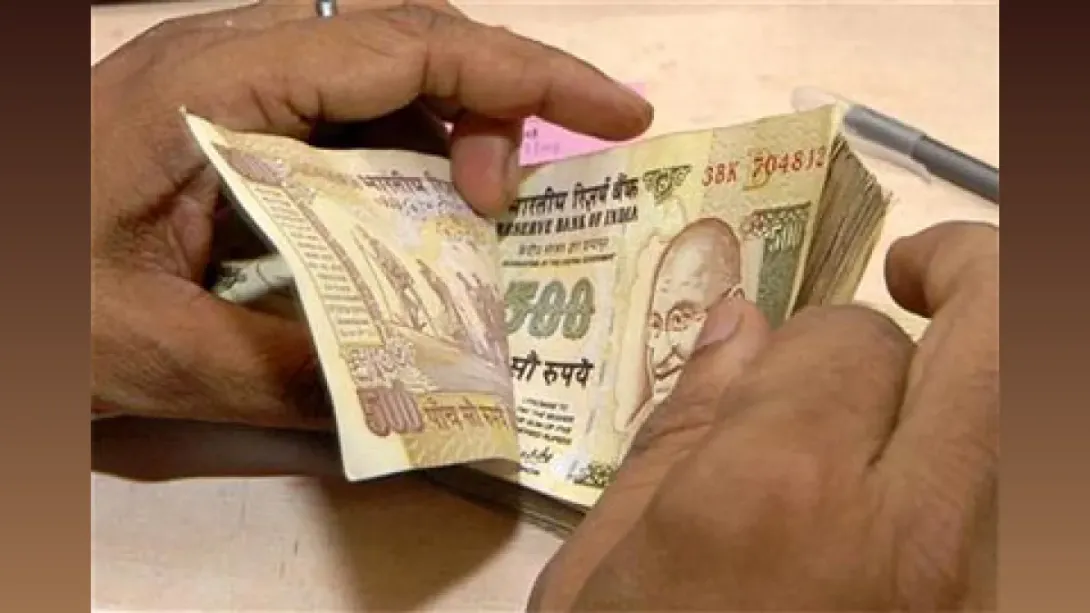
The Indian rupee ended lower against the US dollar, highlighting growing volatility in foreign exchange markets amid geopolitical tensions and evolving domestic monetary policies. Despite opening on a stronger note, the currency reversed gains due to uncertainty surrounding global developments, particularly in West Asia, and regulatory measures impacting banking liquidity. The Reserve Bank of India’s directives to limit overnight positions added further pressure, contributing to intraday fluctuations. Analysts suggest that a combination of external risks, oil price sensitivity, and cautious investor sentiment continues to weigh on the rupee, reflecting broader macroeconomic challenges in an increasingly interconnected financial landscape.
Rupee Reverses Early Gains Amid Market Volatility
The Indian currency weakened by 17 paise to close at Rs. 92.68 against the US dollar, reversing its initial upward momentum during Friday’s trading session. After opening at Rs. 92.58, the rupee briefly strengthened to touch an intraday high of Rs. 92.41 before succumbing to selling pressure and sliding to a low of Rs. 92.76.
The sharp intraday swings underscore heightened volatility in the foreign exchange market, driven by a convergence of domestic regulatory adjustments and external geopolitical developments. Currency traders observed cautious positioning as uncertainty dominated global financial sentiment.
Geopolitical Tensions Weigh on Currency Sentiment
One of the key drivers behind the rupee’s depreciation has been escalating geopolitical tensions, particularly involving the United States and Iran. Such developments tend to elevate global risk aversion, prompting investors to shift toward safe-haven assets like the US dollar.
Additionally, crude oil price sensitivity remains a critical factor for India, a major oil importer. Any disruption in global energy markets tends to widen the current account deficit, placing further downward pressure on the domestic currency. The interplay between geopolitical instability and commodity pricing continues to influence forex market behavior significantly.
RBI Measures Add to Market Uncertainty
Domestic policy actions also played a pivotal role in shaping market dynamics. The Reserve Bank of India’s directive requiring banks to limit their overnight foreign exchange positions to USD 100 million introduced a layer of caution among financial institutions.
As the compliance deadline approached, market participants adjusted their positions, leading to increased volatility. While the measure aims to strengthen financial discipline and manage systemic risk, its short-term impact has been to constrain liquidity and amplify fluctuations in the currency market.
Investor Sentiment and Capital Flows
Investor sentiment remains fragile amid a complex mix of global and domestic cues. Foreign institutional investors have shown selective engagement, influenced by shifting interest rate expectations in advanced economies and uncertainty surrounding global growth.
In such an environment, even minor triggers can lead to disproportionate currency movements. The rupee’s performance reflects this sensitivity, as capital flows react swiftly to both macroeconomic indicators and geopolitical headlines.
Outlook: Navigating a Complex Macro Landscape
Looking ahead, the trajectory of the rupee will likely depend on a delicate balance of factors, including global risk sentiment, crude oil trends, and domestic monetary policy signals. While structural fundamentals of the Indian economy remain relatively stable, short-term volatility is expected to persist.
For policymakers and market participants alike, the current phase underscores the importance of prudent risk management and adaptive strategies. As global interconnectedness deepens, the rupee’s movements will continue to mirror broader shifts in the international economic order, making vigilance and agility essential in navigating the evolving financial landscape.
Comments