India’s premier investigative agency has assumed control of a high-value financial fraud case involving the alleged misappropriation of Rs 550 crore from Haryana government accounts. The probe, initially handled by a state-level vigilance body, has now been escalated to the central level following a formal referral.
The case, linked to accounts maintained with a private sector bank in Chandigarh, raises serious concerns over financial governance, internal controls, and systemic vulnerabilities. The development underscores the growing emphasis on transparency and accountability in public finance, as authorities intensify efforts to investigate and address large-scale financial irregularities.
Central Agency Steps In to Investigate Financial Irregularities
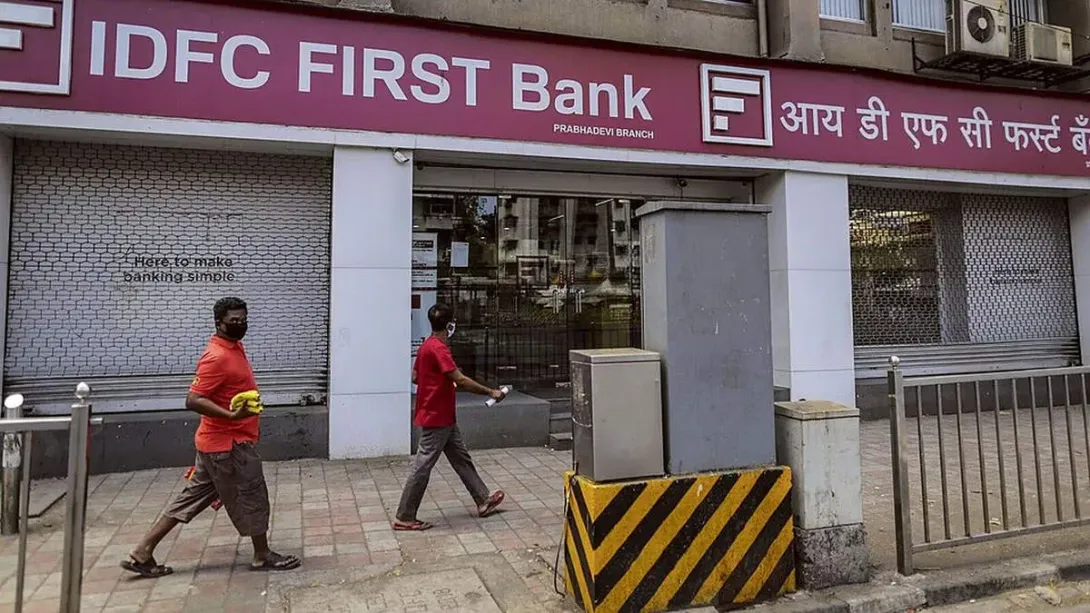
The Central Bureau of Investigation has formally registered a First Information Report (FIR) in connection with an alleged embezzlement of Rs 550 crore involving government funds. The case pertains to financial transactions linked to accounts maintained by the Haryana government with IDFC First Bank in Chandigarh.
The takeover follows a decision by the state authorities to transfer the investigation to the central agency, reflecting the gravity and complexity of the case.
Transition from State to Central Investigation
Prior to this development, the case was being examined by the Haryana State Vigilance and Anti-Corruption Bureau. However, given the scale of the alleged financial irregularities, the matter was escalated for a more comprehensive and independent probe.
The formal referral was processed through the Department of Personnel and Training, enabling the central agency to assume jurisdiction. This transition is often seen in cases where multi-layered financial transactions and potential institutional lapses require deeper forensic scrutiny.
Nature and Scope of the Alleged Fraud
The case revolves around the suspected diversion or misappropriation of Rs 550 crore from government-controlled accounts. While specific operational details remain under investigation, the magnitude of the alleged embezzlement points to possible systemic weaknesses in financial oversight mechanisms.
Such incidents raise critical questions about internal audit frameworks, authorization protocols, and the safeguards in place to monitor large-scale fund movements within public sector accounts.
Implications for Financial Governance
The escalation of the case to a central investigative body underscores the importance of robust financial governance in public administration. Large-value discrepancies not only impact state finances but also erode public trust in institutional processes.
For policymakers, the incident highlights the need to strengthen digital tracking systems, enhance audit transparency, and implement stricter compliance measures across government departments and associated banking channels.
Banking Sector and Compliance Considerations
The involvement of a commercial banking institution in the case places additional focus on compliance standards within the financial sector. While banks operate under stringent regulatory frameworks, incidents of this nature often prompt reviews of transaction monitoring systems and reporting protocols.
Financial institutions may be required to reassess risk management practices, particularly in handling government accounts, to prevent similar occurrences in the future.
Conclusion: A Test Case for Accountability
The Rs 550 crore embezzlement case represents a critical test of India’s investigative and regulatory mechanisms. With the Central Bureau of Investigation now leading the probe, expectations are high for a thorough and transparent inquiry.
Beyond the immediate legal proceedings, the case serves as a reminder of the importance of vigilance, accountability, and institutional integrity in managing public funds. As the investigation unfolds, its findings could shape future reforms in financial governance and oversight.
Comments