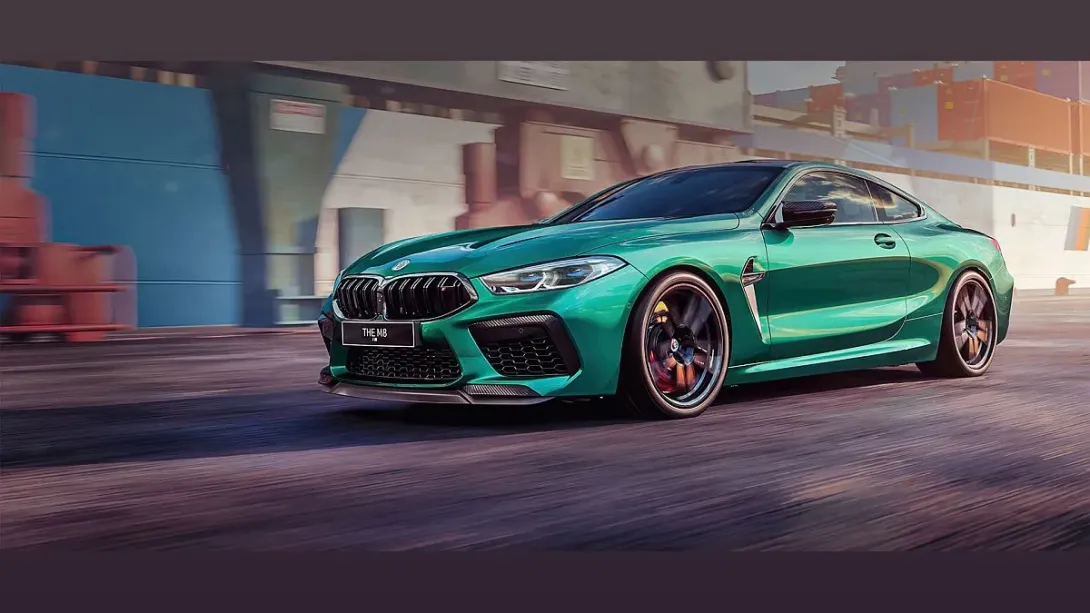
India’s premium automobile segment is poised for a rebound as easing geopolitical tensions in West Asia restore consumer confidence and stabilize supply chains. Leading luxury carmakers, including Mercedes-Benz, BMW Group, and Audi, anticipate a resurgence in demand after a period of subdued activity driven by global uncertainty. Deferred purchasing decisions are expected to translate into stronger showroom footfall and higher order conversions. With improved visibility on global conditions and easing logistical constraints, the sector is entering a phase of cautious optimism, supported by resilient high-net-worth consumer sentiment.
Geopolitical Stability Rekindles Consumer Confidence
The recent de-escalation of tensions in West Asia has injected renewed optimism into India’s luxury automotive market. Industry leaders suggest that geopolitical uncertainty had previously dampened buyer sentiment, particularly among affluent consumers who closely track global economic conditions.
Luxury vehicle purchases, often discretionary in nature, are highly sensitive to macroeconomic signals. As stability returns to international markets, prospective buyers who had postponed decisions are now expected to re-engage with the market, driving near-term demand recovery.
Pent-Up Demand Set to Drive Sales Momentum
Executives across the premium automotive segment report a noticeable buildup of deferred demand during the first quarter. According to industry insights, many high-value customers adopted a wait-and-watch approach amid geopolitical volatility and concerns over supply disruptions.
With the ceasefire now in place, this latent demand is likely to translate into increased showroom visits and order conversions. The expectation is not merely a normalization of sales but a potential surge as delayed purchases are executed within a compressed timeframe.
Supply Chain Pressures Begin to Ease
In anticipation of prolonged disruptions, manufacturers had proactively secured inventory, including critical components and assembly kits. While this strategy ensured continuity, it also increased operational costs and inventory holding risks.
The easing of geopolitical tensions is expected to restore smoother logistics flows, reducing pressure on supply chains. This normalization will allow automakers to recalibrate production schedules and optimize inventory management, thereby improving overall operational efficiency.
Strong Order Pipelines Signal Underlying Demand Strength
Despite recent headwinds, the luxury car segment has demonstrated resilience, with strong order inflows recorded in recent months. This trend underscores the enduring purchasing power of India’s affluent demographic and the aspirational appeal of premium mobility.
Industry executives highlight that demand fundamentals remain intact, supported by rising disposable incomes, urbanization, and a growing base of high-net-worth individuals. The temporary slowdown was largely sentiment-driven rather than structural.
Outlook: A Strategic Inflection Point for Premium Automakers
The convergence of improved geopolitical conditions and sustained domestic demand positions the luxury car market at a potential inflection point. Automakers are likely to intensify customer engagement strategies, leveraging favorable sentiment to accelerate sales momentum.
However, industry participants remain cautiously optimistic, acknowledging that global uncertainties can quickly re-emerge. As such, flexibility in supply chain management and demand forecasting will remain critical.
Conclusion: Recovery Backed by Confidence and Stability
The anticipated rebound in luxury car sales reflects a broader narrative of resilience within India’s premium consumption landscape. As geopolitical risks recede and economic visibility improves, the sector is well-positioned to capitalize on pent-up demand.
For global automakers, India continues to represent a high-growth market where strategic agility and consumer insight will define long-term success.
Comments