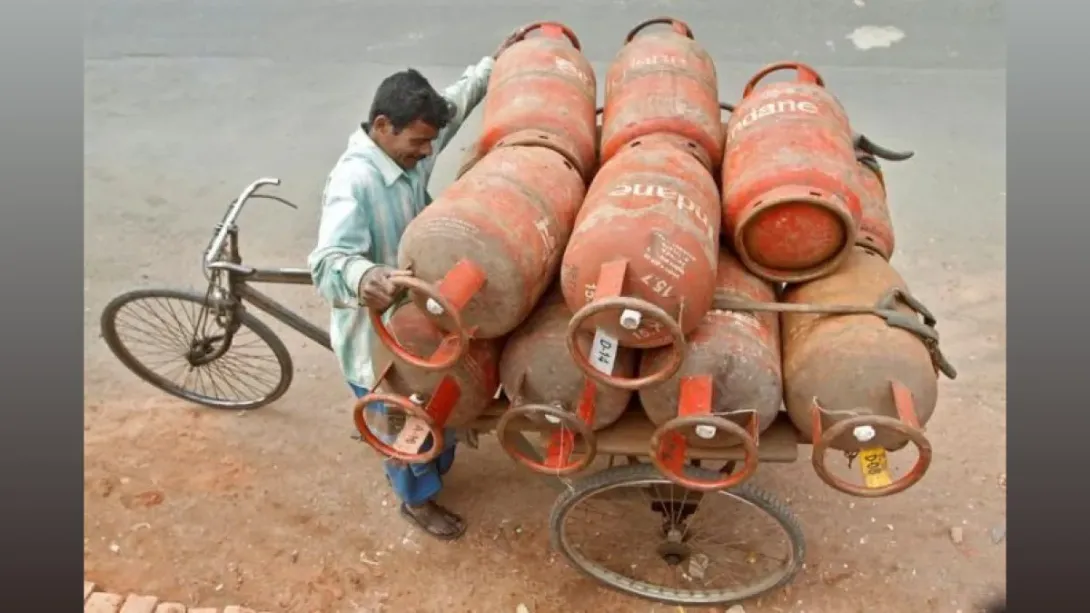
India has accelerated the distribution of smaller LPG cylinders and expanded piped natural gas (PNG) connections to mitigate the impact of global energy disruptions triggered by geopolitical tensions in West Asia. With over 13 lakh 5-kg LPG cylinders sold and more than 4.24 lakh new PNG connections activated since late March, the government is prioritizing accessibility and affordability for vulnerable populations. The transition from traditional LPG usage to PNG reflects a broader structural shift in energy consumption. These measures aim to enhance supply resilience, reduce dependency on imports, and stabilize domestic fuel availability during a period of heightened uncertainty.
Rapid Expansion of LPG Distribution
India has significantly increased the supply of 5-kg LPG cylinders to address immediate fuel needs, particularly among migrant workers and low-income households. Since March 23, more than 13 lakh units have been distributed, with daily sales exceeding 100,000 cylinders.
This targeted approach reflects a strategic emphasis on smaller, more affordable fuel options, ensuring that essential energy resources remain accessible to economically vulnerable segments of society.
Accelerated Adoption of PNG Connections
Parallel to LPG distribution, the government has intensified the rollout of piped natural gas connections. Over 424,000 new households have been connected to PNG networks since March, marking a substantial expansion in urban energy infrastructure.
Notably, more than 30,000 consumers have voluntarily surrendered their LPG connections, signaling a gradual transition toward cleaner and more efficient energy alternatives. PNG offers advantages such as continuous supply, cost efficiency, and reduced logistical dependency.
Managing Energy Supply Amid Global Disruptions
The policy response comes in the wake of a prolonged conflict in West Asia that has disrupted global energy supply chains. India, which depends heavily on imports for nearly half of its crude oil requirements and a significant portion of its natural gas, faces heightened exposure to such geopolitical risks.
By diversifying distribution channels and promoting alternative fuel systems, the government is working to mitigate the impact of supply shocks and maintain domestic energy stability.
Strategic Implications for Energy Security
The dual strategy of expanding LPG access while promoting PNG adoption reflects a broader effort to strengthen India’s energy security framework. Smaller LPG cylinders provide flexibility and affordability, while PNG infrastructure reduces reliance on transport-intensive fuel distribution.
This integrated approach enhances resilience by balancing short-term relief measures with long-term structural reforms in energy consumption patterns.
Comments