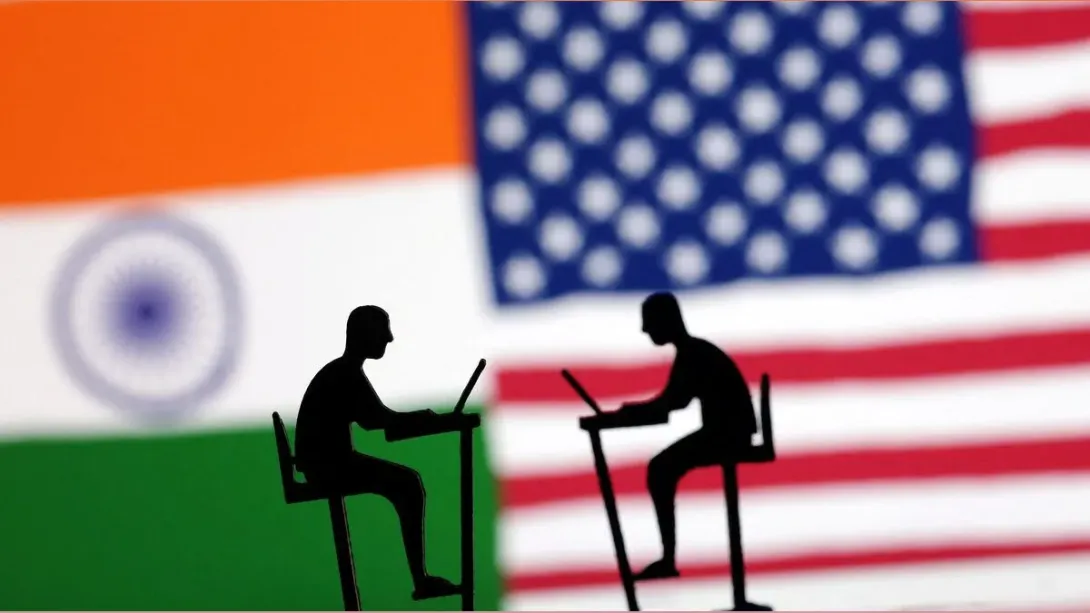
India is preparing to send an official delegation to Washington next week to advance discussions on a proposed interim trade agreement with the United States. The visit comes at a crucial juncture, as both countries have already outlined a framework for the pact but are awaiting clarity on evolving tariff policies. Recent shifts in the U.S. tariff landscape, influenced by a Supreme Court ruling, have delayed the agreement’s formal signing. The upcoming talks are expected to refine key provisions, align trade priorities, and accelerate progress toward finalization, underscoring the growing strategic and economic partnership between the two nations.
High-Stakes Trade Talks Set to Resume
India will send a high-level delegation to Washington in the coming days to engage in bilateral trade negotiations with U.S. officials. The discussions are viewed as a critical step toward advancing an interim trade agreement that both sides have been working on for several months.
Officials familiar with the matter indicate that the framework for the agreement has already been finalized, but certain elements require further alignment before the pact can be formally signed. The upcoming visit is expected to address these outstanding issues and move the process closer to completion.
Framework Agreement Already in Place
The interim trade pact represents a structured effort to deepen economic cooperation between India and the United States. While details remain under negotiation, the agreement is expected to cover key areas such as tariff adjustments, market access, and trade facilitation measures.
The existence of a finalized framework suggests that both countries have reached a broad consensus on the direction of the agreement. However, final execution hinges on external developments, particularly those affecting global trade policies and tariff structures.
Tariff Uncertainty Delays Final Signing
One of the primary reasons for the delay in signing the agreement is the evolving tariff environment in the United States. A recent Supreme Court ruling has prompted changes in tariff policies, creating uncertainty around the structure of future trade measures.
As a result, both sides have opted to wait until a clearer tariff architecture emerges before formalizing the deal. This cautious approach reflects the importance of ensuring that the agreement remains aligned with the latest regulatory and policy frameworks.
Strategic Importance of the Bilateral Pact
The proposed interim trade agreement holds significant economic and geopolitical value. Strengthening trade ties between India and the United States can unlock new opportunities for investment, enhance supply chain resilience, and support economic growth in both countries.
Analysts note that the pact could serve as a stepping stone toward a more comprehensive trade agreement in the future. By addressing immediate trade concerns and building trust, the interim deal lays the groundwork for deeper long-term collaboration.
Outlook: Momentum Likely to Continue
The upcoming visit by India’s delegation signals continued momentum in bilateral trade relations, despite temporary delays. Both countries appear committed to advancing the agreement once policy uncertainties are resolved.
Market observers expect that once the U.S. tariff framework stabilizes, the interim pact could be signed swiftly, paving the way for expanded trade engagement. The next round of talks in Washington is therefore likely to play a pivotal role in shaping the timeline and final contours of the agreement.
Conclusion
India’s decision to send a delegation to Washington highlights the strategic importance of its trade relationship with the United States. As both nations navigate evolving global trade dynamics, the interim agreement represents a pragmatic step toward strengthening economic ties.
While tariff uncertainties have delayed its signing, the continued dialogue suggests that both sides remain aligned in their objectives. The outcome of the upcoming negotiations could mark a significant milestone in advancing bilateral trade cooperation in an increasingly complex global economic environment.
Comments