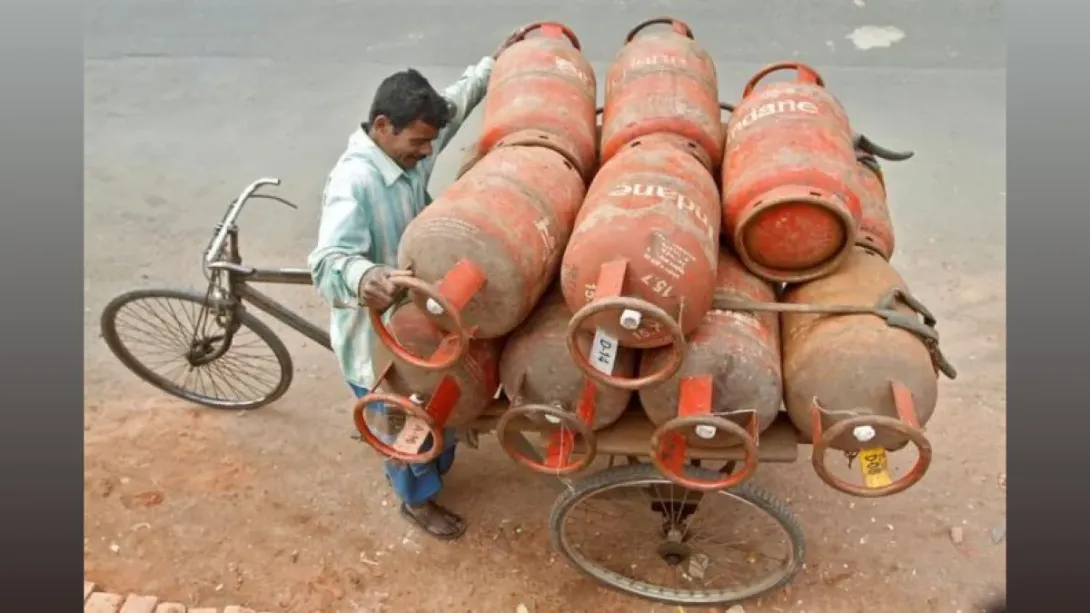
India’s liquefied petroleum gas (LPG) market is gradually returning to equilibrium after a period of intense demand triggered by global supply disruptions and domestic panic buying. A senior official indicated that with the onset of summer and improved supply conditions, demand for cooking gas is normalizing. At the height of the crisis, daily refill bookings surged to over 88 lakh, nearly double the usual 45 lakh. Government intervention, including prioritizing household consumption over commercial use, played a crucial role in stabilizing availability and restoring consumer confidence in the country’s essential energy supply system.
Supply Stabilization Signals Return to Normalcy
India’s LPG market is witnessing a steady normalization following weeks of heightened volatility. Increased domestic availability, coupled with seasonal demand moderation, has eased pressure on supply chains. The arrival of summer traditionally reduces LPG consumption, particularly in urban households, contributing to a gradual decline in refill demand.
Officials indicate that the supply-demand balance is now stabilizing, suggesting that the worst phase of the recent disruption may be over. This development offers relief to both policymakers and consumers who had grappled with uncertainty in recent weeks.
Global Disruptions Trigger Domestic Ripple Effects
The recent surge in LPG demand can be traced to geopolitical tensions in West Asia, a region critical to global energy supplies. Disruptions in this corridor impacted the availability of liquefied petroleum gas imports, creating supply-side constraints in India.
Given the country’s reliance on imports to meet a significant portion of its LPG needs, global instability quickly translated into domestic challenges. The situation underscores the vulnerability of energy supply chains to geopolitical developments and highlights the importance of strategic reserves and diversified sourcing.
Government Intervention Prioritizes Households
In response to the supply crunch, authorities implemented targeted measures to safeguard domestic consumption. Supplies to commercial establishments, including hotels and restaurants, were curtailed to ensure that household kitchens remained adequately stocked.
This prioritization strategy proved effective in maintaining essential access, although it also contributed to heightened anxiety among consumers. The perception of scarcity often amplifies demand, creating a feedback loop that further strains supply systems.
Panic Buying Drives Unprecedented Demand Spike
At the peak of the disruption, daily LPG refill bookings surged dramatically, crossing 88 lakh compared with a pre-crisis average of approximately 45 lakh per day. This sharp increase reflects a classic case of panic buying, where consumers rush to secure essential commodities amid fears of shortage.
Such demand spikes place immense pressure on distribution networks, often leading to temporary bottlenecks even when overall supply remains sufficient. The episode highlights the behavioral dynamics that can influence market conditions during periods of uncertainty.
Seasonal Factors Aid Demand Correction
The onset of summer has played a pivotal role in easing demand pressures. Warmer temperatures typically reduce cooking gas consumption, particularly in regions where alternative cooking methods or reduced cooking frequency come into play.
This seasonal decline, combined with improved supply flows, has helped bring booking levels closer to historical norms. As a result, distribution channels are gradually clearing backlogs created during the peak demand phase.
Lessons for Energy Security and Market Stability
The recent LPG demand surge offers important insights into India’s energy security framework. While swift government intervention helped mitigate immediate risks, the episode underscores the need for long-term strategies to enhance resilience.
Investments in storage infrastructure, diversification of import sources, and improved demand forecasting could help reduce vulnerability to external shocks. Equally important is clear communication during crises to prevent panic-driven demand surges.
Outlook: A More Balanced Energy Landscape
As supply conditions stabilize and demand normalizes, India’s LPG market appears to be entering a more balanced phase. While geopolitical uncertainties remain an ongoing risk, the current trajectory suggests improved preparedness and responsiveness.
For consumers, the easing of supply concerns is likely to restore confidence, while policymakers may use this experience to strengthen frameworks that ensure stability in the face of future disruptions.
Comments