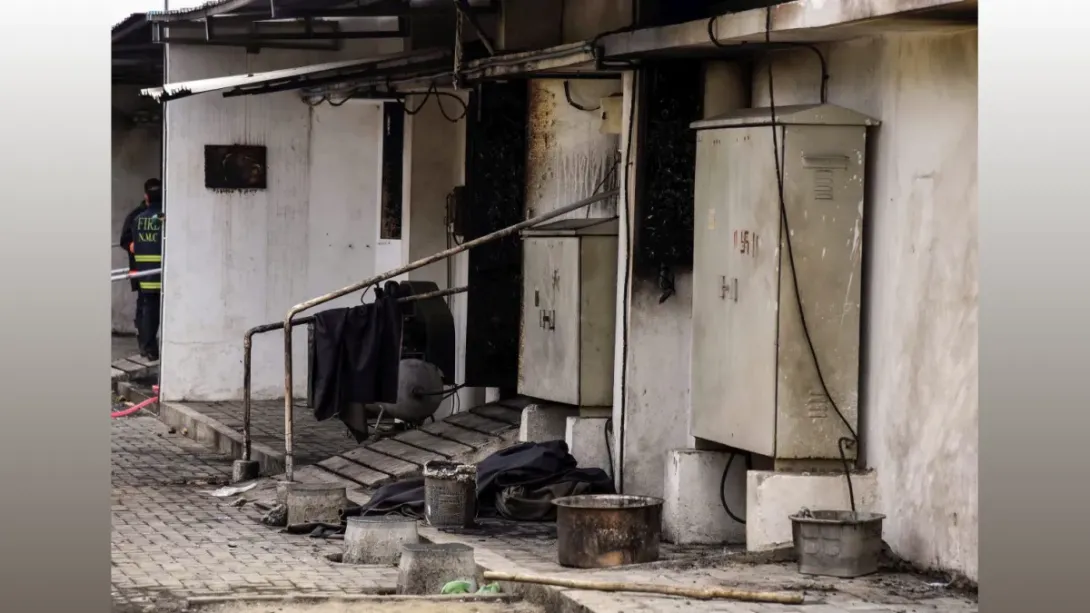
A tragic boiler explosion at a Vedanta power facility in Chhattisgarh, which claimed 23 lives, has triggered legal, corporate, and public scrutiny. Anil Agarwal, chairman of Vedanta Group, has been named in a police complaint under serious legal provisions, including negligence-related charges. Industrialist Naveen Jindal has called for a thorough investigation before assigning responsibility. The incident raises broader concerns about industrial safety standards, corporate governance, and accountability in high-risk sectors, as authorities begin a detailed probe into the circumstances surrounding the accident.
Fatal Industrial Accident Sparks Legal Action
The boiler explosion at a Vedanta-operated power plant in Chhattisgarh’s Sakti district has emerged as a major industrial tragedy, resulting in the loss of 23 lives. The scale of the incident has prompted swift legal action, with authorities registering a case under stringent provisions of the Indian Penal Code, including charges related to causing death due to negligence.
The inclusion of Vedanta Chairman Anil Agarwal in the complaint has intensified the focus on corporate accountability, particularly at the highest levels of management.
Call for Due Process and Evidence-Based Inquiry
Naveen Jindal, a prominent figure in India’s industrial landscape, has urged caution in assigning blame, emphasizing the need for a comprehensive and evidence-driven investigation. His remarks highlight a broader industry perspective that stresses due process, especially in complex industrial incidents where multiple operational and technical factors may be involved.
Such calls reflect the importance of distinguishing between systemic failures and individual responsibility, ensuring that conclusions are grounded in verified findings rather than preliminary assumptions.
Regulatory and Governance Implications
The case has brought renewed attention to industrial safety norms and regulatory oversight in sectors involving heavy machinery and high-risk operations. Power plants, in particular, operate under stringent safety protocols, and any lapse can have severe consequences.
The incident is likely to prompt regulatory authorities to re-examine compliance standards, audit mechanisms, and enforcement practices to prevent similar occurrences in the future.
Corporate Accountability Under Scrutiny
The involvement of senior leadership in legal proceedings underscores the evolving expectations around corporate governance in India. Increasingly, stakeholders are demanding greater accountability from top executives, particularly in matters involving safety and operational integrity.
For large conglomerates like Vedanta Group, such developments can have significant reputational and financial implications, influencing investor sentiment and stakeholder confidence.
Impact on Industry and Investor Sentiment
Industrial accidents of this magnitude often have ripple effects across the sector, affecting not only the company involved but also the broader perception of safety standards in the industry. Investors tend to monitor such घटनाओं closely, as they may signal underlying risks related to compliance and operational management.
In the near term, the focus will remain on the investigation’s findings and the steps taken by the company to address safety concerns and support affected families.
Outlook: Emphasis on Safety and Transparency
As the investigation progresses, transparency and accountability will be critical in restoring trust. Authorities are expected to conduct a detailed technical and forensic analysis to determine the root cause of the explosion and identify any lapses.
The outcome could lead to stricter enforcement of safety regulations and potentially reshape industry practices, reinforcing the need for robust risk management frameworks.
Conclusion: A Defining Moment for Industrial Governance
The Chhattisgarh boiler blast represents a sobering reminder of the risks inherent in industrial operations. As legal proceedings unfold and investigations deepen, the case is poised to become a benchmark for how accountability is established in such problems.
Balancing the need for justice with adherence to due process will be essential, not only for those directly involved but also for strengthening the credibility of India’s industrial and regulatory ecosystem.
Comments