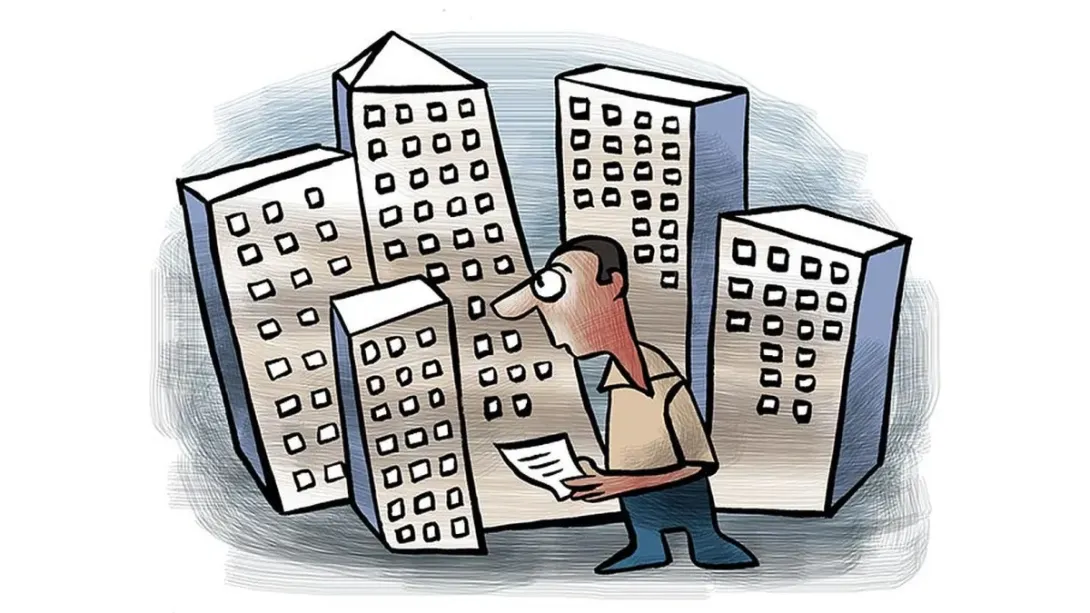
India’s residential real estate market is witnessing a structural shift, with affordable housing sales declining sharply in early 2026 even as premium segments continue to gain traction. Data indicates a 23 percent year-on-year drop in homes priced below Rs 50 lakh across major urban centers, driven largely by constrained supply and rising input costs. Mid-income housing has also softened, signaling broader demand recalibration.
Developers, facing elevated land and construction expenses, are pivoting toward higher-margin luxury projects. This evolving landscape reflects changing consumer preferences, post-pandemic wealth dynamics, and a reorientation of capital within the housing sector.
Affordable Housing Faces Sharp Contraction
India’s affordable housing segment, long considered the backbone of residential demand, recorded a notable downturn in the January–March quarter of 2026. Sales of homes priced under Rs 50 lakh fell by 23 percent year-on-year to 16,273 units across eight major cities.
This decline marks one of the steepest contractions in recent years and underscores the growing imbalance between demand potential and actual supply. While affordability remains a pressing concern for a large segment of buyers, the availability of suitable inventory has significantly diminished.
Mid-Segment Also Under Pressure
The slowdown is not confined to entry-level housing. Properties in the Rs 50 lakh to Rs 1 crore bracket also witnessed a decline of 12 percent, with total sales falling to 23,567 units during the same period.
This suggests a broader recalibration in buyer sentiment, where even middle-income purchasers are either postponing decisions or shifting preferences toward higher-quality, premium offerings. Market observers note that rising borrowing costs and economic uncertainties may also be contributing to this cautious approach.
Supply Constraints and Cost Pressures
Developers cite escalating input costs—particularly land acquisition and raw materials—as a primary reason for reduced launches in the affordable segment. Margins in this category have tightened considerably, making it less attractive for builders compared to premium developments.
Construction costs have risen steadily over the past few years, compressing profitability and forcing developers to reassess project pipelines. As a result, fewer new affordable housing projects are entering the market, exacerbating the supply-demand mismatch.
Post-Pandemic Shift Toward Luxury Housing
In contrast, the luxury housing segment has emerged as a strong growth driver. Post-pandemic changes in consumer behavior, including a preference for larger homes, better amenities, and improved living standards, have boosted demand for high-end properties.
Developers are increasingly allocating capital toward premium projects, where higher margins and stronger demand visibility offer greater financial security. This strategic shift is reshaping the overall composition of India’s housing market.
Geographic Spread of the Decline
The downturn in affordable housing sales has been uniform across major metropolitan regions, including Mumbai, Delhi-NCR, Pune, Bengaluru, Hyderabad, Chennai, Ahmedabad, and Kolkata.
The widespread nature of the decline indicates systemic challenges rather than localized disruptions. It also highlights the need for policy interventions to revive supply and improve affordability in urban housing markets.
Outlook: Structural Realignment Ahead
The current trends suggest that India’s housing market is undergoing a structural transformation rather than a temporary slowdown. The widening gap between affordable housing demand and supply could have long-term implications for urban development and social equity.
To address these challenges, industry stakeholders and policymakers may need to collaborate on incentives, cost rationalization measures, and regulatory reforms. Without such interventions, the affordable housing segment risks losing its central role in driving inclusive growth within the real estate sector.
Comments