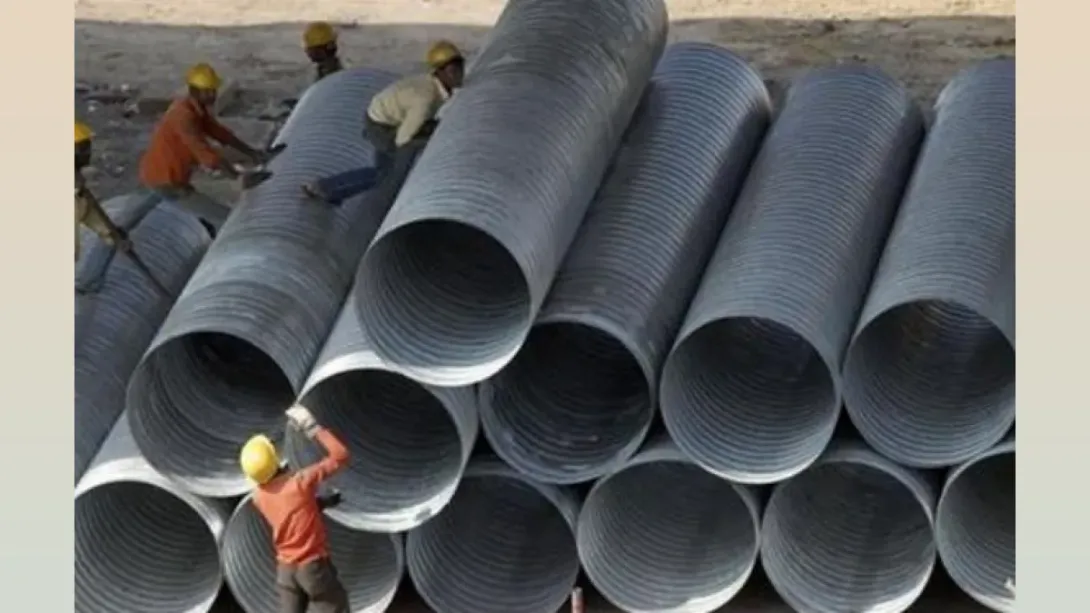
Jindal Steel reported a sharp turnaround in financial performance for the quarter ended March 2026, posting a consolidated net profit of Rs. 1,041 crore compared to a loss in the previous year. The growth was fueled by robust revenue expansion and record sales volumes. Total income rose 25 percent year-on-year, reflecting strong demand and operational efficiency. On a sequential basis, profit increased fivefold, signaling improved momentum. For the full financial year, the company delivered steady earnings growth, highlighting resilience in a cyclical industry and strengthening its position in India’s steel sector.
Strong Quarterly Turnaround
Jindal Steel delivered a notable recovery in the January–March 2026 quarter, reporting a consolidated net profit of Rs. 1,041 crore. This marks a significant reversal from a loss of Rs. 304 crore in the corresponding quarter of the previous financial year.
The turnaround underscores the company’s ability to navigate industry volatility and capitalize on favorable market conditions. Improved operational efficiency and higher sales volumes were key contributors to this performance.
Revenue Growth Anchored by Record Sales
The company’s total income rose 25 percent year-on-year to Rs. 16,484.28 crore, up from Rs. 13,254.94 crore in the same quarter of FY25. This increase reflects strong demand across key segments and the company’s focus on scaling production.
Record sales volumes played a central role in driving revenue growth, indicating a recovery in both domestic and international steel markets. The performance suggests that Jindal Steel has effectively aligned its production strategy with market demand.
Sequential Momentum Gains
On a quarter-on-quarter basis, the company reported a fivefold increase in net profit, rising from Rs. 189 crore in the October–December quarter of FY26. This sharp improvement highlights accelerating momentum in the latter half of the financial year.
Such sequential growth often signals enhanced operational stability and improved cost management, both of which are critical in a capital-intensive industry like steel manufacturing.
Full-Year Performance Reflects Stability
For the full financial year 2025-26, Jindal Steel reported a net profit of Rs. 3,361 crore, representing an increase of approximately 20 percent from Rs. 2,846 crore in the previous year.
This steady annual growth demonstrates the company’s resilience amid fluctuating raw material costs and global demand cycles. It also reflects effective strategic planning and execution over the long term.
Industry Context and Strategic Implications
The steel sector is inherently cyclical, influenced by factors such as infrastructure spending, construction activity, and global economic trends. Jindal Steel’s performance indicates a favorable demand environment, supported by ongoing infrastructure development in India.
From a strategic perspective, sustained profitability enhances the company’s ability to invest in capacity expansion, technology upgrades, and sustainability initiatives. It also strengthens its competitive position in both domestic and export markets.
Investor Confidence and Market Outlook
The strong quarterly and annual results are likely to boost investor confidence, as consistent earnings growth is a key driver of valuation in capital-intensive industries.
Looking ahead, the company’s ability to maintain growth will depend on managing input costs, optimizing supply chains, and adapting to evolving market conditions. Continued focus on operational efficiency and demand alignment will be essential.
Conclusion: A Resilient Performance in a Cyclical Industry
Jindal Steel’s return to profitability and strong financial performance in FY26 highlight its resilience and strategic agility. The combination of record sales, revenue growth, and improved margins positions the company well for future expansion.
As the steel sector continues to evolve, maintaining this momentum will be crucial. For now, the company’s results signal a positive trajectory, reinforcing its standing as a key player in India’s industrial landscape.
Comments