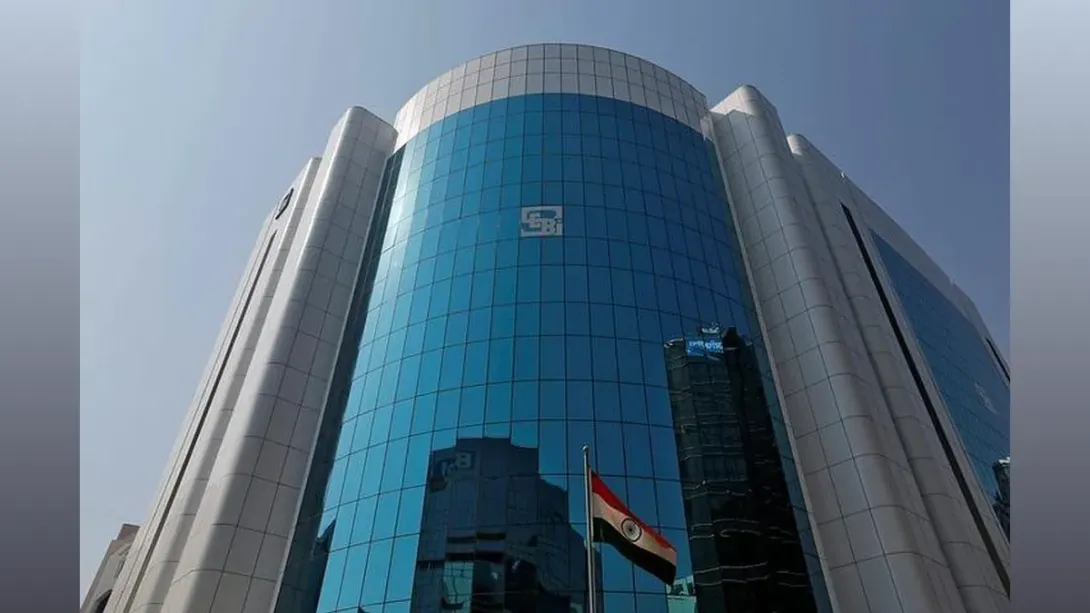
India’s capital markets regulator, Securities and Exchange Board of India, has proposed extending the early pay-in (EPI) facility to options contracts in the commodity derivatives segment, aiming to enhance market efficiency and risk management. Currently limited to futures contracts, the mechanism allows participants to deposit certified goods in advance against sold positions. By broadening this framework, SEBI seeks to improve liquidity, streamline settlement processes, and reduce counterparty risk. The move is expected to strengthen India’s commodity trading ecosystem, offering greater flexibility to hedgers, traders, and institutional participants in a rapidly evolving financial marketplace.
Expanding the Early Pay-In Framework
In a significant regulatory development, SEBI has unveiled a proposal to extend the early pay-in facility—traditionally available for futures contracts—to options contracts within the commodity derivatives market. The initiative reflects the regulator’s intent to modernize trading infrastructure and align India’s markets with global best practices.
The early pay-in mechanism enables traders to fulfill settlement obligations ahead of schedule by depositing underlying assets—in this case, certified commodities—into accredited warehouses. This pre-emptive approach reduces settlement risk and enhances transparency in trading operations.
Operational Mechanics: How the Proposal Works
Under the proposed framework, clearing corporations will facilitate the early pay-in process for options sellers by accepting certified goods stored in approved warehouses. These deposits will serve as collateral against derivative positions, ensuring that obligations are backed by tangible assets.
This system not only mitigates counterparty risk but also optimizes capital utilization for market participants. By allowing early settlement of obligations, traders can potentially reduce margin requirements and improve liquidity management.
From a financial engineering perspective, the extension of EPI to options contracts introduces greater flexibility in structuring trades, particularly for participants engaged in complex hedging strategies.
Market Impact: Liquidity and Risk Efficiency
The introduction of early pay-in for options is expected to have a multi-dimensional impact on the commodity derivatives market. First, it could enhance liquidity by encouraging greater participation from institutional investors and hedgers who value efficient settlement mechanisms.
Second, the reduction in settlement risk may lead to tighter bid-ask spreads and improved price discovery. In markets where volatility is often driven by external factors such as global commodity prices and geopolitical developments, such efficiencies are critical.
Moreover, the move aligns with broader regulatory objectives of strengthening market integrity and reducing systemic vulnerabilities.
Strategic Context: Strengthening Commodity Ecosystems
India’s commodity derivatives market has been undergoing gradual transformation, with regulators focusing on improving infrastructure, transparency, and investor confidence. The proposed extension of the EPI facility is part of this broader reform agenda.
By enabling participants to leverage physical assets more effectively, SEBI is bridging the gap between spot and derivatives markets. This integration is essential for creating a robust trading ecosystem that supports both speculative and hedging activities.
In economic terms, a well-functioning commodity market contributes to price stability, efficient resource allocation, and better risk management for producers and consumers alike.
Industry Perspective: Opportunities and Considerations
Market participants are likely to स्वागत the proposal, particularly those involved in physical commodity trading. The ability to use certified goods as early settlement instruments can improve cash flow management and reduce reliance on financial margins.
However, the implementation will require robust operational frameworks, including standardized warehouse accreditation, quality certification processes, and efficient clearing mechanisms. Ensuring consistency across these elements will be key to the success of the initiative.
Conclusion: A Step Toward Market Maturity
SEBI’s proposal to extend the early pay-in facility to options contracts represents a forward-looking step in the evolution of India’s commodity derivatives market. By enhancing settlement efficiency and reducing risk, the move has the potential to attract broader participation and deepen market liquidity.
As the consultation process unfolds, stakeholder feedback will shape the final framework. If implemented effectively, the initiative could mark a significant milestone in aligning India’s commodity markets with global standards—strengthening their role in the broader financial ecosystem measured in Rs. and resilience.
Comments