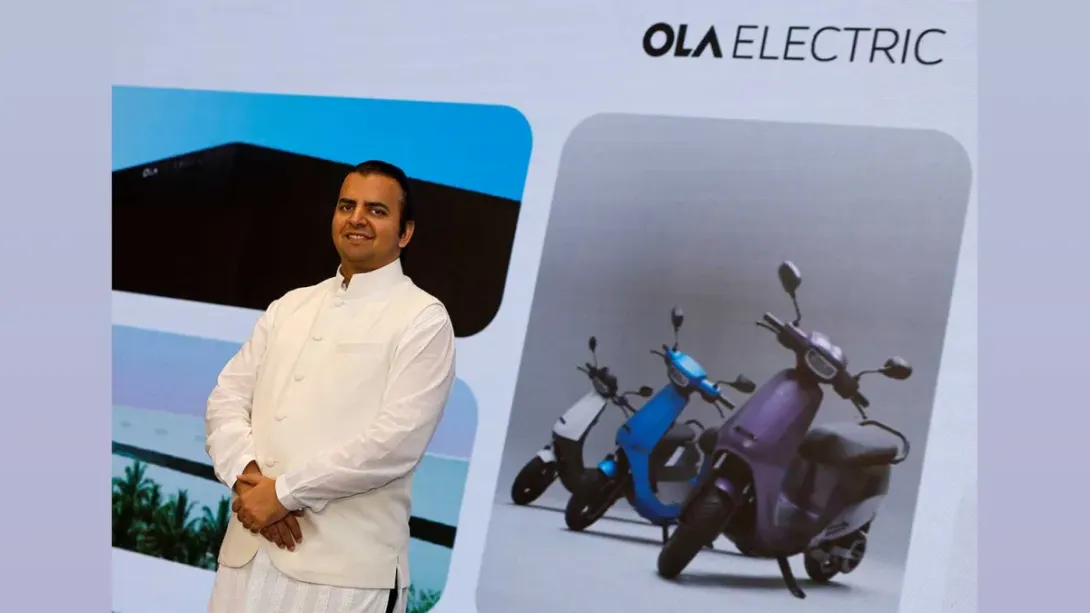
Ola Electric Mobility Ltd has approved a major capital infusion of Rs 2,000 crore into its technology and battery subsidiaries as the company accelerates efforts to strengthen its position in India’s rapidly evolving electric vehicle market. The investment, cleared during a board meeting on May 15, includes Rs 500 crore allocated to Ola Cell Technologies Pvt Ltd through compulsory convertible preference shares. The move reflects Ola Electric’s long-term strategy to deepen vertical integration, enhance battery manufacturing capabilities, and expand proprietary technology infrastructure. Industry analysts view the decision as part of a broader effort to secure technological independence and improve competitiveness in India’s growing EV ecosystem.
Ola Electric Accelerates Strategic Investment Plans
Ola Electric Mobility Ltd has taken another significant step toward strengthening its electric mobility ecosystem by approving a combined investment of Rs 2,000 crore across its core technology and battery subsidiaries.
The decision was cleared during the company’s board meeting held on May 15, according to a regulatory filing released by the company.
As part of the approved investment structure, Ola Electric sanctioned Rs 500 crore for Ola Cell Technologies Pvt Ltd through the issuance of 50 crore compulsory convertible preference shares with a face value of Rs 10 each issued at par.
The broader investment package also includes funding support for Ola Electric Technologies Pvt Ltd as the company intensifies efforts to expand technological infrastructure and manufacturing capacity.
Battery Technology Emerging as Strategic Priority
The fresh capital allocation highlights Ola Electric’s growing emphasis on battery technology, which is increasingly viewed as the most critical component of the global electric vehicle supply chain.
Industry experts note that battery manufacturing capability has become a defining competitive advantage in the EV industry due to its direct impact on cost structures, supply chain security, vehicle range, and long-term profitability.
By strengthening Ola Cell Technologies, the company appears focused on building deeper in-house capabilities rather than relying extensively on external battery suppliers.
This approach aligns with broader global trends where EV manufacturers are aggressively pursuing vertical integration strategies to gain greater control over production efficiency and technological innovation.
Analysts believe such investments could improve Ola Electric’s long-term operational flexibility while reducing vulnerability to supply chain disruptions and raw material volatility.
Vertical Integration Becoming Central to EV Competition
Ola Electric’s investment strategy reflects the growing importance of vertical integration within the electric mobility sector.
Unlike traditional automotive manufacturing models, the EV industry increasingly rewards companies capable of controlling critical technology layers, including battery cells, software systems, charging ecosystems, and powertrain engineering.
By investing simultaneously in both technology development and battery infrastructure, Ola Electric is positioning itself to strengthen multiple segments of its operational value chain.
This strategy may also help the company improve margins over time by reducing dependency on imported technologies and external component providers.
Market observers note that the ability to localize production and technology development could become especially important in India, where government policy continues encouraging domestic manufacturing under broader industrial and sustainability initiatives.
India’s EV Industry Entering High-Investment Phase
The latest announcement comes during a transformative period for India’s electric vehicle sector, which is witnessing rising investment activity across manufacturing, battery development, and charging infrastructure.
India’s EV market remains at a relatively early stage compared to more mature global markets, but growth expectations remain substantial due to increasing environmental awareness, policy incentives, and improving consumer acceptance.
Automakers and mobility companies are now competing not only on product design and pricing but also on technological scalability and ecosystem development.
Ola Electric’s latest investment underscores how companies operating in the sector are prioritizing long-term infrastructure building rather than focusing solely on near-term vehicle sales.
Industry analysts suggest that firms capable of developing integrated technology ecosystems may ultimately emerge as dominant players as competition intensifies over the coming decade.
Regulatory Filing Signals Long-Term Capital Commitment
The company’s regulatory filing outlining the issuance of compulsory convertible preference shares also signals a structured long-term capital allocation strategy.
Such instruments are often used to support growth-stage subsidiaries while maintaining financial flexibility and preserving strategic control within expanding business verticals.
The Rs 500 crore investment into Ola Cell Technologies indicates management’s confidence in the future commercial relevance of domestic battery production capabilities.
As battery costs continue to influence EV affordability globally, companies investing aggressively in battery innovation are increasingly viewed as better positioned for long-term scalability.
Financial analysts note that securing technological independence in battery manufacturing could become a decisive differentiator within India’s competitive EV landscape.
Competitive Pressure Driving Technology Investments
Ola Electric’s investment announcement also reflects the intensifying competitive environment within India’s electric mobility industry.
Multiple domestic and international players are expanding operations across electric two-wheelers, passenger vehicles, and battery technologies, creating pressure on companies to accelerate innovation cycles and strengthen operational capabilities.
In this environment, sustained capital expenditure is becoming essential for maintaining relevance and market share.
The company’s focus on technology and battery infrastructure suggests a strategic attempt to move beyond assembly-driven operations toward a more integrated and innovation-led business model.
Such positioning could prove important as customer expectations evolve toward better range, improved reliability, faster charging capabilities, and smarter connected mobility systems.
Long-Term Vision Extends Beyond Vehicle Manufacturing
The latest investment decision indicates that Ola Electric’s broader ambitions extend beyond manufacturing electric scooters and vehicles.
The company appears increasingly focused on building a comprehensive mobility and energy ecosystem that combines manufacturing, battery technology, software integration, and infrastructure development under a unified framework.
Industry experts note that the future of electric mobility will likely be shaped by ecosystem strength rather than standalone vehicle production alone.
Companies capable of controlling multiple layers of the value chain are expected to enjoy stronger operational resilience, improved margins, and greater technological adaptability.
Ola Electric’s aggressive capital deployment therefore reflects not only confidence in India’s EV future but also a strategic attempt to secure long-term positioning within one of the country’s fastest-evolving industrial sectors.
Comments