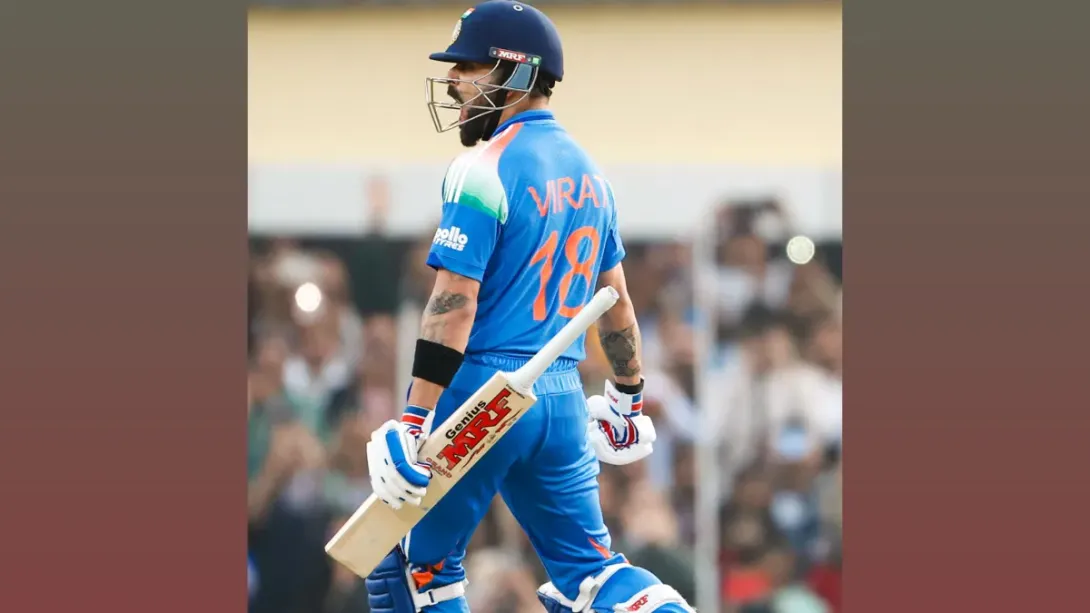
The financial ecosystem surrounding the Indian Premier League continues to expand at an extraordinary pace, reinforcing the tournament’s position as one of the world’s most commercially powerful sporting properties. A new industry assessment has identified Virat Kohli as the league’s highest-earning player, with cumulative earnings estimated at Rs 230 crore through his long-standing association with Royal Challengers Bengaluru. Meanwhile, Kolkata Knight Riders has emerged as the most valuable IPL franchise, highlighting the league’s explosive growth in media rights, sponsorships, fan engagement, and franchise economics.
IPL Evolves Into a Multi-Billion-Dollar Sports Economy
What began nearly two decades ago as an ambitious domestic T20 cricket competition has transformed into a global sports and entertainment powerhouse. The Indian Premier League now stands among the world’s most financially influential sporting leagues, competing with major international properties in terms of commercial scale, audience reach, and brand value.
According to a recent industry analysis, the combined valuation of all 10 IPL franchises has climbed to approximately Rs 1.63 lakh crore, reflecting the league’s accelerating economic influence across sports, media, advertising, and digital entertainment sectors.
The growth trajectory highlights how cricket in India has evolved far beyond sport, becoming a major driver of consumer engagement, corporate investment, and celebrity-driven brand economics.
Virat Kohli Becomes IPL’s Highest-Earning Player
Among the league’s biggest financial success stories, Virat Kohli has emerged as the highest cumulative earner in IPL history.
The former India captain and global cricket icon has reportedly generated approximately Rs 230 crore through his long-standing association with Royal Challengers Bengaluru. Kohli’s enduring commercial appeal, consistent on-field performances, and global brand recognition have made him one of the most marketable athletes in international cricket.
His association with the Bengaluru franchise has become one of the defining player-franchise relationships in modern sports business.
Beyond direct playing contracts, Kohli’s presence has significantly enhanced:
Sponsorship attractiveness
Merchandise sales
Digital audience engagement
Broadcast visibility
Franchise brand equity
Analysts note that star athletes increasingly function as commercial ecosystems within modern sports leagues.
Kolkata Knight Riders Lead Franchise Valuations
The valuation rankings place Kolkata Knight Riders at the top of the IPL franchise hierarchy, with an estimated valuation exceeding Rs 19,200 crore.
The franchise, associated with Shah Rukh Khan, has successfully combined cricket, entertainment, celebrity branding, and global marketing to build one of the strongest commercial identities within the tournament.
Closely following KKR are:
Mumbai Indians valued at approximately Rs 18,400 crore
Chennai Super Kings also valued near Rs 18,400 crore
These franchises have built massive fan ecosystems supported by consistent sporting success, aggressive commercial expansion, and long-term brand positioning.
Media Rights and Sponsorships Drive Explosive Growth
The IPL’s financial rise has been fueled primarily by:
Multi-billion-rupee broadcasting agreements
Digital streaming partnerships
Corporate sponsorship deals
Franchise merchandising
International audience expansion
The league’s ability to attract advertisers and digital audiences has dramatically increased its enterprise value over the past decade.
Sports economists increasingly view the IPL not simply as a cricket tournament, but as a large-scale entertainment and media business capable of generating year-round commercial engagement.
Franchise Valuations Projected to Surge Further
Industry projections suggest IPL franchise values could rise even more sharply over the next several years.
The report estimates that the average valuation of an IPL franchise could climb from approximately USD 1.8 billion currently to nearly USD 15 billion by 2032.
Such projections reflect growing optimism surrounding:
India’s expanding digital economy
Rising sports consumption
Increasing global cricket commercialization
International investor interest in franchise sports
The IPL’s young demographic profile and massive social media reach continue making it highly attractive to advertisers and investors.
Celebrity Ownership and Business Expansion
Celebrity ownership has become a defining feature of the IPL’s commercial structure.
High-profile investors and public figures have helped franchises expand beyond cricket into:
Fashion collaborations
Digital content ecosystems
Entertainment partnerships
International fan engagement campaigns
This blend of sports and entertainment has elevated the IPL into a broader cultural and commercial phenomenon.
IPL’s Influence on Global Sports Business
The IPL’s financial success is increasingly influencing sports leagues worldwide.
Its franchise model has demonstrated how:
Short-format sports
Digital-first broadcasting
Celebrity branding
Data-driven fan engagement
can create enormous commercial value within relatively short seasonal competitions.
Global investors now increasingly view sports franchises as high-growth entertainment assets rather than merely competitive teams.
The Future of the IPL Economy
As media consumption patterns evolve and digital platforms expand, the IPL appears positioned for continued long-term financial growth.
Future expansion areas may include:
International franchise partnerships
AI-driven fan experiences
Metaverse and virtual engagement platforms
Global streaming monetization
Sports technology investments
The league’s economic rise reflects broader changes occurring across global entertainment industries, where sports, celebrity culture, technology, and digital commerce are becoming deeply interconnected.
Ultimately, the IPL’s extraordinary valuation growth demonstrates how modern sports leagues have evolved into sophisticated global business enterprises capable of shaping media, advertising, and entertainment economies far beyond the boundaries of the playing field.
Comments