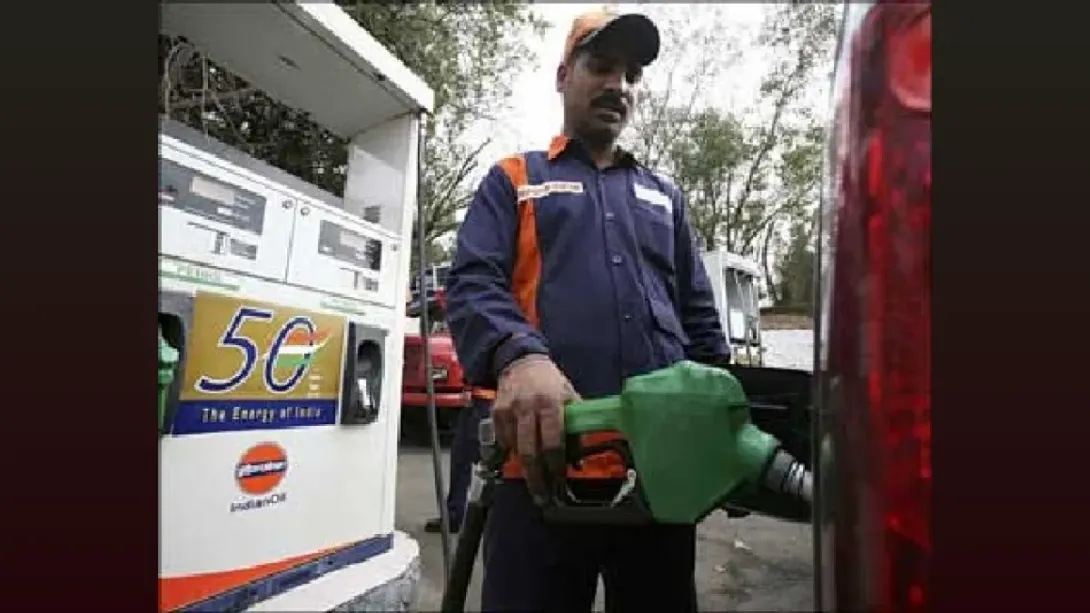
Indian Oil Corporation has reassured consumers that India is not facing any nationwide shortage of petrol or diesel despite temporary disruptions reported at a limited number of fuel stations. The company attributed isolated supply pressures to sharply rising seasonal demand, customer migration from private fuel retailers, and increased institutional purchases at public sector outlets. According to the company, petrol demand rose approximately 14 per cent year-on-year during May 1-22, while diesel consumption increased nearly 18 per cent. The development highlights the growing complexity of India’s fuel distribution landscape as energy demand patterns evolve amid changing market conditions and pricing dynamics.
Indian Oil Moves to Calm Fuel Supply Concerns
India’s largest fuel retailer has moved to reassure consumers and commercial buyers that the country continues to maintain adequate petrol and diesel inventories despite temporary supply disruptions observed at select fuel stations.
Indian Oil Corporation stated that the issues reported in some areas were highly localized and stemmed from short-term regional demand-supply imbalances rather than any structural shortage of fuel nationwide.
The company emphasized that the overwhelming majority of its network of more than 42,000 retail outlets continued operating normally with sufficient fuel availability.
The clarification comes amid heightened public concern following reports of increased activity and occasional shortages at isolated retail stations in several regions.
Seasonal Demand Surge Driving Fuel Consumption
The company attributed the recent pressure primarily to exceptionally strong growth in fuel demand, particularly diesel consumption linked to seasonal agricultural activity.
According to the company:
Petrol sales between May 1 and May 22 rose approximately 14 per cent year-on-year
Diesel demand increased nearly 18 per cent during the same period
Industry observers noted that harvesting activity across agricultural regions traditionally drives seasonal spikes in diesel consumption due to increased use of:
Farm machinery
Transportation vehicles
Agricultural logistics systems
India’s economy remains heavily dependent on diesel for transportation, agriculture, logistics, and industrial activity, making seasonal fluctuations particularly significant.
Price Differences Influencing Consumer Behavior
Another major factor contributing to shifting demand patterns has been pricing disparities between public sector and private fuel retailers.
The company indicated that many consumers temporarily migrated toward public sector fuel stations where retail prices were comparatively lower than some private retail outlets.
At the same time, institutional and commercial buyers increasingly shifted purchases toward state-owned retailers as bulk fuel supplies aligned more closely with elevated international market prices.
This redistribution of demand created unusually high traffic at specific locations, leading to localized supply pressures.
Analysts say such migration patterns demonstrate how sensitive fuel purchasing behavior has become amid fluctuating global energy prices.
Public Sector Fuel Retailers Under Increased Pressure
State-owned oil marketing companies continue playing a dominant role within India’s fuel distribution ecosystem.
Public sector firms frequently absorb heightened demand during periods of:
Price volatility
Supply disruptions
Geopolitical uncertainty
Seasonal consumption spikes
Industry experts note that government-backed fuel retailers often become preferred supply sources for both retail consumers and institutional buyers during periods of market imbalance.
The current situation highlights the operational importance of India’s extensive fuel distribution infrastructure in maintaining energy stability across a vast and rapidly growing economy.
Localised Disruptions Not Indicative of National Crisis
Indian Oil stressed that only a very small number of outlets experienced temporary disruptions and that overall national inventories remain sufficient.
The company said it is:
Closely monitoring regional supply conditions
Redistributing fuel stocks where necessary
Coordinating logistics to stabilize affected areas
Maintaining uninterrupted nationwide supply operations
Energy analysts note that localized supply disruptions are not uncommon during periods of sudden demand acceleration, especially within large-scale retail distribution systems.
Global Energy Market Volatility Still Influencing Domestic Trends
The situation also reflects broader global pressures affecting energy markets.
International crude oil prices continue responding to:
Geopolitical tensions
Supply chain disruptions
Production adjustments by oil-producing nations
Global economic uncertainty
Higher international fuel prices can influence domestic procurement patterns, institutional purchasing strategies, and retail consumer behavior.
India, as one of the world’s largest energy importers, remains particularly sensitive to changes in global oil market dynamics.
Fuel Demand Reflects Strength in Economic Activity
Strong growth in petrol and diesel consumption is also being interpreted as an indicator of sustained economic activity across India.
Rising fuel demand often correlates with:
Increased transportation activity
Expanding industrial output
Agricultural operations
Consumer mobility
Commercial logistics growth
Analysts suggest the sharp rise in fuel sales reflects continued momentum in sectors linked to infrastructure, farming, and domestic consumption.
Panic Buying Could Intensify Local Stress
The company urged consumers to avoid panic buying, warning that unnecessary stockpiling behavior could worsen temporary regional imbalances.
Energy distribution systems are typically designed around predictable demand patterns, and sudden spikes in purchasing activity can place additional stress on localized logistics operations.
Authorities and oil marketing firms often emphasize public reassurance during such situations to prevent artificial demand surges driven by fear rather than actual shortages.
India’s Energy Infrastructure Faces Growing Complexity
The developments underscore the increasing complexity of managing fuel logistics within one of the world’s fastest-growing energy markets.
India’s expanding economy, urbanization, and transportation demand are placing greater pressure on:
Fuel supply chains
Refining capacity
Storage infrastructure
Distribution networks
At the same time, the country must balance:
Consumer price stability
Energy security
International crude price exposure
Transition toward cleaner energy systems
Outlook for Fuel Supply Stability
Industry observers believe the current supply disruptions are likely to remain temporary as state-owned oil companies continue adjusting distribution networks to meet elevated demand.
With nationwide inventories reportedly stable and monitoring mechanisms actively in place, analysts do not currently view the situation as indicative of a broader fuel crisis.
However, the episode highlights how quickly localized demand shifts, seasonal factors, and pricing dynamics can influence retail fuel availability in large and highly interconnected energy markets.
Ultimately, the situation demonstrates both the resilience and the growing operational complexity of India’s fuel distribution ecosystem at a time when energy demand continues rising alongside economic expansion and changing market behavior.
Comments