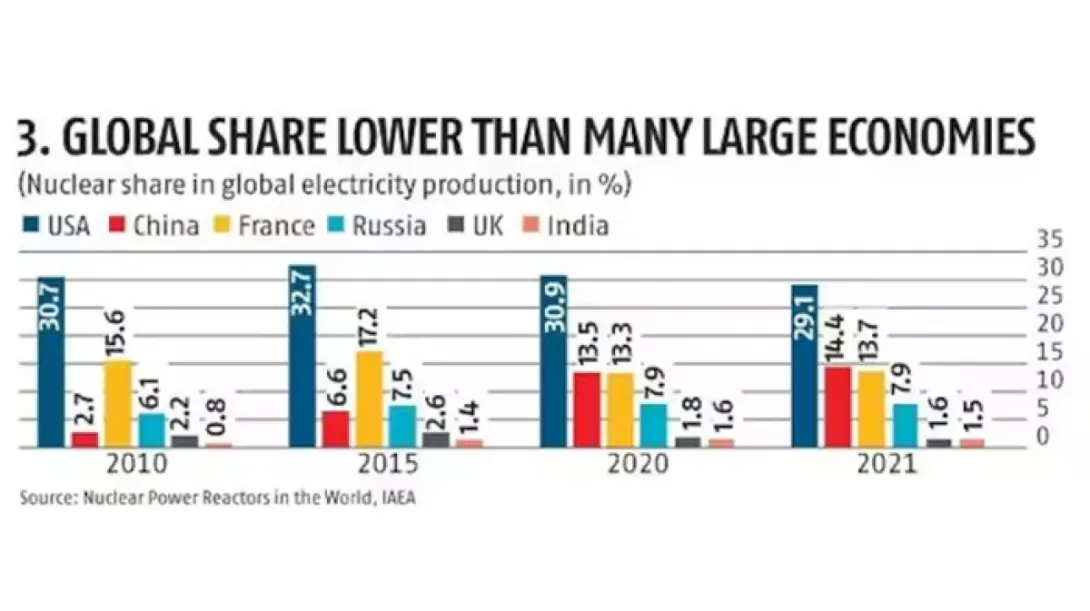
India’s power sector is poised for a strategic shift as NTPC Limited explores a significant nuclear energy project in Bihar. The proposed plan involves setting up two 700 MW nuclear reactors in Banka district, with an estimated investment of Rs 25,000 crore. Currently under feasibility assessment, the project reflects a broader push toward energy diversification and low-carbon power generation. Backed by state support and land allocation plans, the initiative underscores India’s long-term commitment to sustainable energy infrastructure while addressing rising electricity demand through reliable baseload capacity.
Strategic Push Toward Nuclear Energy
NTPC Limited is advancing its clean energy ambitions by evaluating the feasibility of establishing nuclear power capacity in Bihar. The proposal includes two nuclear units, each with a capacity of 700 MW, marking a decisive move to diversify beyond conventional thermal energy sources.
This initiative aligns with India’s broader energy transition goals, where nuclear power is increasingly viewed as a stable and low-emission alternative capable of supporting long-term electricity demand.
Investment 규모 and Project Scope
The proposed project is expected to require an investment of approximately Rs 25,000 crore, positioning it among the more substantial infrastructure undertakings in the region. Industry benchmarks suggest that nuclear projects demand high capital expenditure, with costs typically ranging between Rs 15,000 crore and Rs 20,000 crore per gigawatt.
Given these estimates, the scale of the planned development reflects both the complexity and the strategic importance of expanding nuclear capacity within India’s energy mix.
Feasibility Study Underway
At present, officials are conducting a detailed feasibility assessment to evaluate the technical, environmental, and economic viability of the project. The selected site in Banka district, located roughly 250 kilometers from Patna, is being analyzed for infrastructure readiness and logistical suitability.
Such studies are critical in nuclear projects, as they determine site safety, regulatory compliance, and long-term sustainability before any formal investment decisions are finalized.
State Support and Infrastructure Requirements
The Bihar government has indicated strong support for the initiative, particularly in facilitating land acquisition and ensuring adequate water resources—both essential for nuclear power operations. Preliminary estimates suggest that around 1,000 acres of land may be required to develop the proposed units.
This collaboration between central and state authorities is expected to streamline project execution, provided regulatory clearances and environmental approvals are secured in a timely manner.
Long Gestation and Strategic Value
Nuclear energy projects are characterized by extended development timelines, often requiring several years from conceptualization to commissioning. Despite the long gestation period, such investments offer substantial long-term benefits, including energy security, reduced carbon emissions, and stable power generation.
For NTPC Limited, the move into nuclear energy represents a calculated effort to future-proof its portfolio while aligning with India’s sustainability commitments.
Outlook: A Step Toward Energy Transition
The proposed Bihar project signals a broader transformation within India’s power sector, where traditional energy players are pivoting toward cleaner alternatives. If executed successfully, the initiative could not only enhance regional power capacity but also reinforce the role of nuclear energy in India’s transition to a low-carbon economy.
As feasibility studies progress, the project will be closely watched by industry stakeholders, policymakers, and investors seeking insights into the future trajectory of India’s energy landscape.
Comments