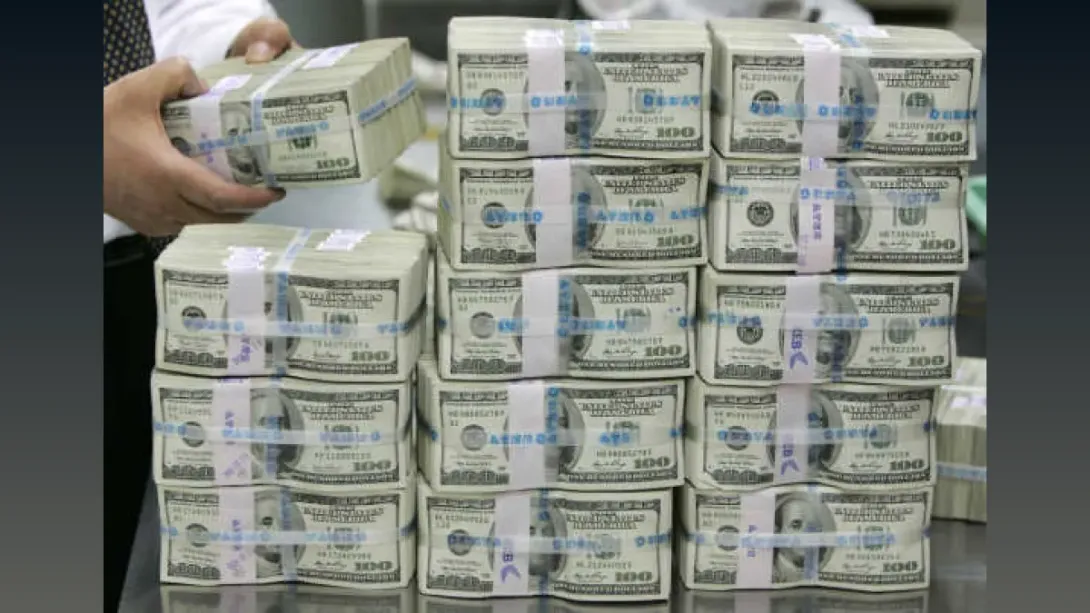
The State Bank of Pakistan has confirmed the receipt of $2 billion from Saudi Arabia, part of a broader financial support package aimed at stabilising the country’s external position. The inflow comes from a pledged $3 billion deposit under Saudi assistance measures, alongside an extension of an existing $5 billion facility. The funding arrives at a critical time as Pakistan continues to manage external financing pressures and declining reserves. The support, linked with high-level diplomatic engagement, is expected to provide temporary relief to the country’s balance of payments and foreign exchange stability.
Major Boost to Foreign Reserves
The State Bank of Pakistan announced that it received $2 billion from Saudi Arabia on April 15, 2026. This amount forms part of a larger $3 billion deposit commitment, aimed at strengthening Pakistan’s foreign exchange reserves.
The inflow provides immediate liquidity support at a time when the country is facing ongoing external account pressures, including debt repayments and import financing needs.
Part of a Broader Saudi Support Package
Saudi Arabia has expanded its financial engagement with Pakistan by:
Extending a $5 billion deposit facility for an additional three years
Providing an additional $3 billion in fresh deposits
This restructuring of financial support reduces short-term rollover uncertainty and offers Pakistan more predictable external financing.
Diplomatic and Strategic Context
The financial assistance coincides with high-level diplomatic activity, including visits aimed at strengthening regional ties. While primarily economic in nature, such inflows often reflect broader geopolitical and strategic relationships between the two nations.
The timing of the support is particularly significant given Pakistan’s efforts to stabilise its economy amid inflationary pressures and external debt obligations.
Impact on Economy and Stability
The inflow is expected to:
Temporarily strengthen foreign exchange reserves
Improve investor confidence in the short term
Ease pressure on currency stability
However, analysts typically note that such inflows provide short-term relief rather than structural reform, with long-term stability dependent on domestic economic adjustments.
Conclusion
The $2 billion inflow from Saudi Arabia marks a crucial financial lifeline for Pakistan, offering immediate support to its external accounts. While it helps stabilise reserves in the near term, sustained economic recovery will depend on broader fiscal reforms, export growth, and continued external financing arrangements.
If you want, I can compile all these into a single global markets bulletin or continue rewriting more news articles.
Comments