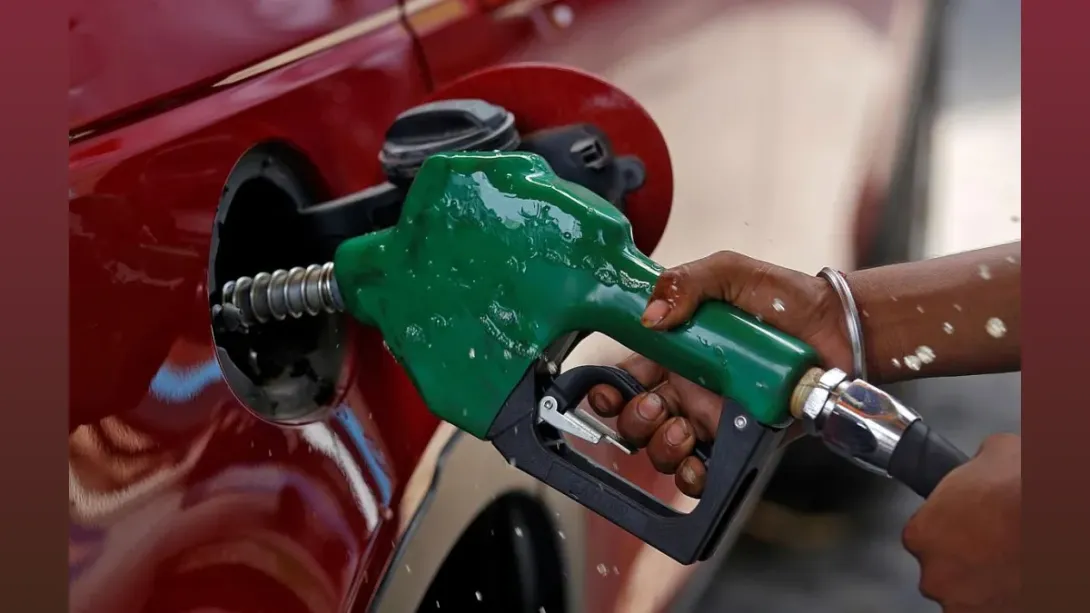
Pakistan has reversed a sharp fuel price hike following widespread public backlash, announcing a reduction of Rs. 80 per litre in petrol prices. The move comes just a day after unprecedented increases in petrol and diesel rates triggered economic and political pressure. By cutting the petroleum levy, the government has brought petrol prices down to Rs. 378 per litre, offering immediate relief to consumers. The decision reflects the delicate balance between fiscal discipline and social stability, highlighting the challenges policymakers face amid global energy volatility and domestic economic constraints.
Rapid Policy Reversal Amid Public Pressure
In a swift and politically significant move, the government of Pakistan has rolled back a portion of its recent fuel price increase, responding to intense public criticism. Prime Minister Shehbaz Sharif announced a reduction of Rs. 80 per litre in petrol prices, a decision that took effect immediately.
The revised price brings petrol down to Rs. 378 per litre, following a steep increase that had pushed prices to Rs. 458.41 per litre just a day earlier. The rollback reflects the government’s responsiveness to public sentiment, particularly at a time when inflationary pressures are already weighing heavily on households.
Context: Unprecedented Fuel Price Surge
The policy reversal follows one of the most significant fuel price hikes in Pakistan’s recent history. Petrol prices had surged by approximately 43 per cent, while high-speed diesel (HSD) saw an even sharper increase of around 55 per cent.
These increases were largely driven by rising global oil prices and adjustments in domestic taxation, including a hike in the petroleum levy on petrol from Rs. 105 to Rs. 160 per litre. Diesel prices were also raised substantially, though the levy on HSD was removed to cushion certain sectors.
The sudden spike in fuel costs triggered widespread public dissatisfaction, with concerns over its cascading impact on transportation, food prices, and overall inflation.
Petroleum Levy Adjustment as a Policy Tool
The government’s decision to reduce petrol prices was achieved by cutting the petroleum levy by Rs. 80 per litre. This highlights the critical role of taxation in determining retail fuel prices.
By adjusting the levy, the government has effectively absorbed part of the cost burden, transferring relief directly to consumers. However, this move also has fiscal implications, as reduced levy collections may impact government revenues.
The earlier increase in the levy had been aimed at maintaining fiscal discipline and meeting budgetary requirements, particularly in the context of external financial obligations.
Balancing Fiscal Discipline and Social Stability
The episode underscores the complex trade-offs faced by policymakers. On one hand, maintaining fiscal stability requires limiting subsidies and ensuring adequate revenue generation. On the other, sharp increases in essential commodity prices can lead to social unrest and political challenges.
The rollback suggests a recalibration of priorities, with the government opting to provide immediate relief while potentially reassessing its broader fiscal strategy. Such decisions are often influenced by both economic considerations and public sentiment.
Economic Implications of Fuel Price Volatility
Fuel prices play a pivotal role in shaping economic dynamics. In Pakistan’s case, the initial price hike had raised concerns about:
Inflationary Pressures: Higher fuel costs typically lead to increased transportation and production expenses, driving up consumer prices.
Business Costs: Industries reliant on logistics and energy face higher operational costs, potentially affecting profitability.
Consumer Spending: Rising fuel expenses reduce disposable income, impacting overall consumption.
The subsequent price reduction is expected to provide temporary relief, though underlying economic challenges remain.
Global Energy Market Influence
Pakistan’s fuel pricing decisions are closely tied to developments in global energy markets. Recent geopolitical tensions, particularly in oil-producing regions, have contributed to price volatility.
As an energy-importing nation, Pakistan is highly sensitive to fluctuations in international crude oil prices. This dependence limits the government’s ability to fully insulate domestic consumers from global trends.
The situation highlights the importance of diversifying energy sources and improving energy efficiency to reduce vulnerability to external shocks.
Public Sentiment and Political Considerations
The rapid rollback of fuel prices illustrates the influence of public sentiment on economic policy. Widespread criticism and protests can compel governments to reconsider decisions, particularly those affecting essential commodities.
In this case, the intensity of the backlash appears to have accelerated the policy reversal, demonstrating the political sensitivity of fuel pricing in emerging economies.
Such dynamics underscore the need for transparent communication and gradual policy implementation to manage public expectations.
Outlook: Navigating an Uncertain Economic Landscape
Looking ahead, Pakistan faces the challenge of balancing short-term relief measures with long-term fiscal sustainability. While the reduction in petrol prices provides immediate respite, it may not fully address structural economic issues.
Future policy decisions will likely depend on global oil price trends, domestic economic conditions, and ongoing negotiations with international financial institutions.
The government may also explore alternative measures, such as targeted subsidies or energy reforms, to manage the impact of price volatility.
Conclusion
Pakistan’s decision to reduce petrol prices shortly after a steep increase highlights the dynamic interplay between economic policy and public response. The move provides immediate relief but also raises important questions about fiscal sustainability and long-term strategy.
As global energy markets remain volatile, the country’s ability to navigate these challenges will depend on prudent policymaking, effective communication, and a balanced approach to economic management.
Comments