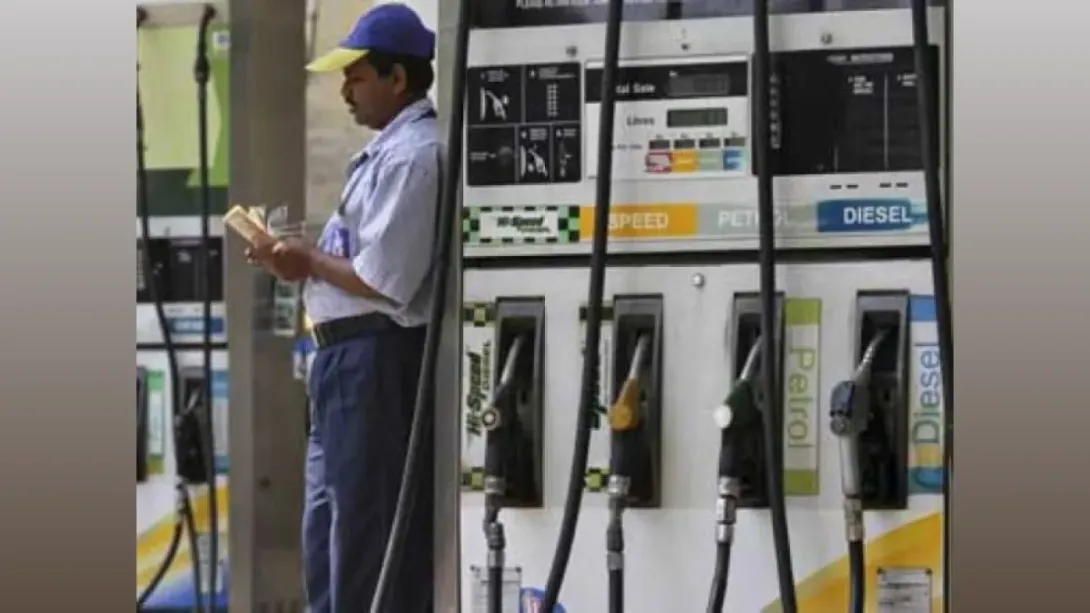
The Goa government has reassured citizens that petrol and diesel supplies remain stable despite widespread panic buying triggered by misinformation. Long queues at fuel stations emerged after rumors of shortages circulated on social media, creating temporary supply pressure and crowd management challenges. Authorities clarified that oil terminals hold sufficient inventory and that distribution channels remain uninterrupted. The episode underscores how misinformation can disrupt otherwise stable supply chains, leading to artificial demand spikes and operational strain. It also highlights the importance of timely communication and consumer awareness in maintaining equilibrium in essential commodity markets.
Misinformation Sparks Market Disruption
Fuel markets in Goa experienced sudden disruption as misinformation regarding a potential shortage of petrol and diesel spread rapidly across social media platforms. Despite no underlying supply constraints, the rumors triggered a surge in consumer demand, leading to long queues at fuel stations across the state.
Such demand shocks, driven not by fundamentals but by perception, can temporarily distort market behavior. In this case, the rush to fuel stations created an illusion of scarcity, amplifying panic among consumers and accelerating the cycle of hoarding.
Officials emphasized that the situation was not a result of logistical or production issues but rather a communication gap that allowed unverified information to gain traction.
Government Response and Supply Assurance
The state’s civil supplies department moved swiftly to address the situation, issuing a formal statement to reassure the public. Authorities confirmed that oil terminals in the region maintain adequate reserves and that supply chains are functioning without interruption.
The government urged citizens to avoid panic buying, emphasizing that current stock levels are sufficient to meet regular consumption patterns. By addressing the issue promptly, officials aimed to restore consumer confidence and stabilize demand.
This response reflects a critical aspect of crisis management in commodity markets—timely and transparent communication can prevent localized disruptions from escalating into broader economic concerns.
Impact on Retail Fuel Infrastructure
The sudden influx of consumers placed operational strain on fuel stations, many of which struggled to manage the unexpected surge in demand. Long queues not only disrupted routine operations but also raised concerns related to crowd control and public safety.
Retail fuel outlets are typically calibrated to handle predictable consumption patterns. When demand spikes abruptly, even a well-supplied system can appear overwhelmed. This creates bottlenecks at the last-mile distribution level, despite sufficient upstream inventory.
The situation in Goa illustrates how retail infrastructure can become a pressure point during periods of panic-driven consumption.
Economic Perspective: Demand Distortion and Behavioral Response
From an economic standpoint, the episode serves as a classic example of demand distortion caused by behavioral factors rather than supply constraints. Panic buying often leads to short-term inefficiencies, including uneven distribution, temporary shortages at specific outlets, and increased operational costs.
While the overall supply remains intact, the sudden concentration of demand can create localized imbalances. This phenomenon is not unique to fuel markets and has been observed across various essential commodities during periods of uncertainty.
The financial implications, though typically short-lived, can include increased logistics costs and reduced operational efficiency for retailers.
Role of Digital Platforms in Market Sentiment
The rapid spread of misinformation highlights the growing influence of digital platforms on consumer behavior. Social media, while a powerful tool for information dissemination, can also amplify unverified claims, leading to unintended economic consequences.
In the case of Goa, the absence of immediate counter-information allowed rumors to shape public perception. This underscores the need for proactive communication strategies by authorities and industry stakeholders.
Developing mechanisms to quickly identify and counter misinformation will be essential in preventing similar disruptions in the future.
Restoring Stability and Consumer Confidence
As official assurances reached the public, the situation began to stabilize, with demand gradually returning to normal levels. The episode serves as a reminder that consumer confidence is a critical factor in maintaining market equilibrium.
Authorities continue to monitor the situation, ensuring that supply remains uninterrupted and that fuel stations operate smoothly. Public cooperation remains key in preventing unnecessary strain on essential services.
Conclusion: Lessons for Policy and Market Resilience
The recent fuel panic in Goa offers valuable insights into the interplay between information flow and market dynamics. While the supply chain remained robust, misinformation created a temporary but significant disruption.
Going forward, strengthening communication frameworks and promoting consumer awareness will be essential in enhancing market resilience. For policymakers and industry participants alike, the incident reinforces the importance of managing not just supply, but also perception, in ensuring the smooth functioning of critical economic systems.
Comments