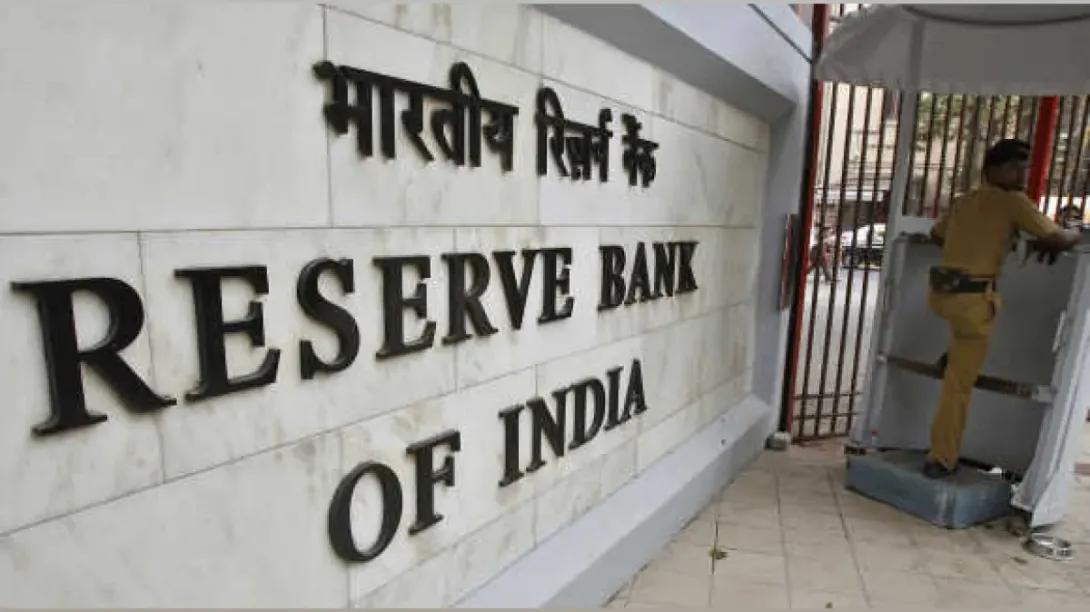
The Reserve Bank of India has promoted Gunveer Singh to the position of Executive Director, reinforcing the central bank’s focus on strengthening India’s rapidly evolving payments and settlement ecosystem. Singh previously led the Department of Payment and Settlement Systems as Chief General Manager-in-Charge, playing a significant role in overseeing critical aspects of the country’s digital financial infrastructure. His elevation comes at a time when India’s financial system is undergoing accelerated technological transformation driven by digital payments, fintech innovation, and real-time settlement mechanisms, placing experienced leadership at the center of the RBI’s long-term regulatory and operational strategy.
RBI Strengthens Leadership in Payments and Settlement Oversight
The Reserve Bank of India on Monday announced the appointment of Gunveer Singh as Executive Director, marking a notable leadership transition within the country’s central banking framework.
Singh’s appointment became effective immediately, according to an official statement issued by the RBI. Prior to his elevation, he served as Chief General Manager-in-Charge of the Department of Payment and Settlement Systems, one of the central bank’s most strategically important divisions amid India’s rapid digitalization of financial services.
His promotion reflects the RBI’s continued emphasis on strengthening institutional expertise in payment infrastructure, regulatory modernization, and financial technology governance.
A Critical Appointment During India’s Digital Finance Expansion
Singh assumes the Executive Director role at a time when India has emerged as one of the world’s fastest-growing digital payments markets. Over the past several years, the country has witnessed exponential growth in real-time payment systems, mobile banking adoption, and fintech-driven financial inclusion initiatives.
The Department of Payment and Settlement Systems has played a central role in supervising and regulating these developments, including the expansion of digital transaction frameworks and secure payment architecture across the banking ecosystem.
Industry observers view Singh’s elevation as a strategically timed move aimed at ensuring continuity in policy execution as the RBI navigates increasingly complex digital finance challenges.
RBI’s Expanding Regulatory Responsibilities
The appointment also highlights the evolving responsibilities of the central bank in an era where financial technology innovation is reshaping traditional banking models.
The RBI’s oversight now extends far beyond monetary policy and inflation management. The institution is increasingly responsible for:
Digital payment security
Fintech regulation
Real-time settlement systems
Cyber resilience frameworks
Cross-border payment modernization
Consumer protection in digital finance
As Executive Director, Singh is expected to contribute significantly to these regulatory and operational priorities.
Leadership Continuity and Institutional Stability
Within central banking systems, senior appointments are often viewed as indicators of policy continuity and institutional confidence. Singh’s long tenure within the RBI and his direct involvement in payment systems management suggest that the central bank intends to maintain a stable and experienced leadership structure during a period of rapid technological transformation in the financial sector.
The RBI has consistently positioned itself as a proactive regulator in balancing innovation with systemic stability. Analysts believe leadership continuity within key operational departments will remain essential as India’s digital economy expands further.
India’s Payments Ecosystem Gains Global Attention
India’s payment infrastructure has increasingly attracted international attention for its scale and efficiency. Real-time payment systems and digital transaction platforms have accelerated financial inclusion while transforming consumer and business payment behavior nationwide.
The RBI’s leadership appointments therefore carry significance not only for domestic banking institutions but also for the broader global financial community monitoring India’s fintech evolution.
Singh’s experience in payment and settlement operations is expected to strengthen the central bank’s capacity to address emerging challenges related to digital transaction security, operational resilience, and regulatory coordination.
Strategic Importance of Institutional Expertise
As financial systems become more technology-driven, central banks globally are placing greater emphasis on operational expertise and digital governance capabilities within senior leadership teams.
The RBI’s decision to elevate a senior official deeply involved in payment infrastructure management reflects this broader institutional trend.
With digital finance expected to remain a defining force within India’s economic transformation, leadership appointments such as Singh’s underscore the growing importance of specialized regulatory knowledge in shaping the future of modern banking systems.
Comments