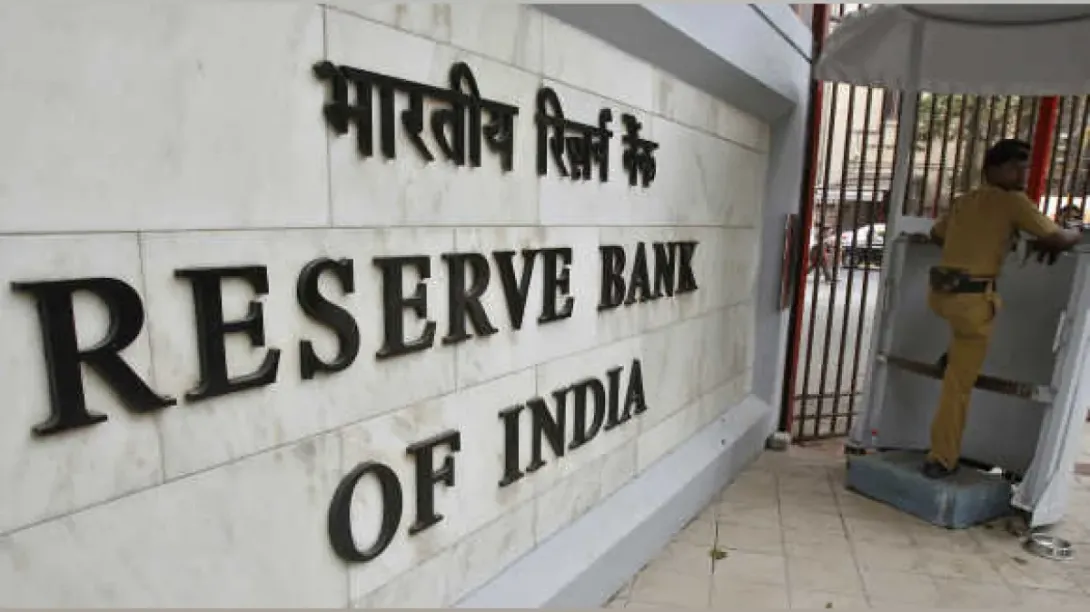
The Government of India has appointed Rohit Jain as Deputy Governor of the Reserve Bank of India for a three-year term, marking a key leadership transition in the country’s central banking system. Jain succeeds T Rabi Sankar, whose extended tenure concluded recently. The appointment, cleared by the Appointments Committee of the Cabinet, comes at a critical time for monetary policy and financial regulation. The move is expected to ensure continuity in policy direction while reinforcing institutional stability amid evolving economic conditions.
Leadership Transition at the Central Bank
The appointment of Rohit Jain as Deputy Governor of the Reserve Bank of India marks a significant transition in the country’s financial leadership framework. Such roles are pivotal in shaping monetary policy, overseeing financial stability, and guiding regulatory mechanisms across the banking and non-banking sectors.
Jain’s tenure, set for three years from the date of assumption on or after May 3, comes at a time when central banks globally are navigating complex economic challenges, including inflation management and growth sustainability.
Replacing an Experienced Policymaker
Jain takes over from T Rabi Sankar, whose tenure as Deputy Governor had been extended before concluding recently. Sankar played a crucial role in areas such as digital currency development, payment systems, and financial innovation.
Transitions at this level are typically designed to ensure continuity while introducing fresh perspectives. Jain’s appointment reflects the government’s intent to maintain policy stability while adapting to emerging financial dynamics.
Role and Responsibilities in a Changing Economy
As Deputy Governor, Jain will be part of the RBI’s top decision-making body, contributing to key areas such as monetary policy formulation, banking supervision, and financial market regulation.
The role assumes heightened importance in the current environment, where central banks must balance inflation control with economic growth. Additionally, the increasing complexity of financial systems, driven by technology and globalization, requires adaptive and forward-looking leadership.
Policy Continuity and Institutional Stability
The approval of Jain’s appointment by the Appointments Committee of the Cabinet underscores the structured approach to leadership succession in India’s financial institutions. Such processes are critical in maintaining investor confidence and institutional credibility.
Continuity in leadership helps ensure that ongoing initiatives—ranging from digital banking reforms to regulatory enhancements—progress without disruption. It also reinforces the RBI’s reputation as a stable and independent policymaking body.
Market and Economic Implications
Leadership changes at the central bank often carry implications for financial markets, as investors closely monitor potential shifts in policy direction. However, the RBI’s established framework typically ensures that transitions do not lead to abrupt changes.
Jain’s appointment is expected to support a steady policy environment, which is essential for sustaining economic growth and maintaining financial stability. Market participants will likely look for signals on priorities such as liquidity management, credit growth, and regulatory reforms.
Conclusion: A Strategic Appointment for a Dynamic Economy
The elevation of Rohit Jain to the position of Deputy Governor reflects a carefully calibrated approach to leadership in India’s central banking system. As the economy continues to evolve, the role demands a blend of experience, strategic insight, and adaptability.
With a three-year mandate, Jain is poised to contribute to shaping India’s monetary and financial landscape, ensuring that the RBI remains responsive to both domestic and global economic developments.
Comments