India

By Neena Sachdeva , 5 April 2026

India’s export sector continues to demonstrate resilience despite escalating geopolitical tensions, particularly in West Asia. However, policymakers caution that prolonged instability could disrupt trade flows, supply chains, and energy imports, potentially impacting overall export performance. With nearly 12–13 per cent of India’s exports directed toward West Asia, the region’s volatility poses a tangible risk. Government officials emphasize the need for diversification, strategic planning, and supply chain recalibration to mitigate adverse effects.

By Neena Sachdeva , 5 April 2026

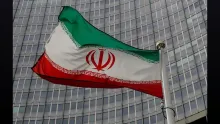
India’s energy supply chain has demonstrated resilience as liquefied petroleum gas (LPG) shipments continue despite escalating tensions in West Asia. An Indian-flagged tanker carrying approximately half a day’s domestic LPG requirement successfully transited the strategically critical Strait of Hormuz, while another vessel from Iran reached Mangalore port. These developments highlight the country’s ability to maintain fuel inflows amid disruptions triggered by regional conflict. The safe passage of multiple tankers underscores coordinated maritime logistics and strategic preparedness.

By Keshav Sharma , 4 April 2026

Marriott International has inaugurated a 130-room Courtyard by Marriott in Tirupati, Andhra Pradesh, marking a strategic expansion in one of India’s most visited spiritual destinations. The property aims to cater to both leisure and business travelers, leveraging Tirupati’s high footfall throughout the year. Senior Vice President for South Asia, Kiran Andicot, emphasized the opening as a milestone in Marriott’s growth strategy, highlighting the potential of tapping into emerging markets with strong travel demand.

By Keshav Sharma , 4 April 2026

Honda Cars India reported a total sales decline of 18.41 per cent in March 2026, selling 10,036 vehicles compared to 11,884 units in March 2025. Domestic sales stood at 7,585 units, while exports contributed 2,451 units. Despite the overall decline, popular models such as Amaze and Elevate continued to witness strong demand. The automaker highlighted plans to enter the new fiscal year with an expanded lineup, including the launch of its first battery electric vehicle (BEV) in the second half of FY27.

By Vibha Dhawan , 4 April 2026

Unified Payments Interface (UPI) witnessed an unprecedented surge in March 2026, with transaction values reaching Rs 29.53 lakh crore and total volumes at 22.64 billion, marking a record high, according to the National Payments Corporation of India (NPCI). This growth reflects both festive season spending and the end-of-financial-year momentum, with year-on-year value growth of 19 per cent from Rs 24.77 lakh crore in March 2025. Month-on-month, UPI transaction values rose 10 per cent from Rs 26.84 lakh crore in February.

By Harish Thapar , 4 April 2026

India’s export sector has demonstrated notable resilience in FY26, maintaining growth momentum despite mounting global uncertainties, including geopolitical conflicts and trade disruptions. A senior government official indicated that the country is likely to end the fiscal year with positive export growth, supported by sustained demand and diversified trade strategies. Challenges such as evolving US tariff dynamics and ongoing international conflicts have tested global trade flows, yet India’s merchandise exports have remained stable.

By Vibha Dhawan , 3 April 2026

Mahindra & Mahindra (M&M) has emerged as India’s second-largest passenger vehicle (PV) manufacturer by volume for the fiscal year 2025–26, surpassing Hyundai Motor India and Tata Motors Passenger Vehicles Ltd. Driven primarily by strong SUV sales, the homegrown automaker has consolidated its position in the rapidly expanding PV segment. Maruti Suzuki continues to dominate as the market leader with steady growth. M&M’s rise underscores the company’s strategic focus on high-demand vehicle segments and brand positioning.

By Harish Thapar , 3 April 2026

India has introduced the Income Tax Act 2025, replacing a decades-old framework with a modern, simplified tax regime aimed at enhancing compliance and clarity. Effective April 1, 2026, the reform streamlines provisions, reduces legal complexity, and improves accessibility without altering the core tax structure. The move is positioned as a key milestone in strengthening governance and supporting economic growth under the broader vision of a developed India.

By Neena Sachdeva , 3 April 2026

India has imposed immediate restrictions on the import of gold, silver, and platinum jewellery to address concerns over the misuse of free trade agreements (FTAs). The revised policy shifts these imports from a “free” to a “restricted” category, requiring importers to obtain licenses from the regulator. Notably, the curbs apply regardless of prior contractual obligations, including advance payments or shipments already in transit.

By Keshav Sharma , 3 April 2026

India has authorized the export of key essential commodities to the Maldives for the financial year 2026–27 under a bilateral trade arrangement, ensuring stable supply chains for the island nation. The permitted exports include food staples such as rice, wheat flour, sugar, eggs, onions, and potatoes, along with construction materials like stone aggregates and river sand. These shipments will remain exempt from existing or future export restrictions, reflecting India’s commitment to regional cooperation.