India

By Keshav Sharma , 29 March 2026

Indian equity markets witnessed a sharp downturn, eroding Rs. 8.86 lakh crore in investor wealth amid escalating geopolitical tensions in West Asia and a surge in global crude oil prices. Benchmark indices declined over 2 percent, reflecting heightened risk aversion among investors. The selloff was exacerbated by sustained foreign capital outflows, currency depreciation, and concerns over inflationary pressures linked to elevated oil prices. Blue-chip stocks led the decline, underscoring the breadth of the market correction.


By Neena Sachdeva , 29 March 2026

Bitcoin investment in India has gained traction amid rising digital adoption and growing investor awareness. While regulatory clarity continues to evolve, individuals can legally buy and hold Bitcoin through compliant exchanges. This guide outlines the process—from account creation and verification to secure storage and taxation considerations. 

By Keshav Sharma , 28 March 2026

India’s central government has outlined an ambitious borrowing strategy for the first half of FY2026-27, aiming to raise Rs. 8.20 lakh crore through dated securities to manage its fiscal deficit. The move forms part of a revised gross market borrowing plan of Rs. 16.09 lakh crore, adjusted downward following debt-switch operations. Notably, the plan includes Rs. 15,000 crore in Sovereign Green Bonds, reflecting a growing emphasis on sustainable finance.

By Neena Sachdeva , 28 March 2026

India’s central bank has unveiled an ambitious roadmap aimed at redefining the country’s payments ecosystem by 2028. The vision focuses on expanding digital payment infrastructure, introducing electronic cheques, strengthening fraud prevention mechanisms, and widening regulatory oversight to include emerging participants such as e-commerce platforms. A proposed shared liability framework seeks to enhance consumer protection, while new user controls aim to improve transaction security.

By Vibha Dhawan , 28 March 2026

India’s luxury hospitality sector is confronting short-term disruptions triggered by geopolitical tensions in West Asia, yet industry leaders remain optimistic about a swift recovery. While premium hotel chains have reported cancellations and deferred bookings, executives argue that the high-end travel segment has historically demonstrated resilience during global crises. Structural demand drivers—including affluent domestic travelers and experiential tourism—continue to underpin long-term growth. 

By Keshav Sharma , 28 March 2026

A series of recent developments across global markets highlights the evolving intersection of technology, finance, and geopolitics. From India-led artificial intelligence (AI) skilling initiatives in Africa to renewed volatility in cryptocurrency markets and multilateral financial agreements, the global economy is navigating a complex transition. Institutions are investing in digital infrastructure and human capital, while policymakers address macroeconomic uncertainty and capital flows. 

By Harish Thapar , 28 March 2026

India marked a significant milestone in its infrastructure journey with the inauguration of the first phase of the Noida International Airport by Prime Minister Narendra Modi. Developed at an estimated cost of Rs. 11,200 crore, the airport is designed to handle 12 million passengers annually in its initial phase. Positioned as a multi-modal logistics hub, it integrates road, rail, and metro connectivity. 

By Keshav Sharma , 28 March 2026

India is actively navigating the economic and geopolitical challenges stemming from the ongoing West Asia conflict, with Prime Minister Narendra Modi affirming decisive government action to protect citizens and maintain economic stability. Speaking at the inauguration of the Noida International Airport, the Prime Minister emphasized measures to cushion households and farmers from rising energy costs. 

By Vibha Dhawan , 27 March 2026

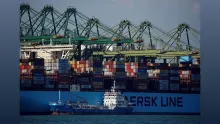
Escalating geopolitical tensions in West Asia are significantly disrupting export operations from eastern India, with freight costs surging by up to 80 percent and shipment volumes dropping sharply. Exporters are grappling with container shortages, rerouted shipping lines, and heightened war-risk surcharges, particularly affecting cargo bound for Europe and the United States. Ports such as Kolkata are witnessing congestion, with hundreds of containers stranded amid logistical uncertainty.

By Keshav Sharma , 27 March 2026

WazirX has unveiled a subscription-based trading model that eliminates per-transaction fees, offering unlimited cryptocurrency trades for a fixed monthly charge of Rs 99. This strategic move marks a departure from traditional brokerage structures and aims to lower entry barriers for retail investors amid rising digital asset adoption in India. The ‘ZERO’ plan enables cost predictability and encourages higher trading participation across more than 300 tokens.