Economy

By Neena Sachdeva , 4 April 2026

The Punjab government has announced a significant increase in milk procurement prices under its cooperative brand Milkfed Punjab, aiming to enhance farmer incomes and reinforce the rural economy. Effective April 1, 2026, the revised pricing structure raises rates by Rs 10 to Rs 15 per kilogram of fat. The decision reflects a strategic policy shift to support dairy farmers amid rising input costs and evolving agricultural challenges.


By Neena Sachdeva , 4 April 2026

Bihar’s fiscal performance in FY26 reflects steady, though not exceptional, progress in revenue mobilization, with total commercial tax collections reaching Rs 43,324 crore—about 93.17 percent of the annual target. The growth of 4.09 percent year-on-year highlights a moderate expansion amid evolving economic conditions. Goods and Services Tax (GST) collections remained the primary driver, recording a 9.2 percent net increase after adjustments.

By Harish Thapar , 4 April 2026

Himachal Pradesh has introduced a calibrated fiscal framework that balances social welfare objectives with economic stability, avoiding an immediate increase in fuel prices while creating legislative flexibility for future adjustments. The government has proposed a provision allowing up to Rs 5 per litre cess on petrol and high-speed diesel, earmarked for welfare initiatives targeting vulnerable groups. Simultaneously, relief measures for the transport sector—such as reduced entry taxes and toll exemptions—signal a broader policy intent to support economic activity.

By Harish Thapar , 3 April 2026

India has introduced the Income Tax Act 2025, replacing a decades-old framework with a modern, simplified tax regime aimed at enhancing compliance and clarity. Effective April 1, 2026, the reform streamlines provisions, reduces legal complexity, and improves accessibility without altering the core tax structure. The move is positioned as a key milestone in strengthening governance and supporting economic growth under the broader vision of a developed India.

By Neena Sachdeva , 3 April 2026

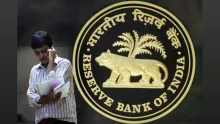
India’s central bank has introduced targeted regulatory measures to address the recent depreciation of the rupee, focusing on tightening oversight of foreign exchange derivatives. The new directives restrict authorised dealers from offering non-deliverable derivative contracts linked to the rupee, while permitting deliverable instruments strictly for hedging purposes. The move reflects growing concern over speculative pressures and market volatility.

By Keshav Sharma , 3 April 2026

India has authorized the export of key essential commodities to the Maldives for the financial year 2026–27 under a bilateral trade arrangement, ensuring stable supply chains for the island nation. The permitted exports include food staples such as rice, wheat flour, sugar, eggs, onions, and potatoes, along with construction materials like stone aggregates and river sand. These shipments will remain exempt from existing or future export restrictions, reflecting India’s commitment to regional cooperation.

By Keshav Sharma , 3 April 2026

India’s cement industry is projected to maintain steady growth in the current fiscal year, driven by robust demand from housing and infrastructure development. Industry volumes have already demonstrated resilience, recording a 9.2 per cent year-on-year increase during the ongoing financial year up to February. However, rising input costs, coupled with geopolitical uncertainties impacting fuel and logistics expenses, are expected to constrain profitability. While operational efficiencies and pricing strategies may offer partial relief, margin expansion is likely to remain moderate.

By Keshav Sharma , 2 April 2026

Maharashtra’s real estate sector witnessed a significant uptick in regulatory activity in March 2026, with MahaRERA approving 1,060 housing projects in the run-up to Gudi Padva, the Marathi New Year. The surge reflects heightened developer activity aligned with seasonal demand, as homebuyers traditionally consider this period auspicious for property purchases. The approvals included new project registrations, extensions, and corrections, indicating both fresh supply and ongoing project continuity.

By Keshav Sharma , 2 April 2026

Jaipur Vidyut Vitaran Nigam Ltd (JVVNL) has delivered a landmark financial performance in FY26, achieving record revenue collection exceeding Rs 29,462 crore and surpassing its billing targets with 102 per cent realisation. This milestone reflects improved operational efficiency, stronger billing mechanisms, and enhanced consumer compliance. Notably, the Bharatpur, Kota, and Jaipur zones all exceeded 100 per cent collection efficiency, signaling systemic improvements across regions.

By Keshav Sharma , 2 April 2026

The Reserve Bank of India has effectively concluded the withdrawal of Rs 2,000 denomination banknotes, with 98.45 per cent of the currency returned to the banking system. Introduced in 2016 and withdrawn from circulation in May 2023, the high-value notes have seen a dramatic decline in circulation from Rs 3.56 lakh crore to just Rs 5,501 crore as of March 31, 2026.