LPG

By Harish Thapar , 18 April 2026

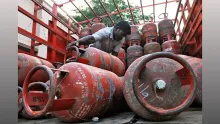
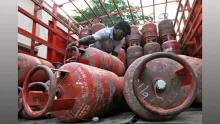
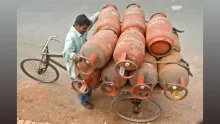
India’s liquefied petroleum gas (LPG) market is gradually returning to equilibrium after a period of intense demand triggered by global supply disruptions and domestic panic buying. A senior official indicated that with the onset of summer and improved supply conditions, demand for cooking gas is normalizing. At the height of the crisis, daily refill bookings surged to over 88 lakh, nearly double the usual 45 lakh.

By Harish Thapar , 14 April 2026

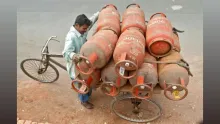
India’s auto component manufacturing sector remains insulated from disruptions in LPG supply, with government officials confirming adequate availability despite evolving global uncertainties. The Ministry of Heavy Industries, in coordination with industry bodies such as ACMA, has ensured steady fuel access to prevent production bottlenecks. Authorities have also encouraged the adoption of alternative energy sources, including piped natural gas (PNG) and electric furnaces.

By Neena Sachdeva , 14 April 2026

India has accelerated the distribution of smaller LPG cylinders and expanded piped natural gas (PNG) connections to mitigate the impact of global energy disruptions triggered by geopolitical tensions in West Asia. With over 13 lakh 5-kg LPG cylinders sold and more than 4.24 lakh new PNG connections activated since late March, the government is prioritizing accessibility and affordability for vulnerable populations. The transition from traditional LPG usage to PNG reflects a broader structural shift in energy consumption.

By Keshav Sharma , 6 April 2026

India has intensified its liquefied petroleum gas (LPG) supply measures to ensure uninterrupted availability amid rising geopolitical concerns surrounding the Strait of Hormuz. The government has significantly increased the distribution of 5-kg free trade LPG cylinders, selling approximately 6.6 lakh units since late March 2026. Authorities have emphasized that there is no shortage of domestic LPG, with over 51 lakh cylinders delivered in a single day and digital bookings accounting for 95 per cent of demand.

By Neena Sachdeva , 5 April 2026

India’s energy supply chain has demonstrated resilience as liquefied petroleum gas (LPG) shipments continue despite escalating tensions in West Asia. An Indian-flagged tanker carrying approximately half a day’s domestic LPG requirement successfully transited the strategically critical Strait of Hormuz, while another vessel from Iran reached Mangalore port. These developments highlight the country’s ability to maintain fuel inflows amid disruptions triggered by regional conflict. The safe passage of multiple tankers underscores coordinated maritime logistics and strategic preparedness.

By Harish Thapar , 5 April 2026

Delhi has introduced stricter regulations governing the supply of commercial LPG cylinders, mandating businesses to adopt or apply for piped natural gas (PNG) connections in areas where such infrastructure exists. The move aims to streamline fuel distribution, enhance safety, and accelerate the shift toward cleaner energy alternatives. Under the revised framework, only registered commercial and industrial consumers who comply with PNG application requirements will be eligible for LPG supply. 

By Keshav Sharma , 1 April 2026

The Government of Maharashtra has revised commission structures and transportation rates for kerosene distribution under the Public Distribution System (PDS), responding to renewed demand triggered by liquefied petroleum gas (LPG) shortages. The supply disruption, linked to geopolitical tensions in West Asia, has prompted the central government to allocate 3,744 kilolitres of kerosene as an alternative fuel source. Once phased down due to widespread LPG penetration and regulatory restrictions, kerosene is now being repositioned as a contingency energy solution.

By Keshav Sharma , 29 March 2026

Kolkata’s restaurant industry is evaluating a strategic shift toward piped natural gas (PNG) as persistent disruptions in commercial LPG supply strain daily operations. Industry representatives have initiated discussions with Bengal Gas Company Ltd to assess infrastructure readiness and rollout feasibility. The move reflects a broader effort to secure stable, cost-efficient energy alternatives while reducing dependence on cylinder-based fuel systems. With delays in LPG refills affecting service continuity, PNG is emerging as a viable long-term solution.

By Neena Sachdeva , 26 March 2026

India is accelerating its transition toward piped natural gas (PNG) by mandating that household LPG supplies be discontinued in areas where pipeline connectivity is available. The move comes amid supply disruptions in liquefied petroleum gas (LPG) due to geopolitical tensions in West Asia and reflects a broader strategy to diversify energy sources. PNG, delivered directly through pipelines, offers uninterrupted supply and reduced logistical dependency compared to cylinder-based systems.

By Harish Thapar , 25 March 2026

The Indian government has reassured citizens that fuel supplies across the country remain stable despite geopolitical disruptions affecting global energy routes. Authorities confirmed that petrol, diesel, and LPG stocks are sufficient, with refineries operating at near full capacity. The reassurance comes amid a surge in demand triggered by panic buying fueled by misinformation.