Energy

By Vibha Dhawan , 11 April 2026

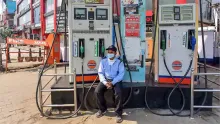
India faces a critical inflection point in its energy strategy as global supply disruptions expose vulnerabilities in its heavy reliance on West Asian imports. Industry leadership has cautioned against overdependence on traditional sourcing routes, particularly amid geopolitical instability that has disrupted key shipping corridors. With nearly half of its crude oil, a substantial share of natural gas, and the majority of LPG imports tied to the region, India must reassess its long-term energy security framework.

By Harish Thapar , 10 April 2026

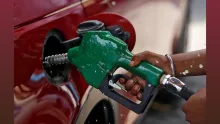
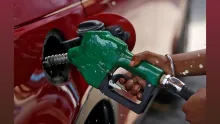
Pakistan has implemented a sharp and unprecedented increase in fuel prices, raising petrol and high-speed diesel (HSD) rates by over 40 percent and 55 percent, respectively. The move comes amid surging global oil prices triggered by escalating geopolitical tensions in West Asia, particularly the US-Israel conflict involving Iran. The government has simultaneously restructured petroleum levies to manage fiscal pressures while limiting the burden on critical sectors. Officials describe the decision as necessary to preserve macroeconomic stability and reduce subsidy dependence.

By Neena Sachdeva , 7 April 2026

State-owned Oil India Ltd has achieved a significant milestone by ramping up crude oil production in Rajasthan’s Thar desert, recording a peak output of 1,202 barrels per day. This marks a nearly 70 percent increase from the previous year, underscoring India’s strategic push toward enhancing domestic energy production amid volatile global oil markets. The extracted crude is transported through a coordinated logistics chain involving Oil and Natural Gas Corporation and Indian Oil Corporation, highlighting integrated sectoral collaboration.

By Keshav Sharma , 6 April 2026

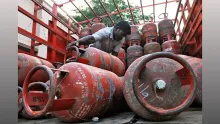
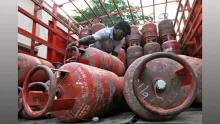
India has intensified its liquefied petroleum gas (LPG) supply measures to ensure uninterrupted availability amid rising geopolitical concerns surrounding the Strait of Hormuz. The government has significantly increased the distribution of 5-kg free trade LPG cylinders, selling approximately 6.6 lakh units since late March 2026. Authorities have emphasized that there is no shortage of domestic LPG, with over 51 lakh cylinders delivered in a single day and digital bookings accounting for 95 per cent of demand.

By Neena Sachdeva , 5 April 2026

India’s energy supply chain has demonstrated resilience as liquefied petroleum gas (LPG) shipments continue despite escalating tensions in West Asia. An Indian-flagged tanker carrying approximately half a day’s domestic LPG requirement successfully transited the strategically critical Strait of Hormuz, while another vessel from Iran reached Mangalore port. These developments highlight the country’s ability to maintain fuel inflows amid disruptions triggered by regional conflict. The safe passage of multiple tankers underscores coordinated maritime logistics and strategic preparedness.

By Harish Thapar , 5 April 2026

Delhi has introduced stricter regulations governing the supply of commercial LPG cylinders, mandating businesses to adopt or apply for piped natural gas (PNG) connections in areas where such infrastructure exists. The move aims to streamline fuel distribution, enhance safety, and accelerate the shift toward cleaner energy alternatives. Under the revised framework, only registered commercial and industrial consumers who comply with PNG application requirements will be eligible for LPG supply. 

By Keshav Sharma , 5 April 2026

Pakistan has reversed a sharp fuel price hike following widespread public backlash, announcing a reduction of Rs. 80 per litre in petrol prices. The move comes just a day after unprecedented increases in petrol and diesel rates triggered economic and political pressure. By cutting the petroleum levy, the government has brought petrol prices down to Rs. 378 per litre, offering immediate relief to consumers.

By Harish Thapar , 4 April 2026

Himachal Pradesh has introduced a calibrated fiscal framework that balances social welfare objectives with economic stability, avoiding an immediate increase in fuel prices while creating legislative flexibility for future adjustments. The government has proposed a provision allowing up to Rs 5 per litre cess on petrol and high-speed diesel, earmarked for welfare initiatives targeting vulnerable groups. Simultaneously, relief measures for the transport sector—such as reduced entry taxes and toll exemptions—signal a broader policy intent to support economic activity.

By Keshav Sharma , 3 April 2026

Bvishal Oil & Energy has initiated the process to go public, filing draft documents with the market regulator to raise capital through a mix of fresh equity issuance and an offer for sale. The proposed fundraising is aimed at strengthening operational capacity, funding capital expenditure, and supporting working capital needs. The move reflects growing momentum within India’s energy services sector, where demand for onshore oilfield support continues to expand.

By Keshav Sharma , 1 April 2026

The Government of Maharashtra has revised commission structures and transportation rates for kerosene distribution under the Public Distribution System (PDS), responding to renewed demand triggered by liquefied petroleum gas (LPG) shortages. The supply disruption, linked to geopolitical tensions in West Asia, has prompted the central government to allocate 3,744 kilolitres of kerosene as an alternative fuel source. Once phased down due to widespread LPG penetration and regulatory restrictions, kerosene is now being repositioned as a contingency energy solution.